Office for Introducing Innovative Drugs and Medical Devices expands treatment options
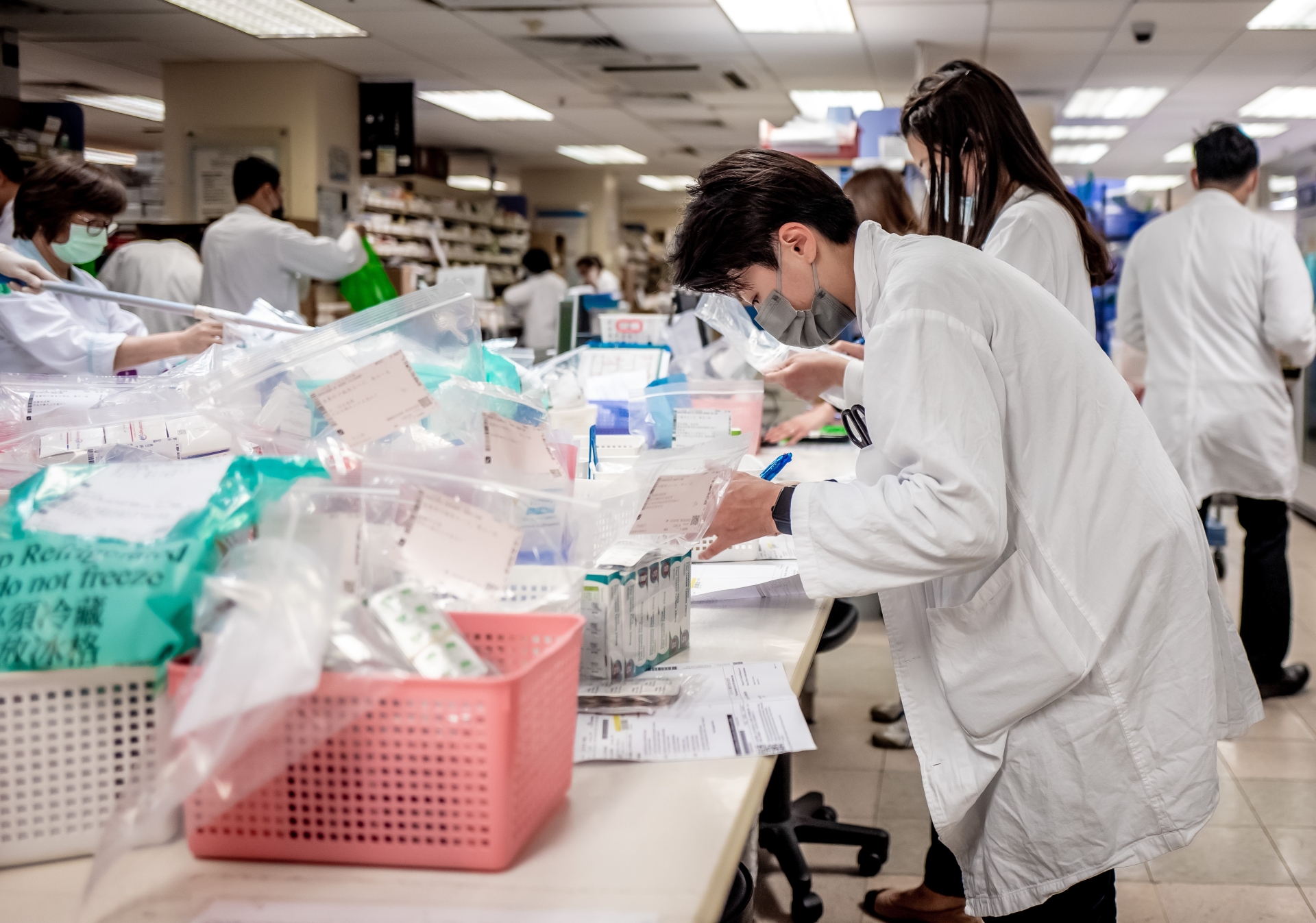
The Hospital Authority (HA) established the Office for Introducing Innovative Drugs and Medical Devices (the Office), proactively recommending the introduction of new drugs to the Department of Health (DH), offering patients more choices. The approval time for the registration of new drugs will be significantly shortened from current 150 working days under the '1+' mechanism to 100 working days. In its initial phase, the Office plans to introduce cancer treatment drugs with an aim to include them in the HA Drug Formulary as early as the end of the year. In addition, the Office proactively introduces innovative medical devices, enhancing the quality of patient care. William Chui, Chief Pharmacist of the HA, says the establishment of the Office represents a mutually beneficial outcome for patients, healthcare professionals, and the HA.
Under the DH's '1+' mechanism, a new drug can submit application for registration in Hong Kong if it provides local clinical data recognised by the local expert and is already approved by one reference drug regulatory authority. The Office goes a further step to accelerate this process by submitting potential, unregistered drugs to the Assessment Panel of the Office, and then recommends them to the DH via 'Priority Review Pathway'.
Parallel evaluation to expedite the process
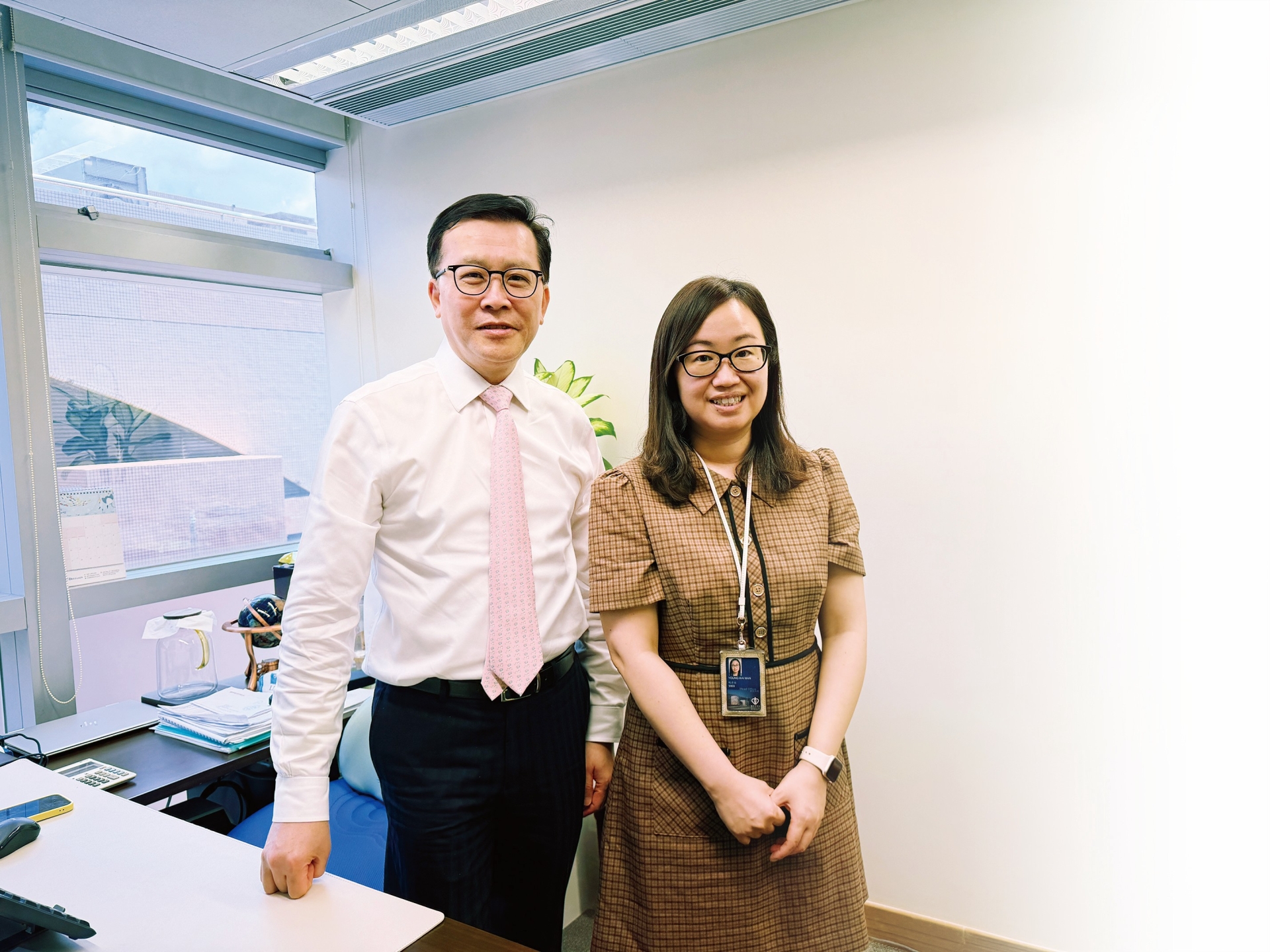
William states, "to save time, we will reach out to negotiate drug pricing with concerned pharmaceutical companies while the DH is reviewing the applications for drug registration. Once the new drug is approved for registration in Hong Kong, it can be submitted to the Drug Advisory Committee for listing on the Drug Formulary as soon as possible, allowing patients to receive timely treatment." He explains that certain drugs listed on the Drug Formulary may not be effective for all patients. By proactively recommending the new drugs, the Office can address unmet medical needs, provide doctors with more drug treatment options, and introduce competition to increase bargaining power, ensuring the sustainability of the healthcare system. It creates a win-win-win situation.
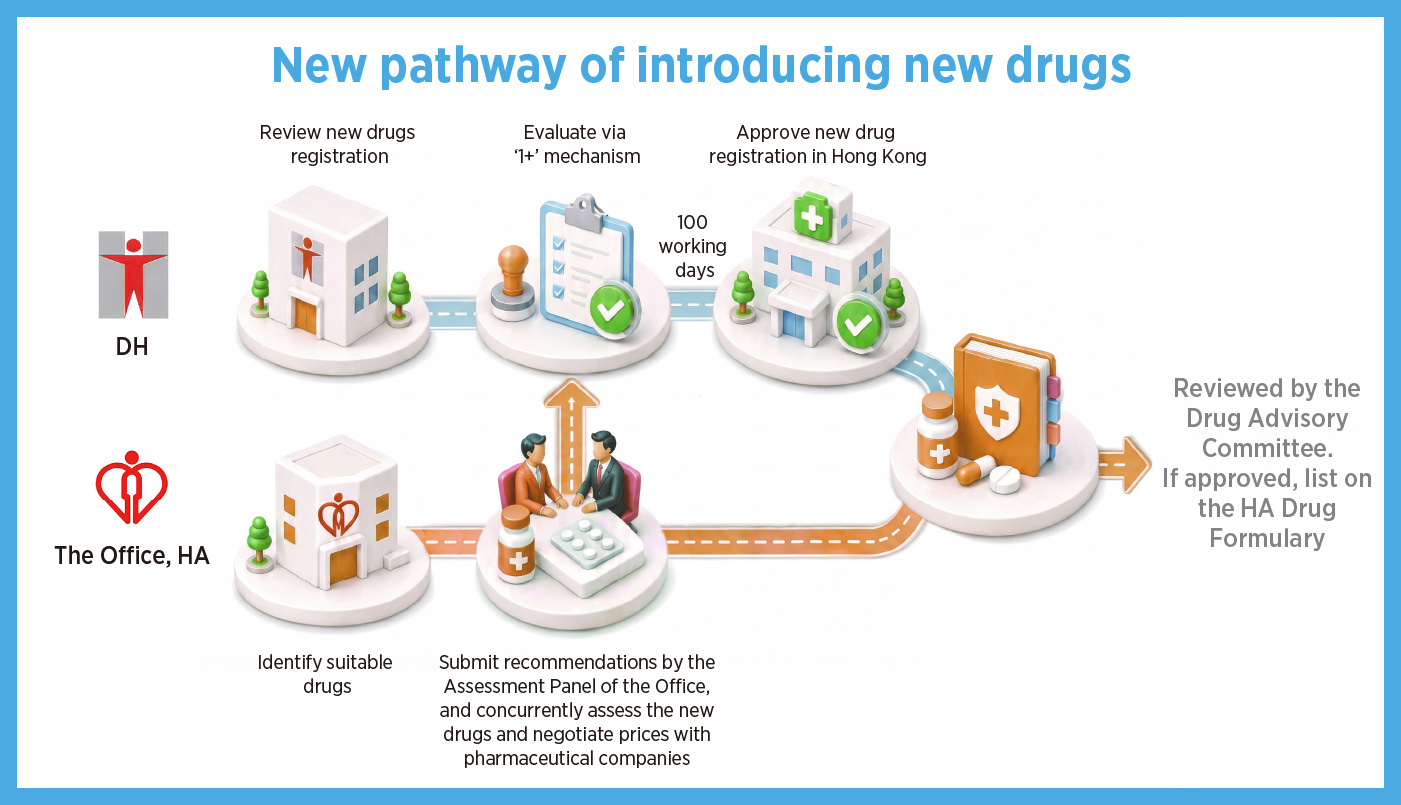
William emphasises that the innovative drug introduction process is open and transparent. The Assessment Panel comprises clinical specialists, health economists, and clinical pharmacologists, etc. The Office will make its recommendations based on feedback from doctors and patients, as well as clinical trial results, and information provided by pharmaceutical companies.
Grace Young, Senior Pharmacist of the HA, elaborates that the Office intends to focus on cancer treatment drugs at the initial phase: "We are working in two main directions. First, targeting the most common cancers in Hong Kong, so that more patients can benefit from the innovative drugs. Second, introducing innovative drugs from overseas for cancers that currently have no treatment options in the existing Drug Formulary." She mentions that the pharmaceutical companies' response to the establishment of the Office is positive, with at least five international and Mainland pharmaceutical companies proactively to learn more about the new pathway of the Office.
Accelerating the introduction of innovative medical devices
Furthermore, the Office has greatly enhanced an assessment channel to interface with cutting-edge medical technologies available in the market, accelerating the introduction of suitable innovative medical devices, for example, equipment for diagnostic imaging, endoscopy, and operating theatres and sterilisation. Upon submission of relevant product information by manufacturers, the Office will proactively remind them to apply for a device listing under the Medical Device Administrative Control System with the DH, aligning with the government's upcoming legislative regulations on medical devices. Concurrently, the Office will conduct comprehensive evaluations of the new devices' safety, efficacy and cost-effectiveness, transforming medical devices aligned with patient's interests into viable and accessible clinical options and ultimately benefiting patients.