A closer look at Ebola disease
In May this year, an outbreak of Ebola disease caused by the Bundibugyo virus erupted in regions including the Democratic Republic of the Congo (DRC) and Uganda. As of June 30, the two regions have cumulatively recorded over 1,400 confirmed cases, resulting in approximately 400 deaths. In view of the severity of the epidemic, the World Health Organisation has designated it as public health emergency of international concern. Although no confirmed cases have been recorded in Hong Kong to date, the Hospital Authority (HA) has fully implemented all-round prevention and control measures and contingency plan to safeguard public health.
What is Ebola disease?
Ebola disease was named after Ebola River, where the disease first appeared in DRC. It is a severe and acute viral illness with fatality rate of around 50%. The incubation period typically ranges from 2 to 21 days. Patients usually experience the sudden onset of fever, muscle pain, headache, and a sore throat. This is followed by vomiting, diarrhoea, rash, and impaired kidney and liver function. In some cases, both internal and external bleeding can occur.
How does Ebola disease spread?
The virus is initially transmitted to humans through close contact with the blood, secretions, organs, or other body fluids of infected animals. It then spreads within the community through human-to-human transmission. The primary modes of transmission include contact with the blood, secretions, organs, or other body fluids of infected people through broken skin or mucous membranes, or contact with environments or surfaces contaminated by the blood, secretions, organs, or other body fluids of infected people.
How to prevent Ebola disease?
Hong Kong has issued Red Outbound Travel Alert for DRC, urging citizens to avoid non-essential travel to the area. Since there is currently no registered vaccine for Ebola disease in Hong Kong, members of the public should maintain strict personal and environmental hygiene at all times to prevent infection.
- Keep hands clean regularly, especially before and after touching the mouth, nose, or eyes.
- Properly disinfect and cover wounds.
- Avoid contact with people with fever, ill peoples, or wild animals; never touch the blood, body fluids, or potentially contaminated items of an ill person.
- Food must be thoroughly cooked before consumption.
- When returning to Hong Kong, travellers who have visited affected areas should proactively declare their travel history to the Port Health Division officers of the Centre for Health Protection (CHP). If any suspicious symptoms develop, they should seek medical attention immediately and inform the doctor of their travel history.
What are the treatments for Ebola disease?
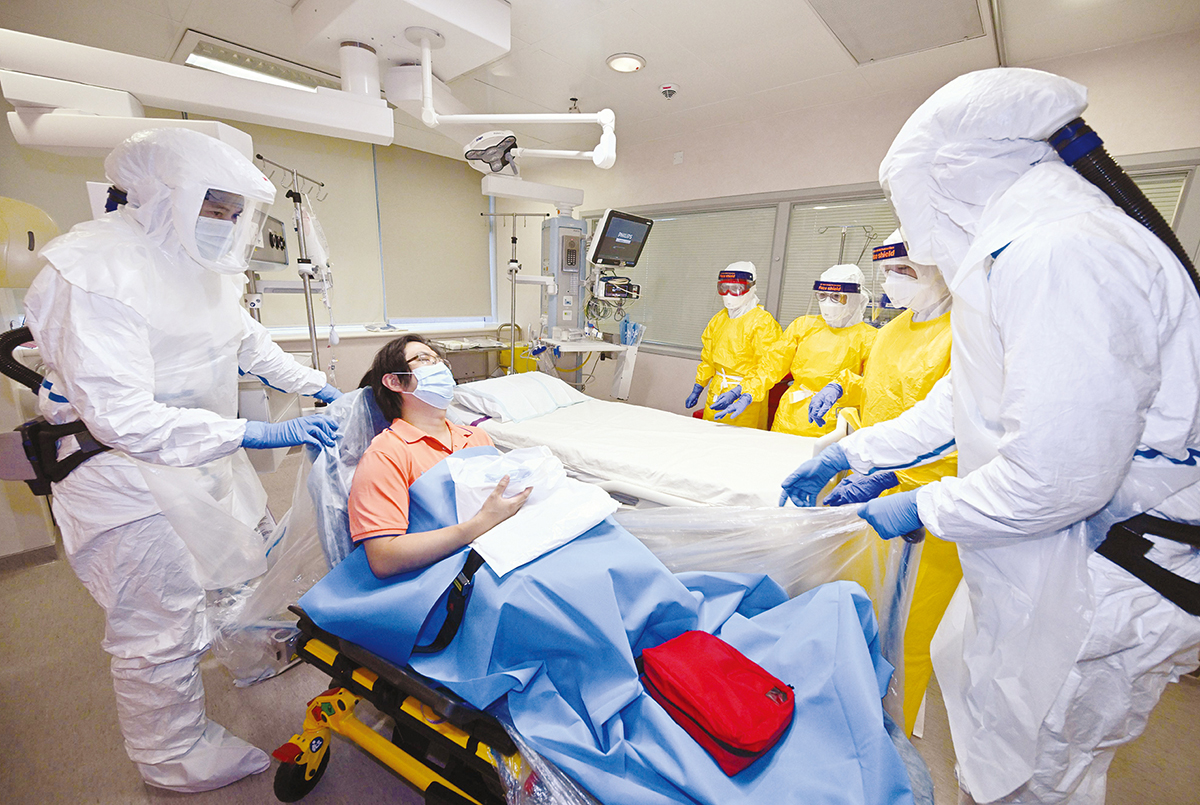
There is currently no registered drug for Ebola disease in Hong Kong. Patients must receive early symptomatic treatment, including oral or intravenous fluid replacement to relieve volume depletion. To prevent the transmission of the disease, patients must be managed in isolation facilities.
Transfer suspected cases to public hospital for isolation
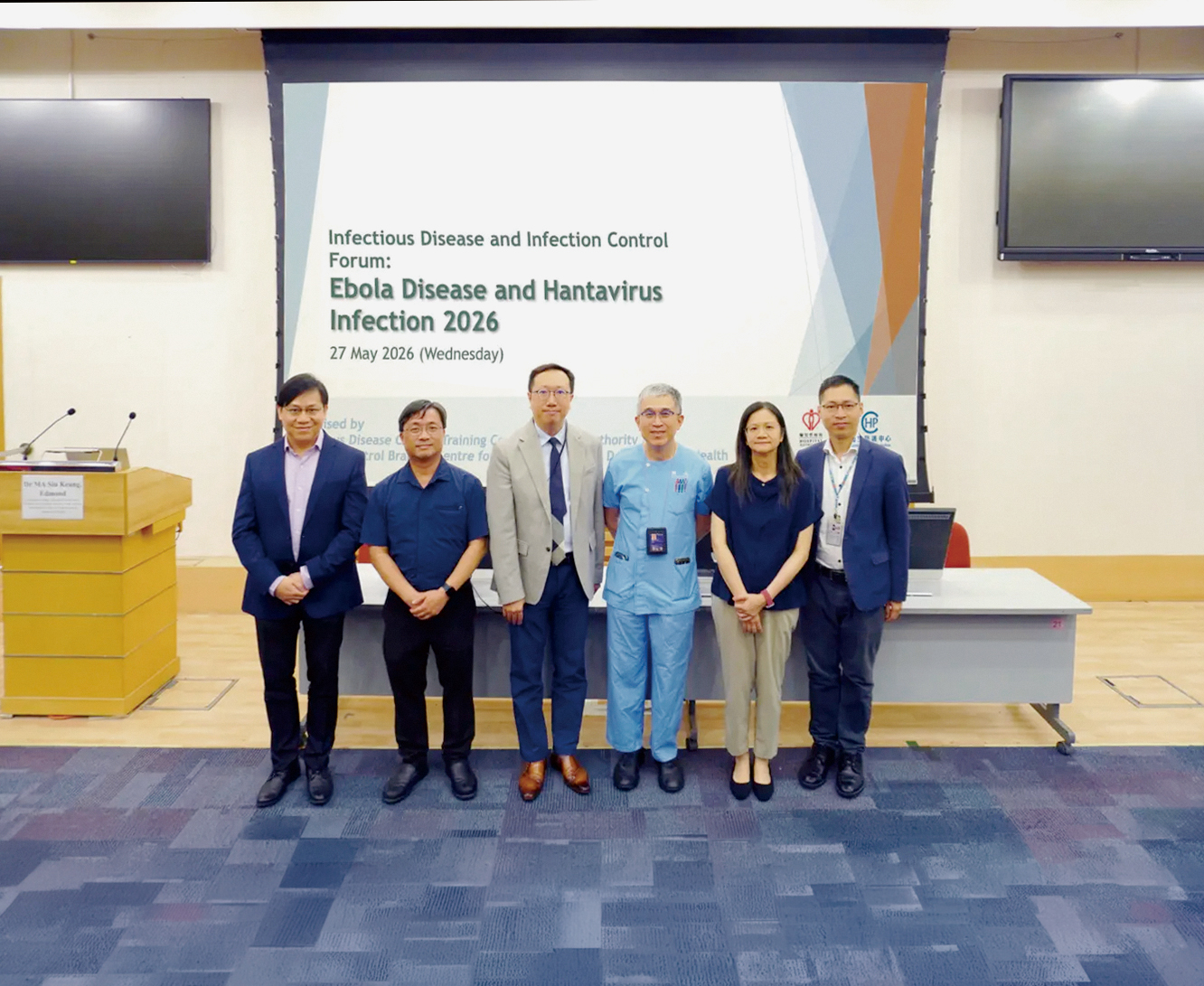
In response to the threat of Ebola disease, the HA maintains close communication with different government departments to monitor the epidemic situation in real time, ensuring that information is delivered accurately and promptly. If a suspected case is detected in the boundary control points, the individual will be immediately transferred to a public hospital for isolation and treatment. The HA has also updated clinical guidelines to prevent the spread of the disease within hospitals. Furthermore, training will be enhanced to ensure that frontline medical staff are familiar with the relevant procedures, including the donning and doffing of personal protective equipment, minimising the risk of infection and safeguarding public safety.