The path of rehabilitation on A Kung Kok Shan
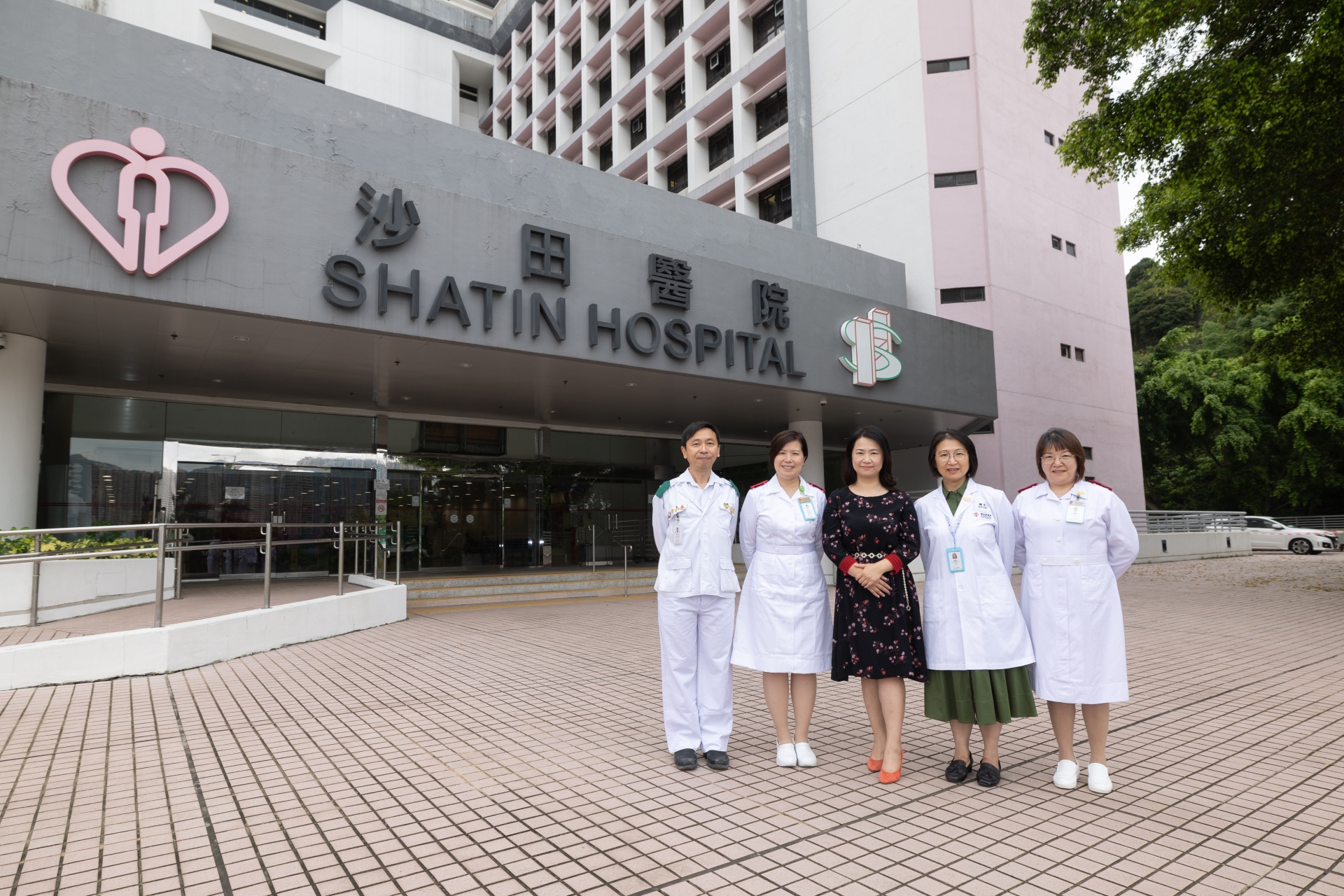
Shatin Hospital (SH) has been dedicated to developing rehabilitation services since its opening in 1991. An outreach rehabilitation team was established during the early days. "Seeing elderly patients with mobility issues enduring long and exhausting journeys just for follow-up consultations, we decided to step out and bring our services directly into residential care homes," shares Tsang Ka-wai, Ward Manager (Palliative Care), who has worked at SH for over 30 years. "Back then, our outreach team covered areas from Tai Wai all the way to Sam Mun Tsai in Tai Po. We would carry bags of gear in both hands, sometimes even bringing equipment such as blood-taking tools and electrocardiogram devices between different residential care homes." Since warning systems like Black Rainstorm Warning or Very Hot Weather Warning were not in place at the time, colleagues, even those who were pregnant, braved adverse weather on the rugged roads.
The first-generation of telehealth
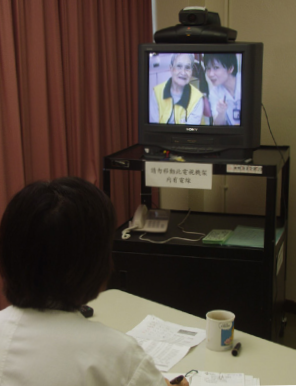
As outreach services matured, the team began exploring how to use technology to break down geographical barriers. Kenny Ip, Senior Occupational Therapist (Occupational Therapy Department) recalls, "in 1998, smartphones didn't exist yet. But SH was already a step ahead, setting up the first-generation telehealth equipment to conduct remote consultations and prescribe medication for elderly residents at residential care homes." This innovative service not only boosted efficiency but also reduced unnecessary hospital admissions. Furthermore, it allowed allied health professionals to remotely guide residential care home staff in helping the elderly with rehabilitation exercises and self-care training. Kenny adds, "we encourage the elderly to avoid prolonged bedrest, and sit up more often to participate in daily training, helping them regain independence and ultimately enhance their quality of life."
Restraint-free care preserves dignity
Prolonged bed rest weakens a patient's mobility, ultimately creating a vicious cycle. However, traditional care routines rely on physical restraints to prevent the elderly from falling and getting injured. Deputy Hospital Chief Executive Dr Maria Tang Wing-sze recalls a patient who once lamented that days in the hospital felt like being a 'caged bird'. The patient engaged in revenge eating immediately upon discharge, which triggered a flare-up of gout. This incident prompted Dr Tang to reflect on the downsides of physical restraints. SH launched the restraint-free initiative thereafter. By rearranging ward layouts and providing protective garments for patients, the hospital successfully created a safe and free environment for recovery. Department Operations Manager (Medicine & Geriatrics) Cheung Shuk-yee notes that a restraint-free environment increases patients' opportunities for physical activity while safeguarding their dignity and freedom. Today, this practice has become the standard protocol at SH.
Walking hand in hand with patients
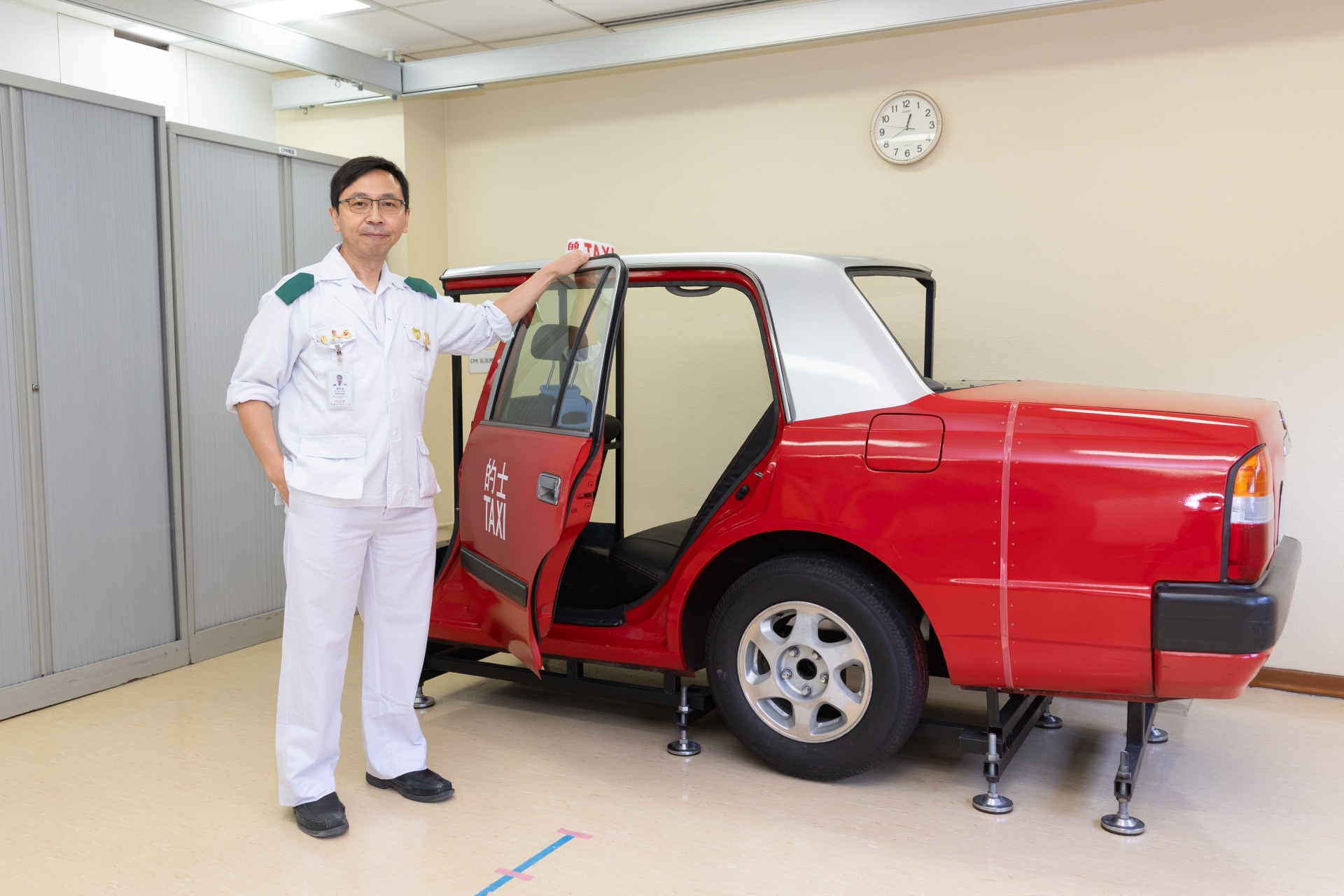
Having worked at SH for many years, Kenny has helped countless patients rise from the lowest points of their lives. He recalls there was a young man with half-body paralysis. When he first admitted to the ward, he completely refused to communicate with anyone. To get the patient to open up, Kenny used his favourite video games and interest in football as icebreakers to gradually build mutual trust. With the companionship and encouragement of the medical team, the young man began dedicating himself to rehabilitation. As he mastered controlling his wheelchair and receiving advanced training, he successfully joined the Hong Kong Wheelchair Fencing Team through a referral and went on to achieve brilliant results in major competitions, showcasing a remarkable transformation from despair to rebirth.
As SH's role evolves with the times, Hospital Chief Executive Dr Ada Yu concludes, "throughout this journey, we uphold an unwavering belief: Rehabilitation is not just about treating an illness or healing an injury, but about rebuilding a patient's hope."