HA's 35th anniversary: Did you know?

Since its establishment, the Hospital Authority (HA) has been steadfastly safeguarding the health of the Hong Kong people. As we celebrate the HA's 35th anniversary, we take a look back at the HA's journey of development and uncover some lesser-known historical moments of the HA in this edition of HASLink.
A hidden message in the gala dinner menu?
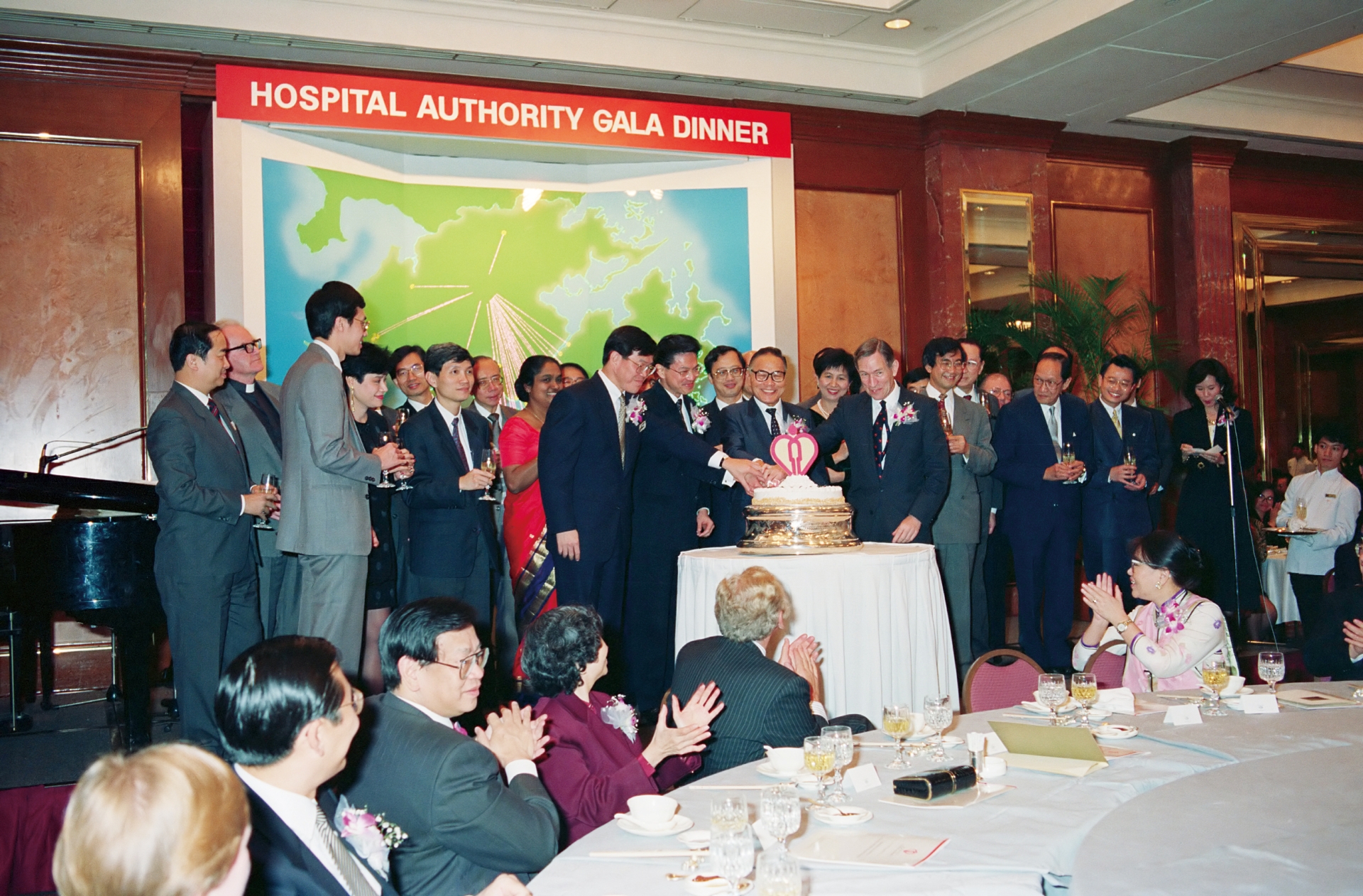
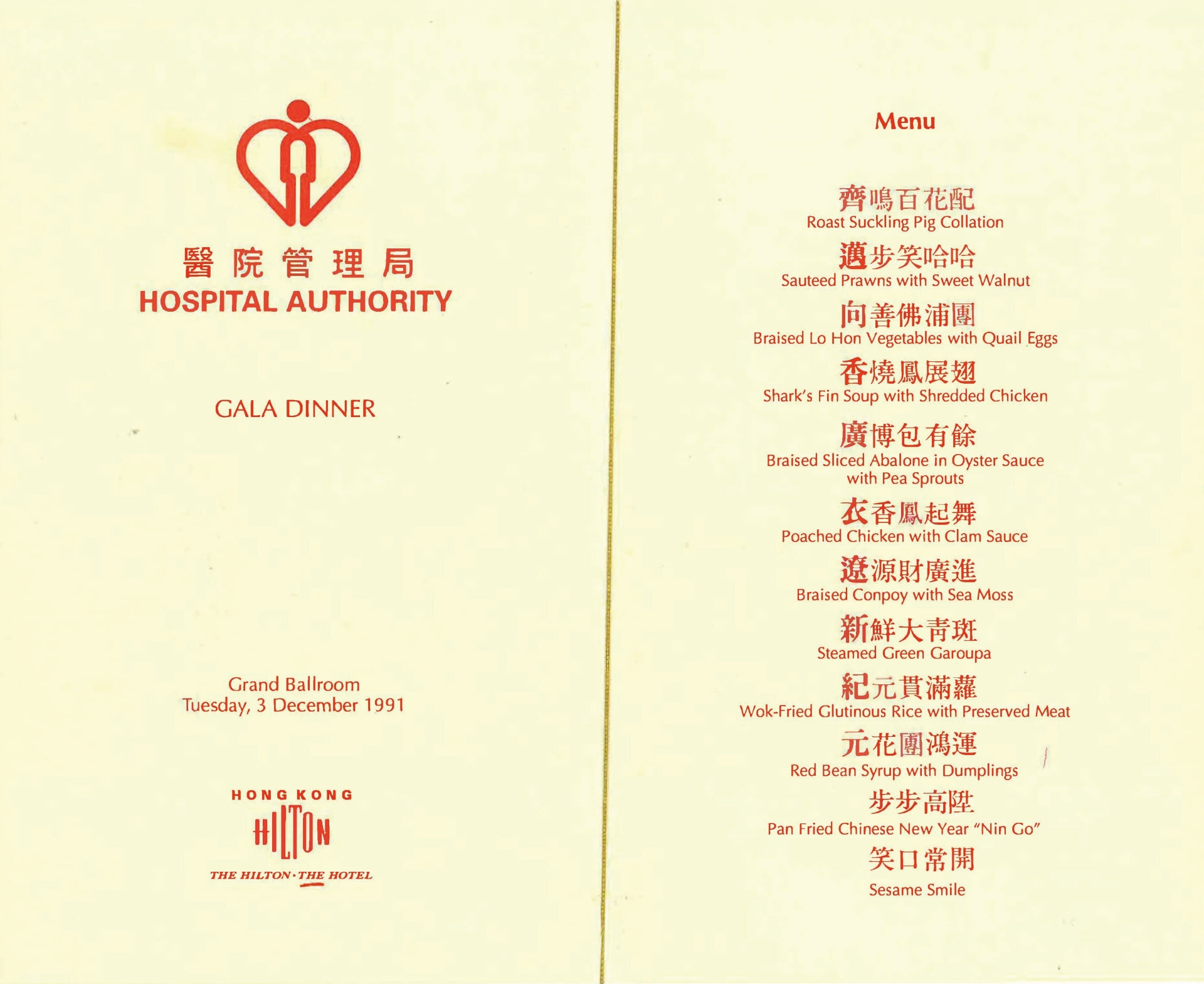
The HA was established in 1990 under the Hospital Authority Ordinance and officially took over the management of all public hospitals and related healthcare services in December 1991, turning a new page in Hong Kong's healthcare system. To mark the occasion, the HA held a ceremony on 3 December 1991 at Hong Kong Convention and Exhibition Centre, which was officiated by the then Governor, Sir David Wilson. The menu for that evening's gala dinner was crafted with an acrostic poem, where the first Chinese character of each dish combined to spell out 'A New Era of Public Hospital Services' - a testament to the hope for new milestone in Hong Kong's healthcare services. Over the past 35 years, the HA has developed into a vast and comprehensive public healthcare system, remaining dedicated in its commitment to safeguarding the health of everyone in Hong Kong.
HA logo: centred on 'humanity' and 'heart'
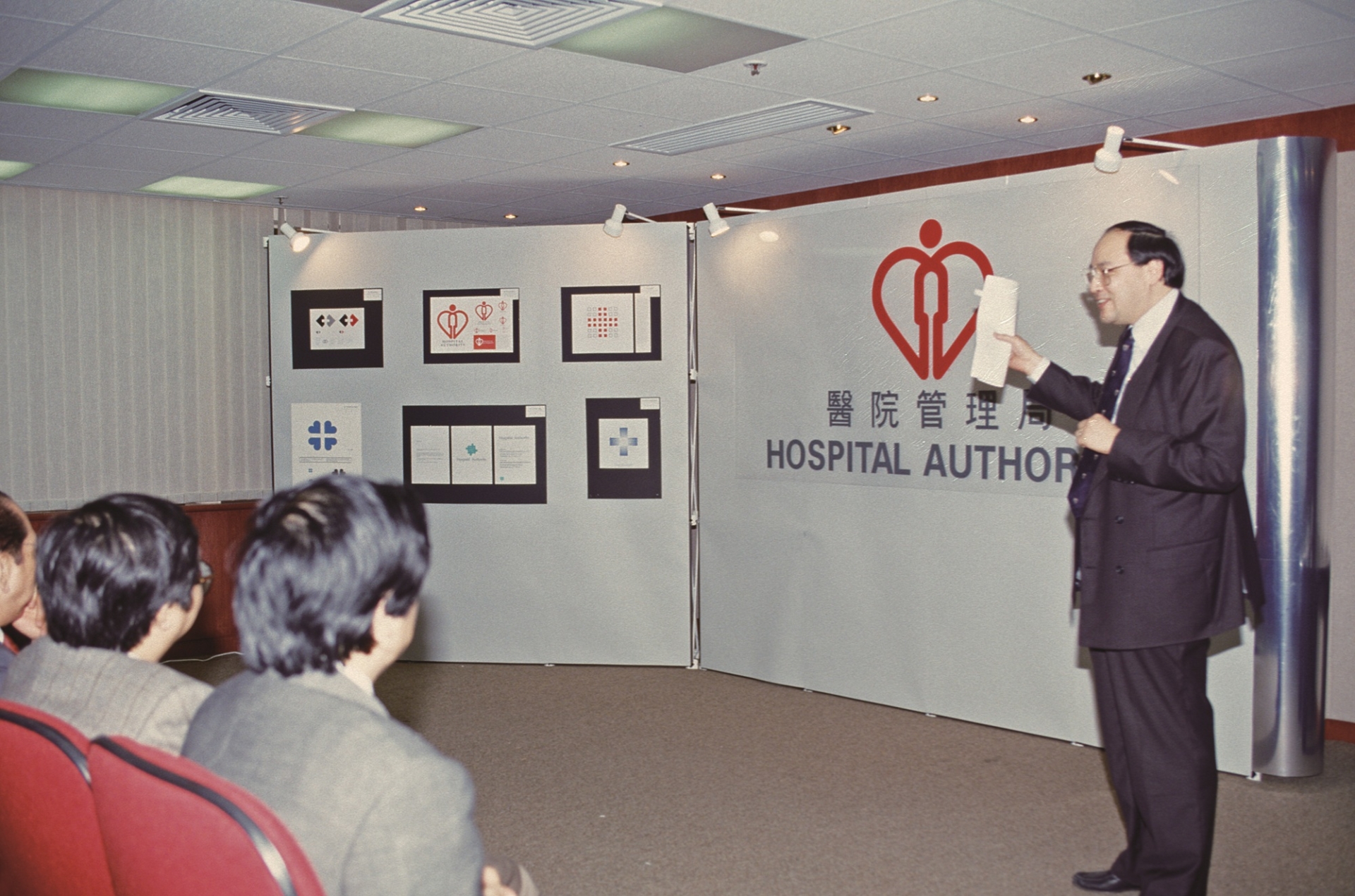

Before its official establishment, the HA organised a logo design competition to gather creative ideas from the public. Among more than 700 entries, the design by gift packaging designer Bosco Yip stood out. Bosco believed that whether medical staff or patients, people are at the heart of HA's services, so his design emphasised the human touch in medical services. The heart shape in the logo symbolises the care and love of the HA staff toward patients, while red was chosen because warm colours bring a feeling of brightness and comfort, breaking the public's cold impression of hospitals.
HASLink connects the HA and the staff
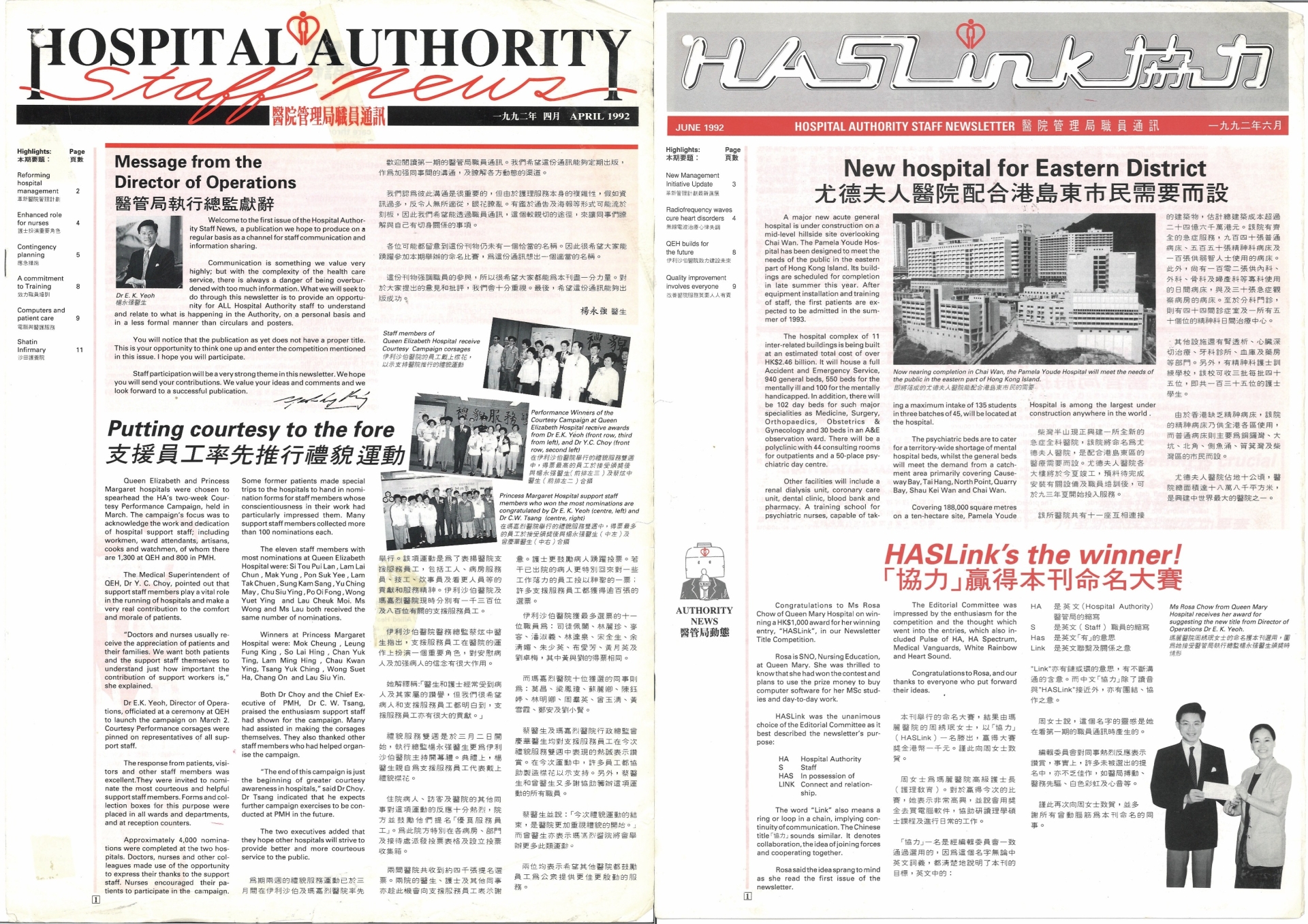
The first issue of the HA staff newsletter was published in April 1992, accompanied by a newsletter title competition for all colleagues. 'HASLink', proposed by Rosa Chow, the then Senior Nursing Officer (Nursing Education) at Queen Mary Hospital, won the top prize. The name 'HASLink' carries deep meaning: 'HAS' is an abbreviation of 'Hospital Authority' and 'staff', and signifies ownership; 'Link' means connection, representing the tight bond between the HA and its staff. The Chinese name is a near-homophone in English that carries the inspiring meaning of joining hands and pooling efforts. This meaningful title has been used since the second issue of HA staff newsletter, serving as a vital bridge for communication between the HA and its staff for decades.
Nursery school in a hospital

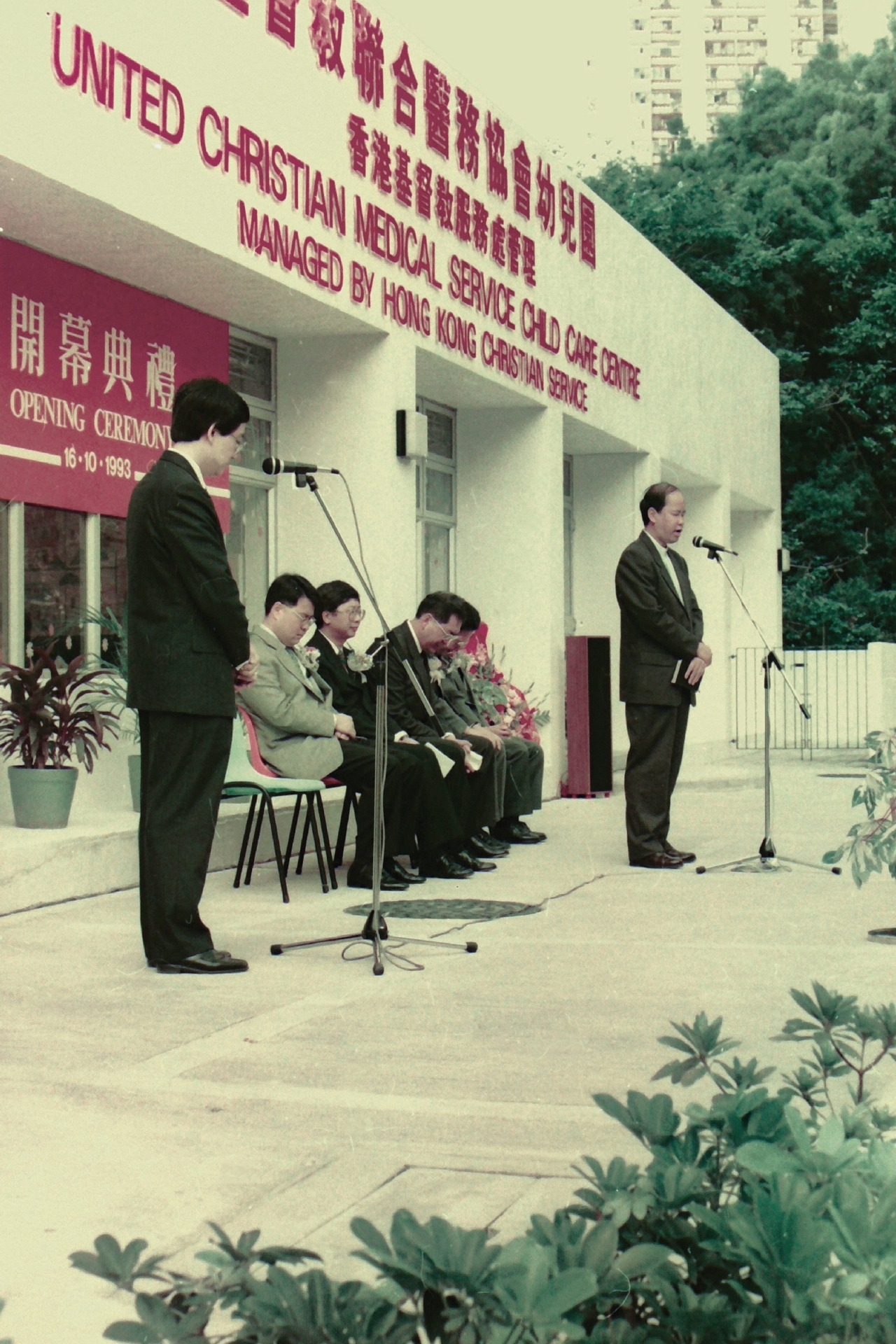
In the 1970s, United Christian Hospital (UCH) provided accommodation for staff and their families. To support staff in balancing their professional and family responsibilities, the hospital also offered child care services. These services were temporarily suspended in 1989 due to the hospital's expansion project.
In 1993, the United Christian Medical Service Child Care Centre resumed operation, becoming the first child care centre to be established within a HA hospital. Managed by the Hong Kong Christian Service, the centre not only serves the children of hospital staff but also caters for the needs of the wider community, open to children from the local community. It serves 60 children, with around equal numbers from hospital staff and the local community. Today, the centre has been renamed United Christian Medical Service Nursery School, located in Block J (Chen Kou Bun Building) of UCH. It embodies the hospital's enduring commitment to staff well-being and its culture of compassion, care, and community support.
Leaving paper records behind
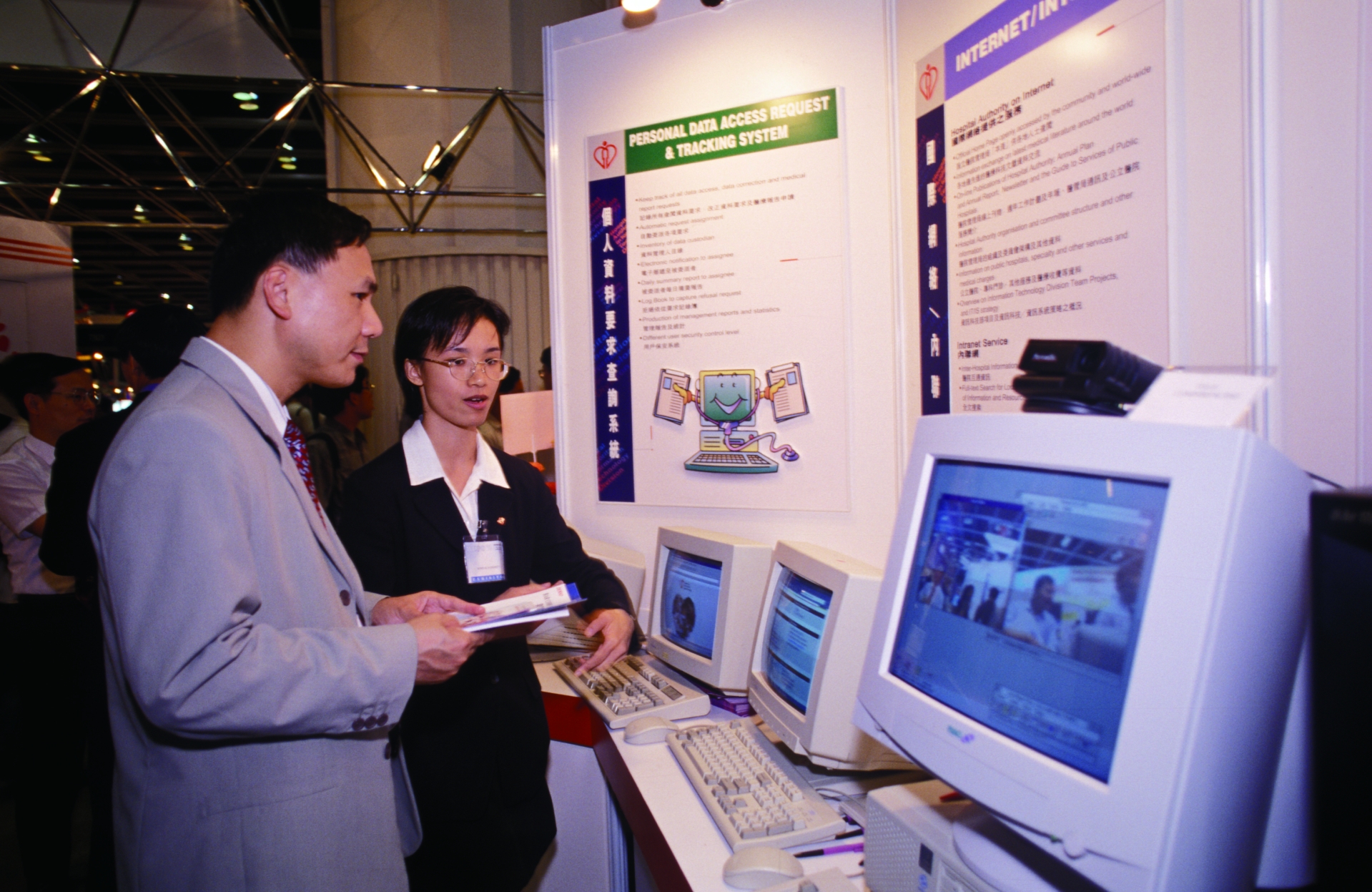
Following the establishment of the HA, the Information Technology/ Information Systems (IT/IS) Strategy was formulated to develop IT systems in phases from 1992 to 2000. It included the Integrated Patient Administration System introduced in 1992 to enhance patient care services; the Clinical Management System launched in 1996 across major acute hospitals to improve clinical efficiency; and the Electronic Patient Records System introduced in 2000 to integrate all HA information systems across public hospitals and institutions.
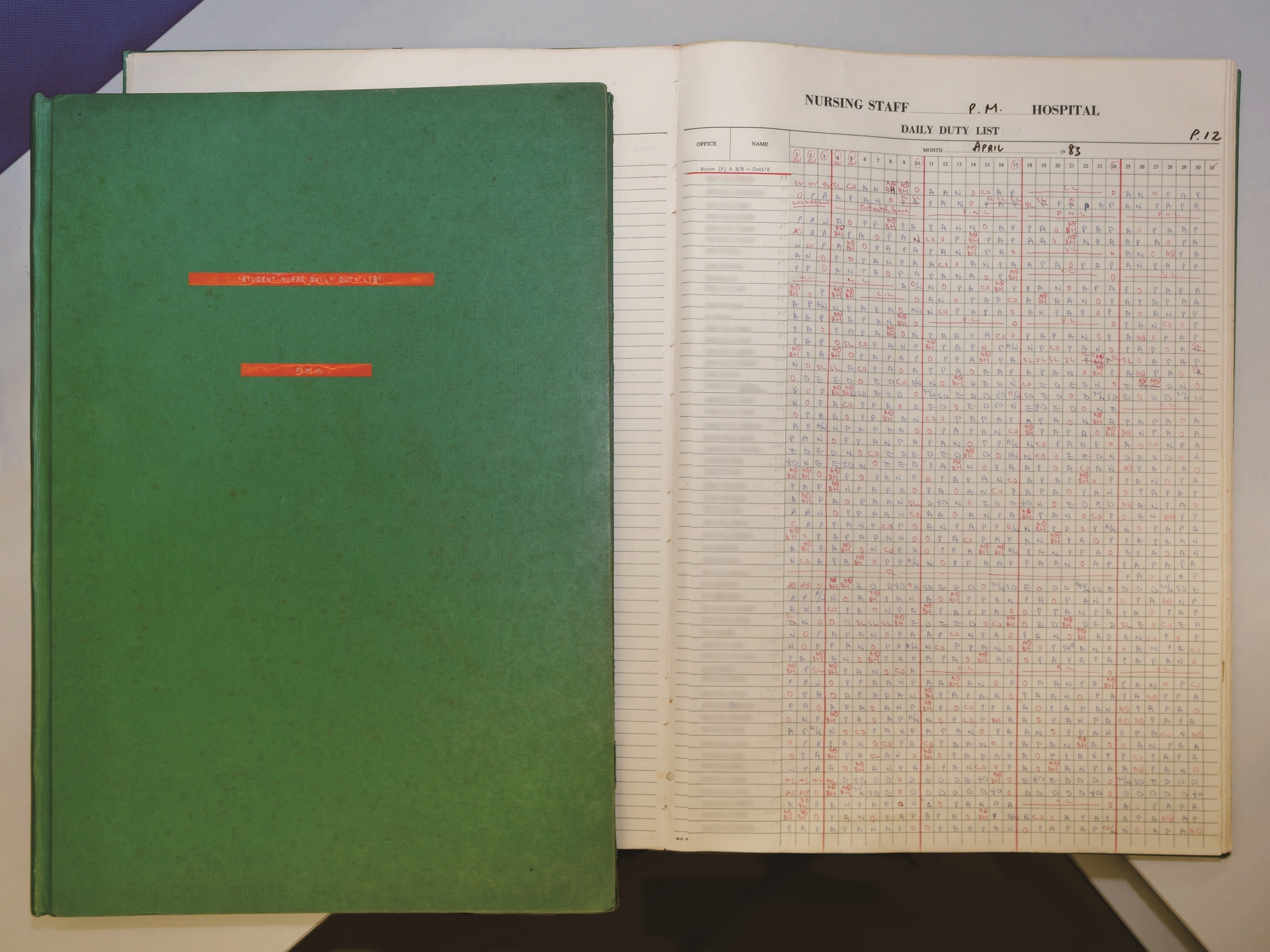
Before going digital, colleagues relied on paper records. Taking Princess Margaret Hospital (PMH) as an example, nursing staff and student nurses in the early days had to handwrite their duty rosters on ward duty lists, which were then consolidated by the Central Nursing Administration Office into the A2-sized daily duty list, sorted by rank, gender and surname for easier staff management and rotation. Philip Choi, former Cluster General Manager (Nursing) of the Kowloon West Cluster, vividly recalls, "at that time, administrative staff had to manually flip through the daily duty list to count manpower or locate employees - a tedious and time-consuming process. Therefore, the Staff Rostering System introduced by the HA was widely praised. It enabled different departments to use the system simultaneously, automatically collecting and analysing data to enhance efficiency in roster preparation and duty assignment. Some colleagues even joked that electronic records meant they no longer had to compare each other's handwriting!"
Step out of the hospital to mirror the real medical life in TV drama
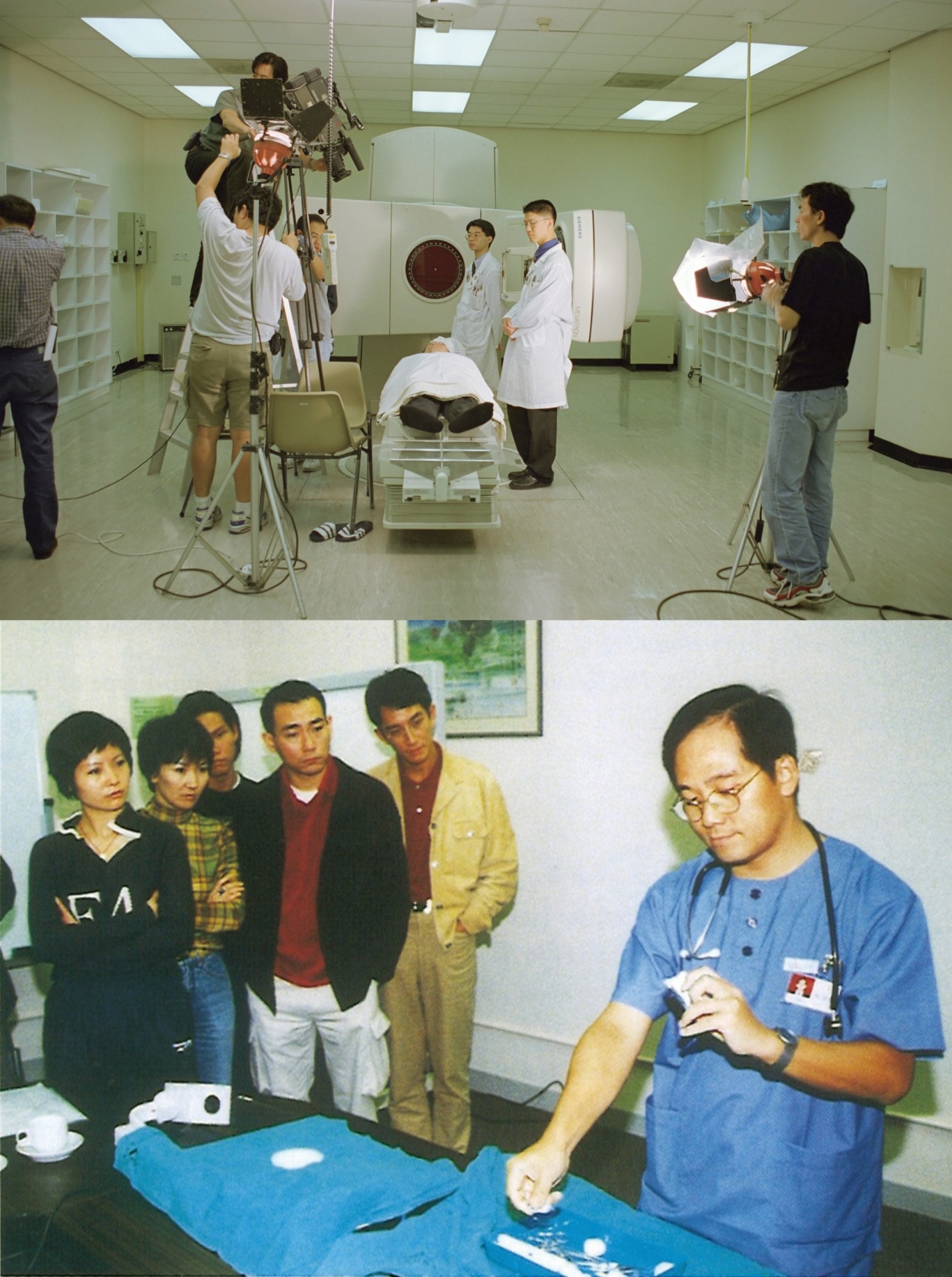
The TV drama Healing Hands, broadcast in 1998, is still regarded as one of the classic Hong Kong medical dramas. Its meticulous and realistic production, whether it is the depiction of medical cases or patient stories, mirrors real life. Behind the scenes, the HA colleagues played an indispensable role.
At that time, the HA specialist consultants contributed to the creation of medical cases in the drama, and medical teams voluntarily provided technical guidance and support to ensure the details were reasonable. In addition, the HA provided on-location shooting at hospitals without affecting patients, such as the Accident and Emergency (A&E) Department of Alice Ho Miu Ling Nethersole Hospital, which only offered daytime services, being used for shooting at night. This enabled the audience to vividly experience the hospital's operations through the TV screen.