KCH redevelops as 'therapeutic village': A new base for mental health recovery
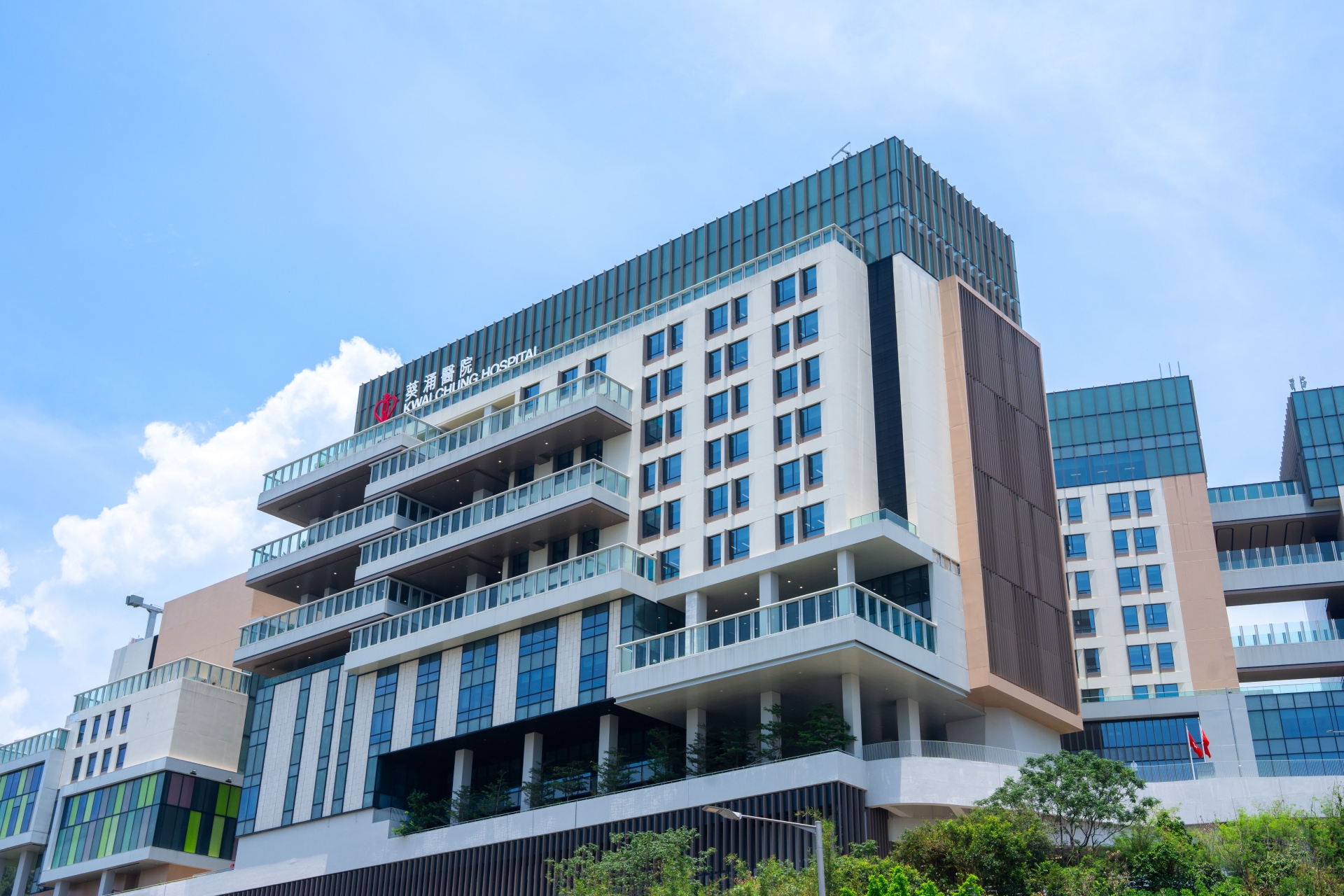
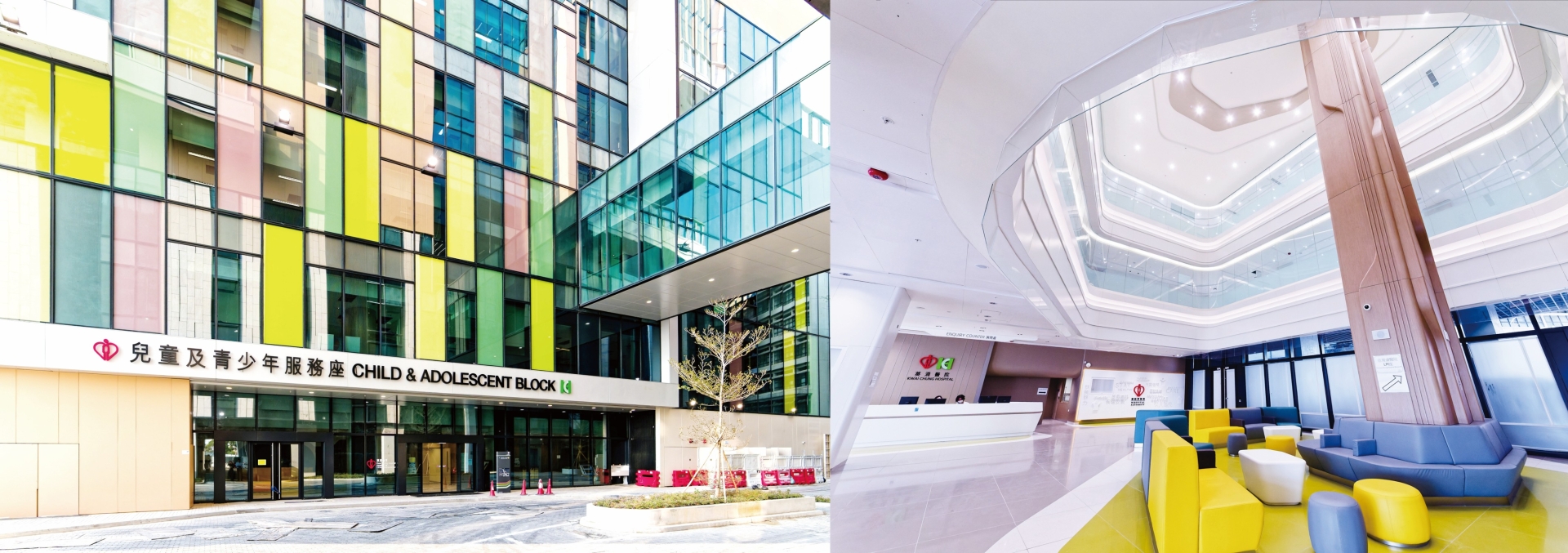
In the past 45 years, Kwai Chung Hospital (KCH) has been a companion to countless psychiatric patients on their journey of recovery and reintegration into the community. To keep pace with evolving psychiatric care, the hospital has undergone a comprehensive reconstruction and upgrade. With the concept of 'therapeutic village', KCH hopes to break the impression of psychiatric hospitals as closed and constrained. It creates an open, safe, and community-friendly environment. The new Main Block and Child and Adolescent Block together offer a total floor area more than 67% larger than before, creating spacious and comfortable recovery environment for patients and their carers. By offering diversified treatment plans and community support services, it helps patients gradually reintegrate into the society.
Dedicated patient elevators to protect privacy
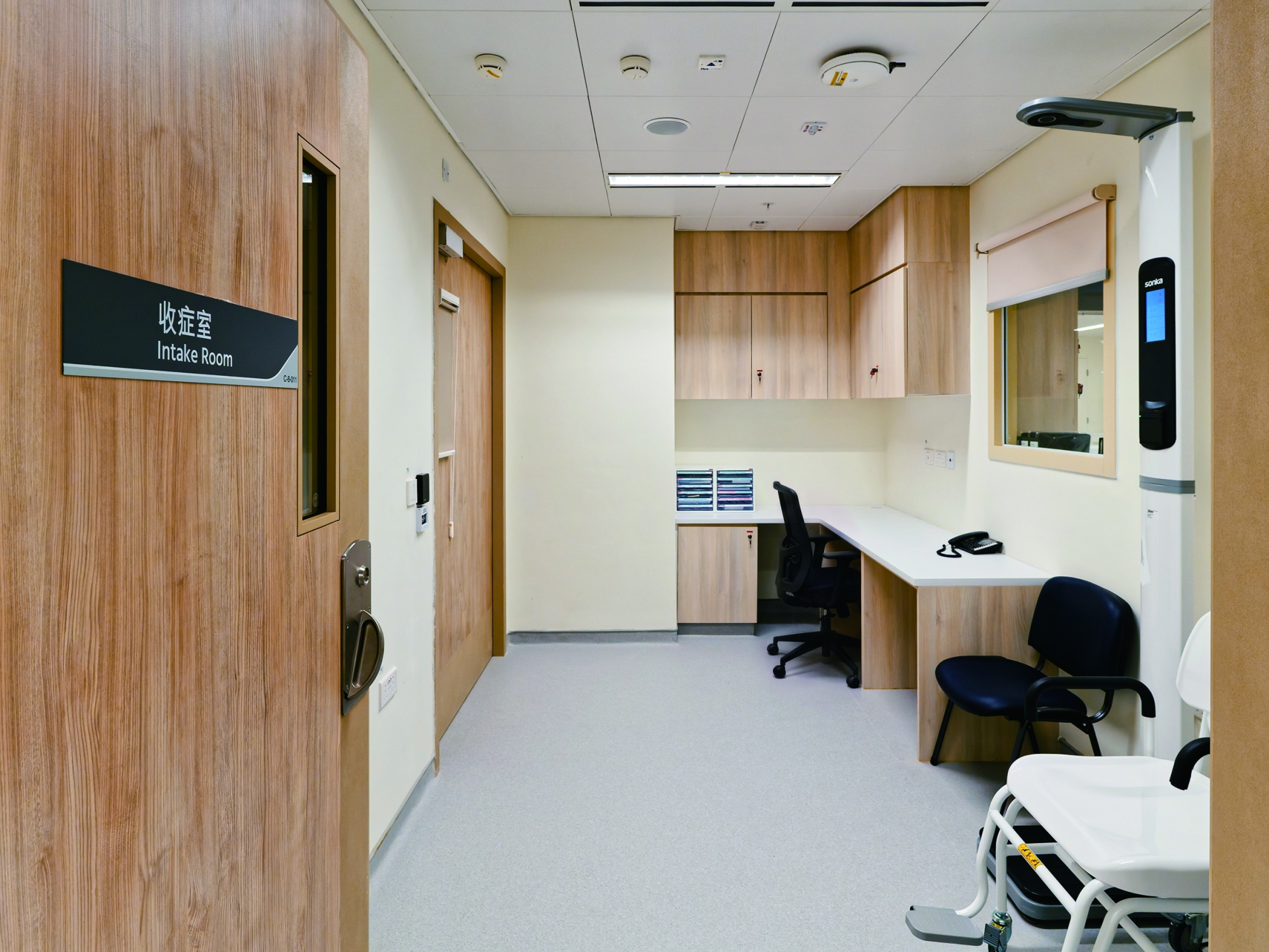
Previously, inpatients had to share elevators with visitors and staff. They had to cross public areas to reach the nurse station for admission, which may cause inconvenience for patients and carers. The new blocks feature dedicated patient elevators, enabling inpatients to access directly to the independent intake room for assessment. KCH Ward Manager Wong Kin-pong shares, "new facilities provide patients a safe and private environment. The healthcare team can also evaluate whether isolation is required, and arrange the patient to stay in a single room directly."
Integrated Day Recovery Service upgraded to support patient community reintegration
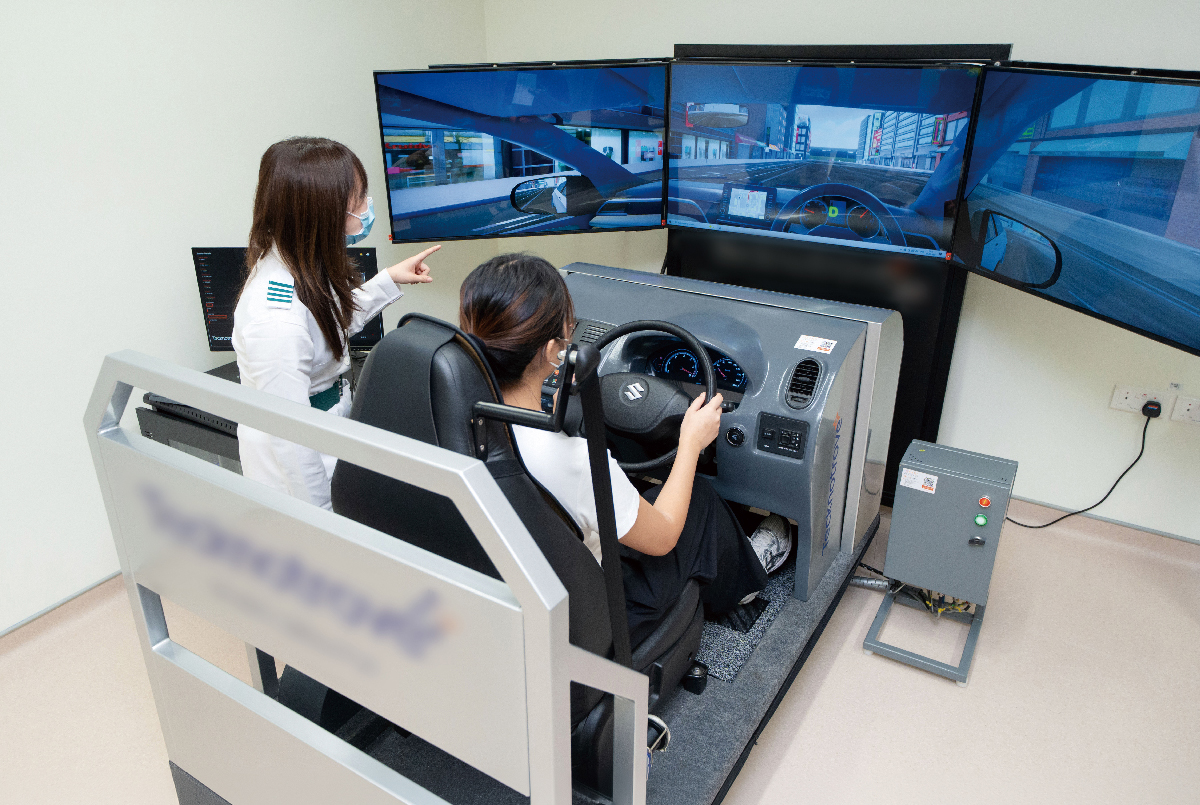
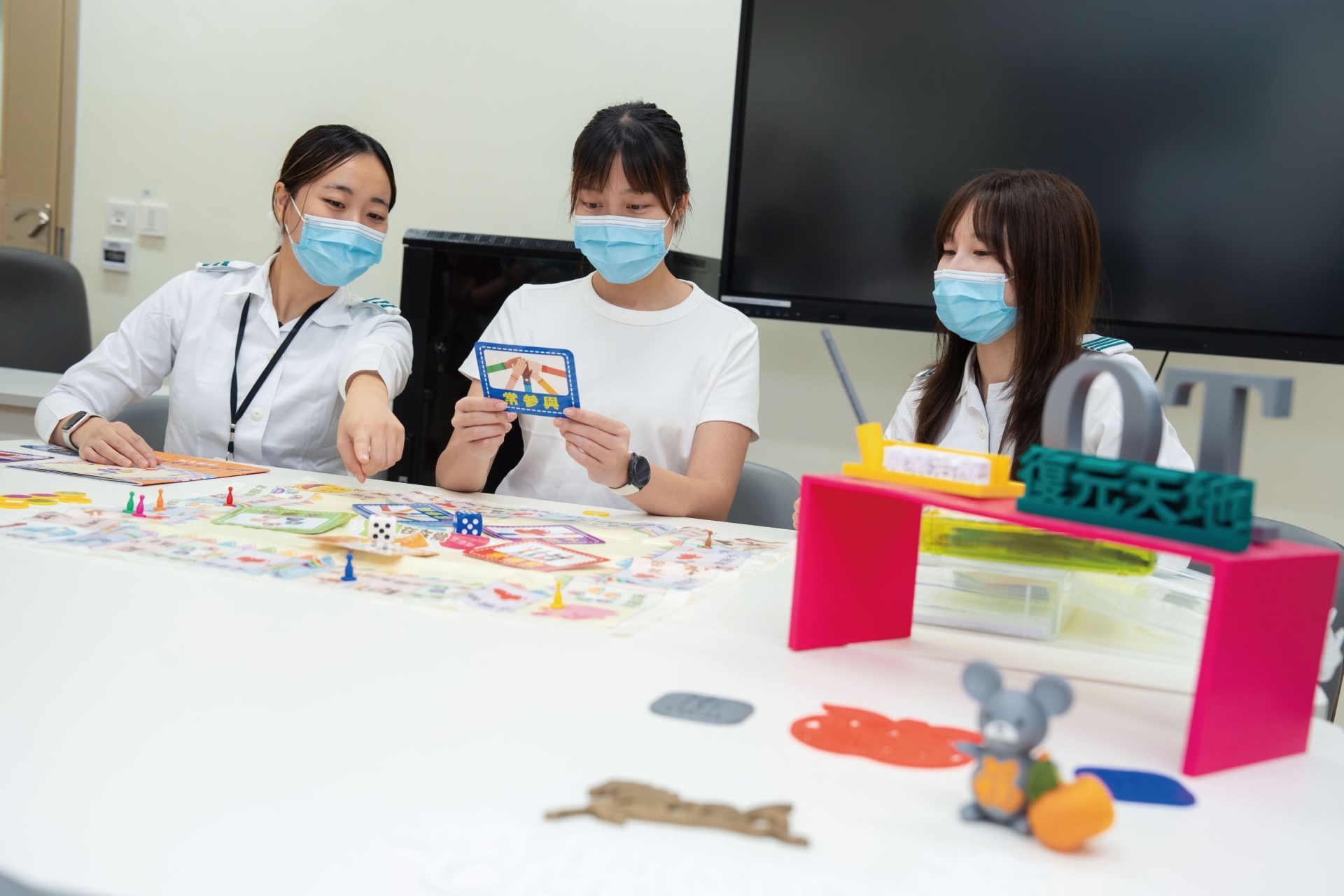
The upgraded Integrated Day Recovery Service enhances support for the person-in-recovery (PIR) through work skills assessments, supported employment services, life skills training, and recovery activities, including the introduction of a new 'Driving Ability Assessment and Training Simulation System', which allows PIR to undergo assessments and training for driving skills, reactions, and judgment in a safe environment. Additionally, the training and activity spaces have been expanded, in which the new 'Recovery Land' utilises group-based activities to enhance the daily life self-management and community participation of PIR. KCH Department Manager (Occupational Therapy) Menza Chu remarks, "we plan to expand logistics skills training to meet societal demands and carry out horticultural therapy activities, including hydroponics, continuously assisting PIR to restore their life rhythms and integrate into the community."
Enhanced ward facilities for better care
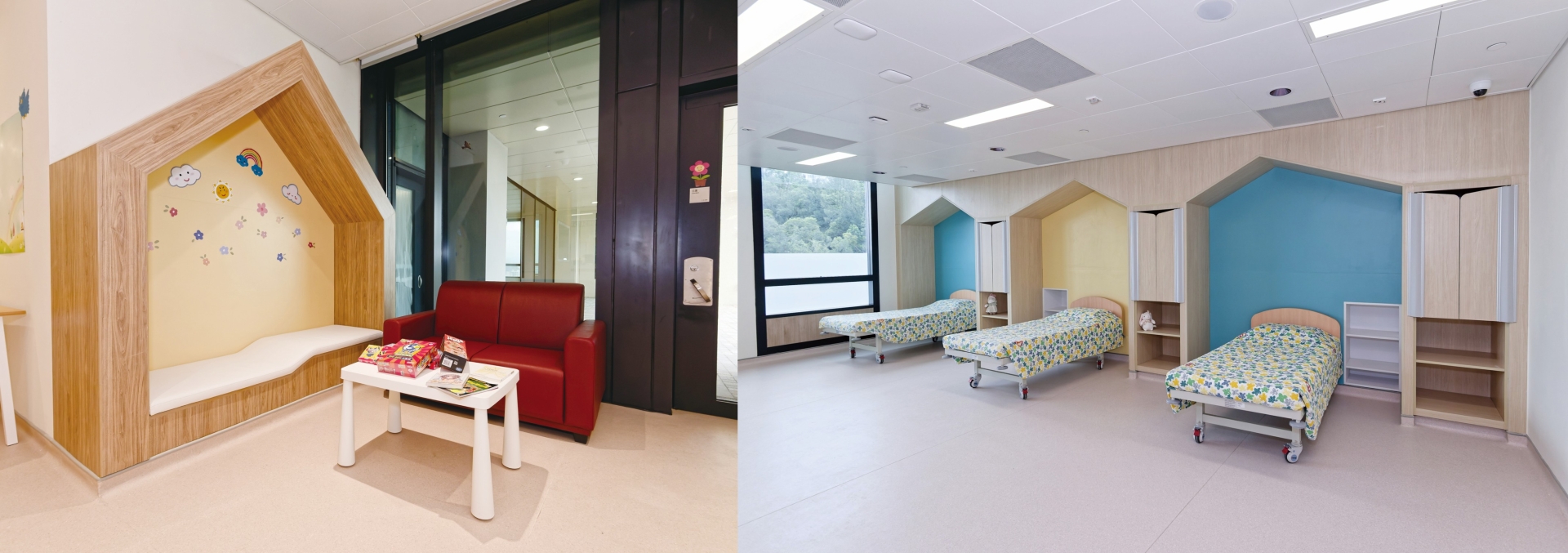
The new blocks provide a total of 1,000 psychiatric beds, arranged in six-bed and single rooms. Each dormitory is equipped with an en-suite bathroom and toilet, and the distance between beds is greater than before. The environment in the child and adolescent wards has been significantly improved, with patients assigned to wards according to their gender and age. KCH Department Operations Manager (Psychiatric) of Department of Psychiatric Subspecialties Lam Pik-hoi explains, "this arrangement enables our healthcare team to design more targeted treatment and care plans for patients across different age groups, reducing potential conflicts and clinical risks while enhancing overall treatment efficiency."
One-way mirror observation room helps parents reflect on parenting style
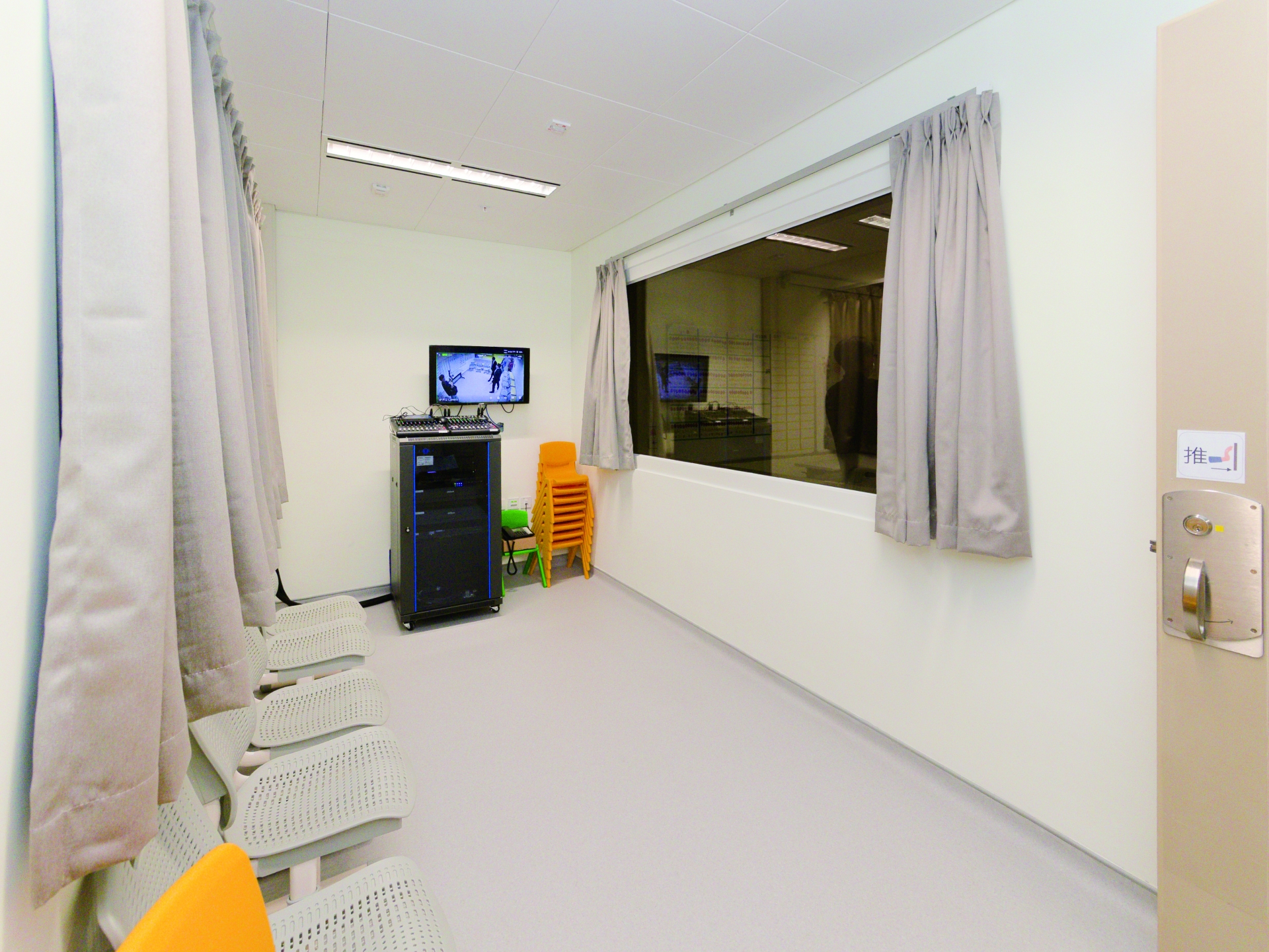
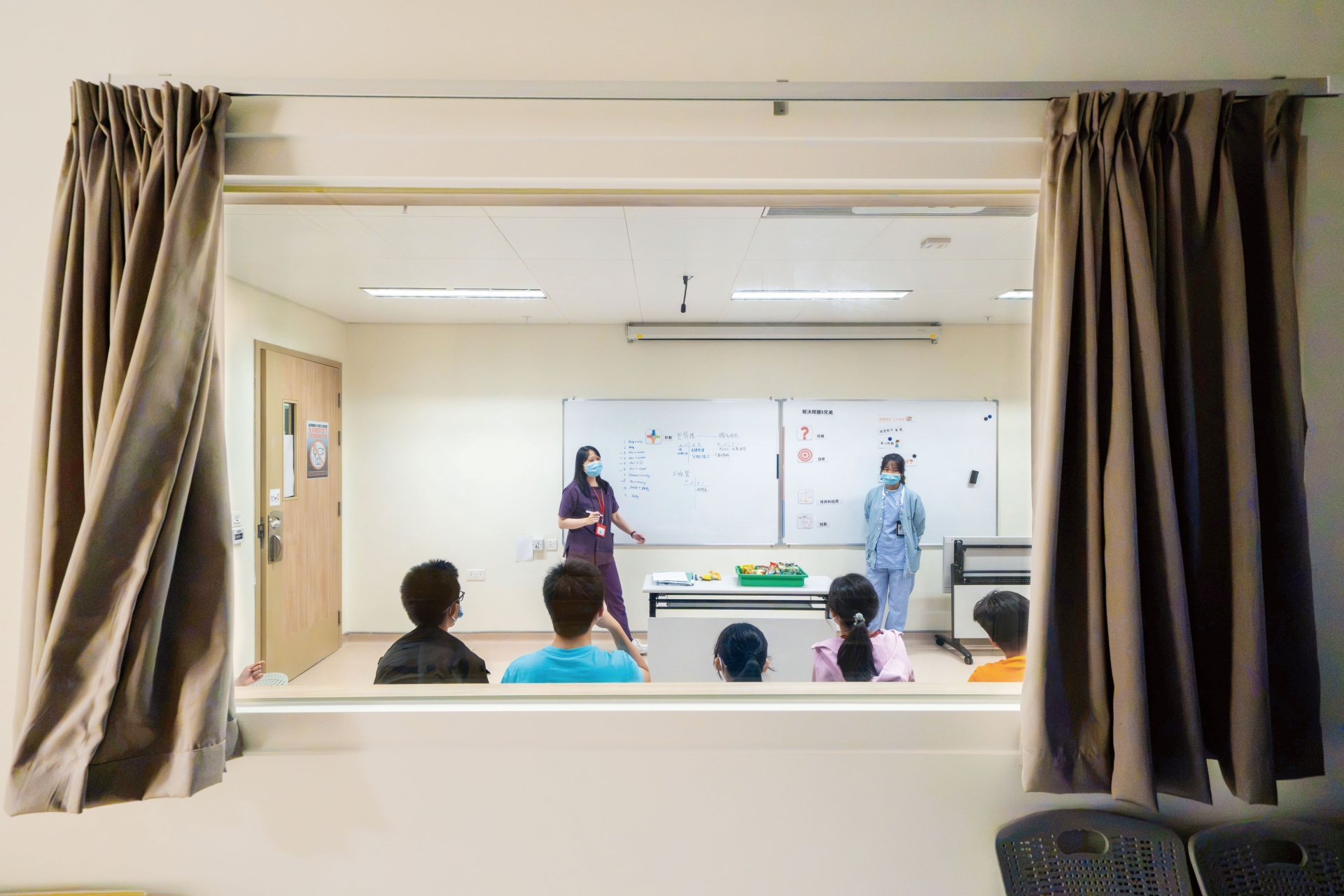
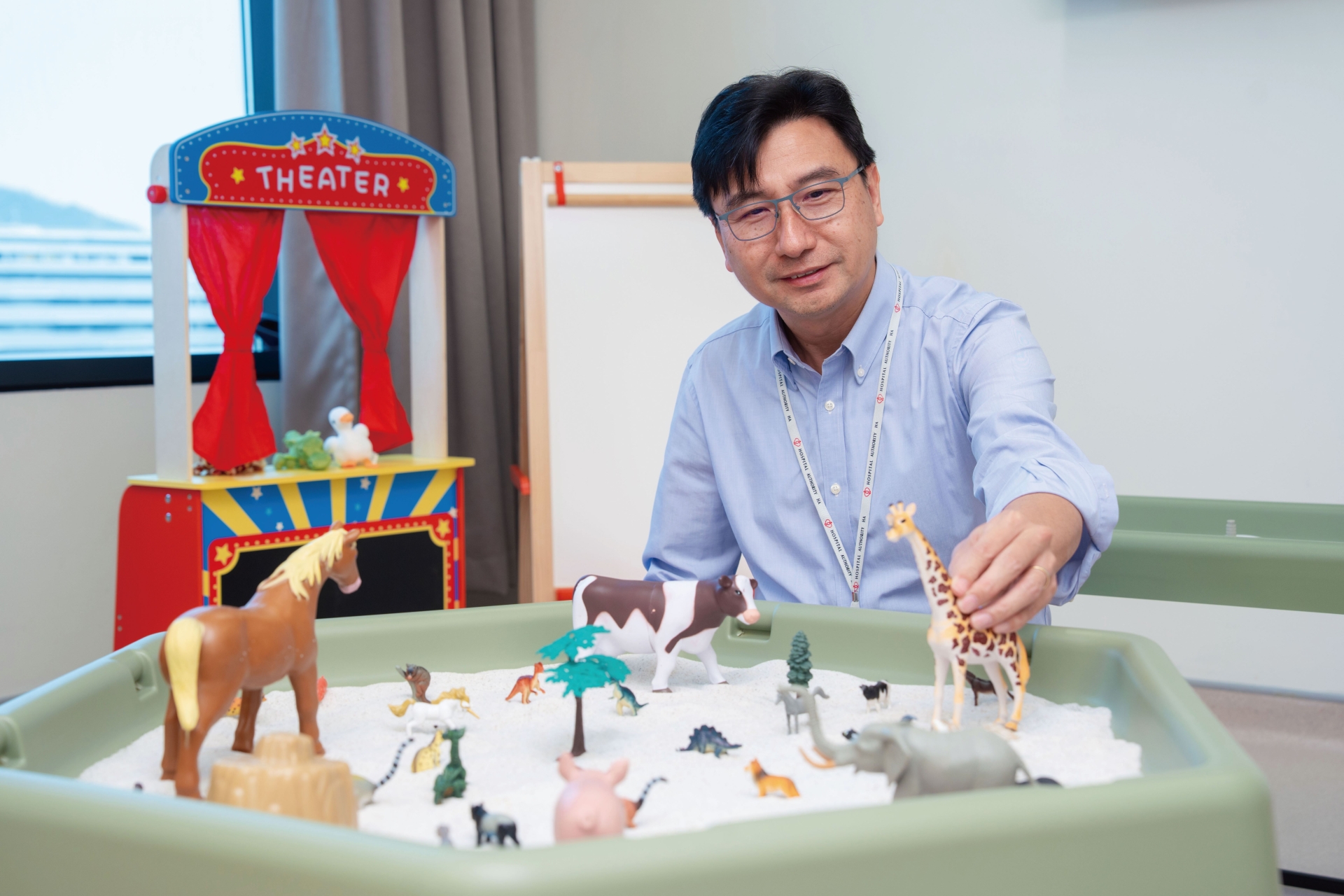
Located at the Child and Adolescent Block, the Child and Adolescent Integrated Day Hospital features spacious classrooms, a one-way mirror observation room, and a playroom. These facilities enable tailored training courses for patients and their families based on different mental health needs. Lam adds that those courses were previously held in multi-purpose activity rooms, which limited both participant numbers and course sessions. The new independent classrooms provide greater flexibility in scheduling courses and allow additional advanced training, further supporting the integration of children and adolescents into the community.
Cheche, whose child receives training at the day hospital, expresses that the new blocks are brighter and more spacious, which improves one's mood. The facilities are also more comprehensive. "I particularly like the one-way mirror observation room. When I joined the 'role reversal' course, I could observe how other parents interact with my kid, which made me reflect and adjust my own parenting style, greatly improving the relationship with my kid," she says.