PET Centre undergoes major revamp to enhance service
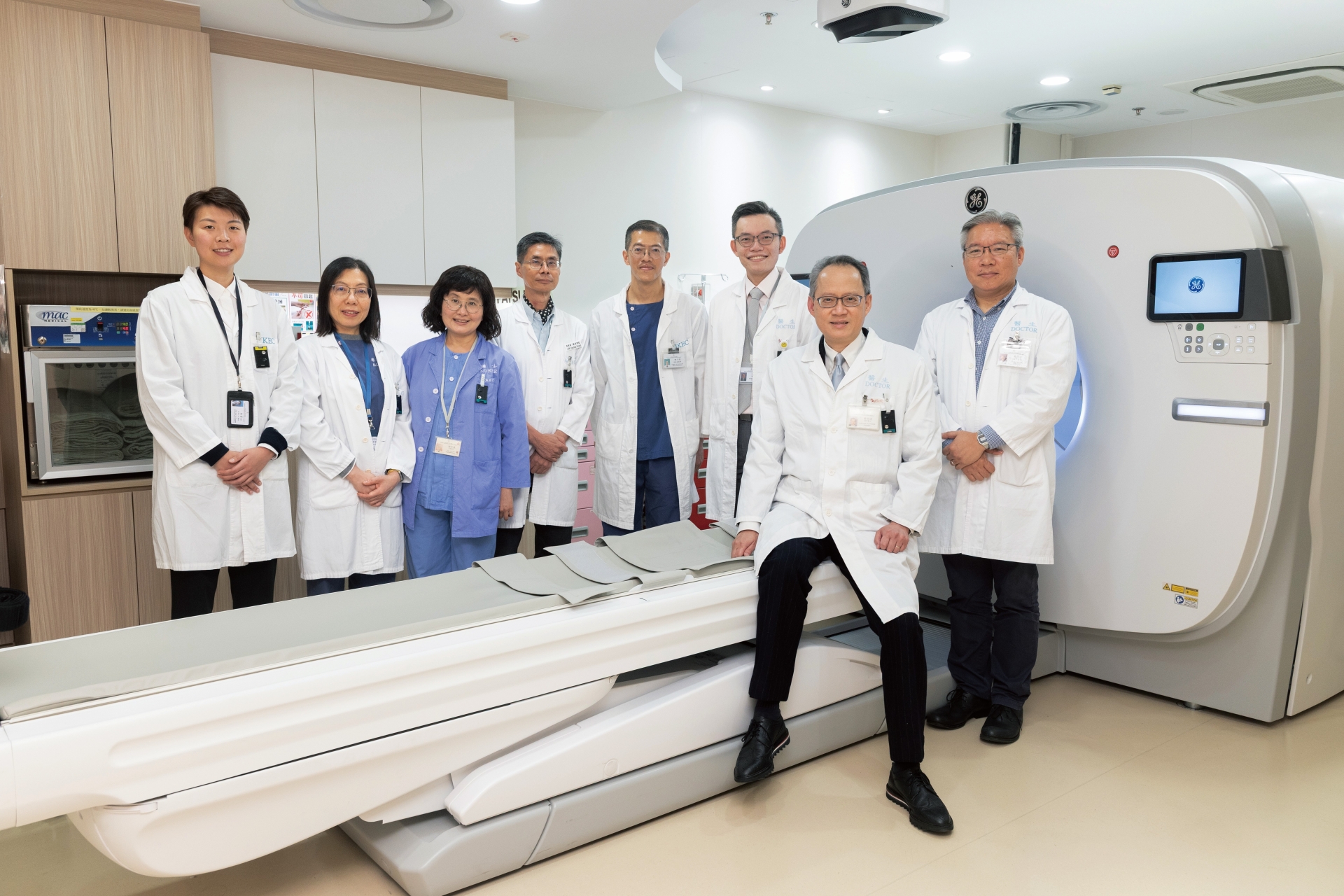
After several years of preparation and a comprehensive six-month renovation, the Positron Emission Tomography (PET) Centre under the Department of Nuclear Medicine at Pamela Youde Nethersole Eastern Hospital (PYNEH) recommenced service at the end of January this year. This project represents not merely a hardware upgrade, but also a significant enhancement of medical services achieved through the team's ingenuity within a confined space.
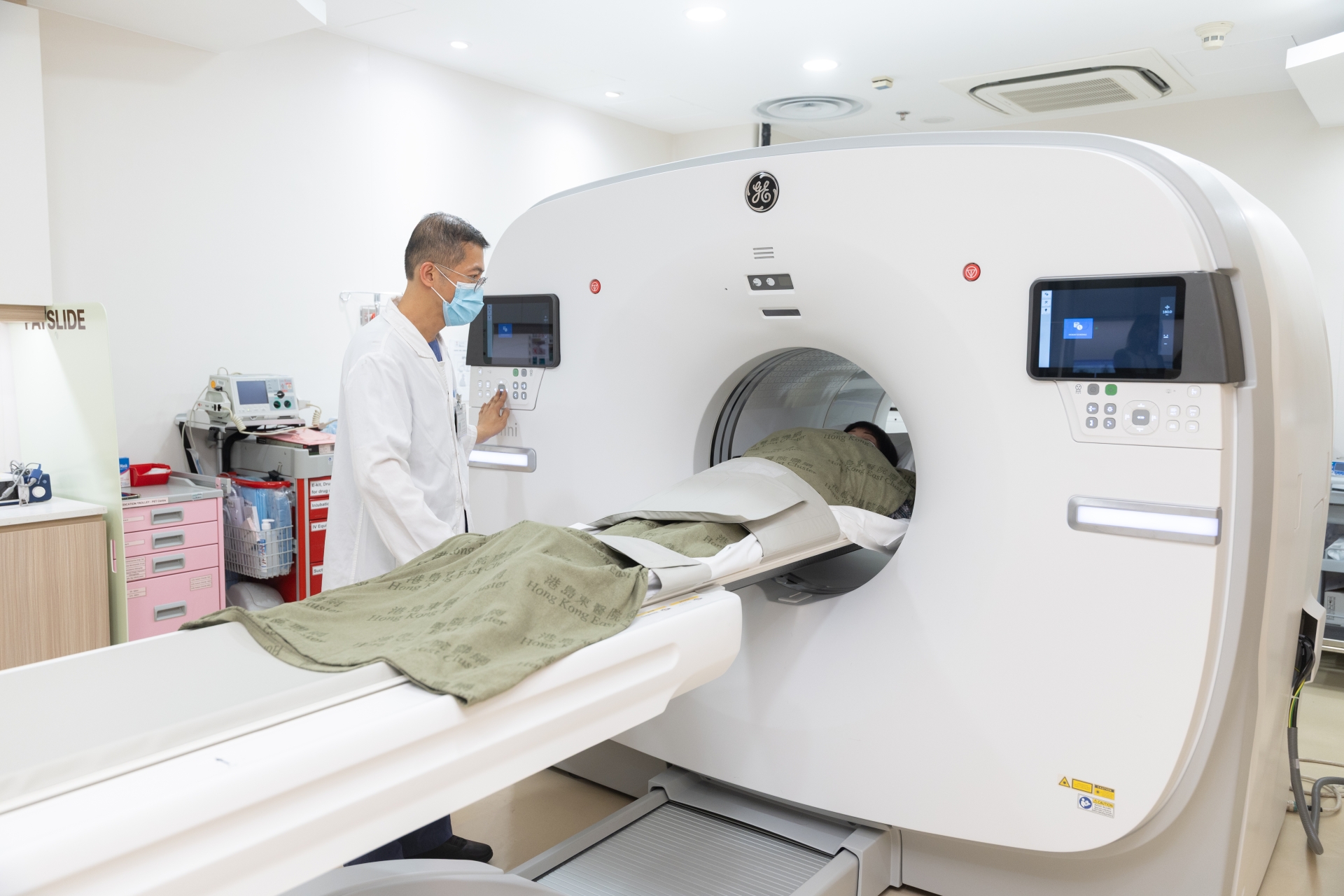
Since its commissioning in 2012, the centre's previous equipment had been in service for over a decade. To address the growing demand for PET-Computed Tomography (PET-CT) scan services, the team replaced the old scanner with the latest model available in Hong Kong. "Our greatest challenge was to carry out an ‘in-situ' replacement of the only one scanner we had, since cancer patients cannot wait and service suspension is not an option," states Dr Frankie Choi, the Deputising Consultant in-charge of the department. To overcome this, the team temporarily diverted patients to other hospitals during the renovation period. Colleagues had to work across different districts to perform scans for patients, even sacrificing their weekends, striving to maintain services to minimise the impact on patients.
Faster scans to handle increased service volume
The new PET-CT scanner significantly accelerates the scanning speed from over 16 minutes previously to just eight minutes, reducing each patient's scan time by half, while the required radiopharmaceutical dose can also be reduced simultaneously by a quarter. The new equipment integrates artificial intelligence for precise patient positioning, eliminating previously manual adjustment procedures. This results in a smoother and more efficient workflow and an improved patient experience.
To optimise efficiency with the new scanner, Dr Choi and his team meticulously redesigned the floor plan within a limited space, while strictly adhering to radiation protection and infection control standards. By reducing non-essential corridor space and shortening respective transit routes for patients, healthcare workers and radioactive substances, they not only streamlined service workflows, but also successfully doubled the number of patient rooms from four to eight, preparing for future increase in service demand.
Enhanced radiation protection facilities safeguard staff safety
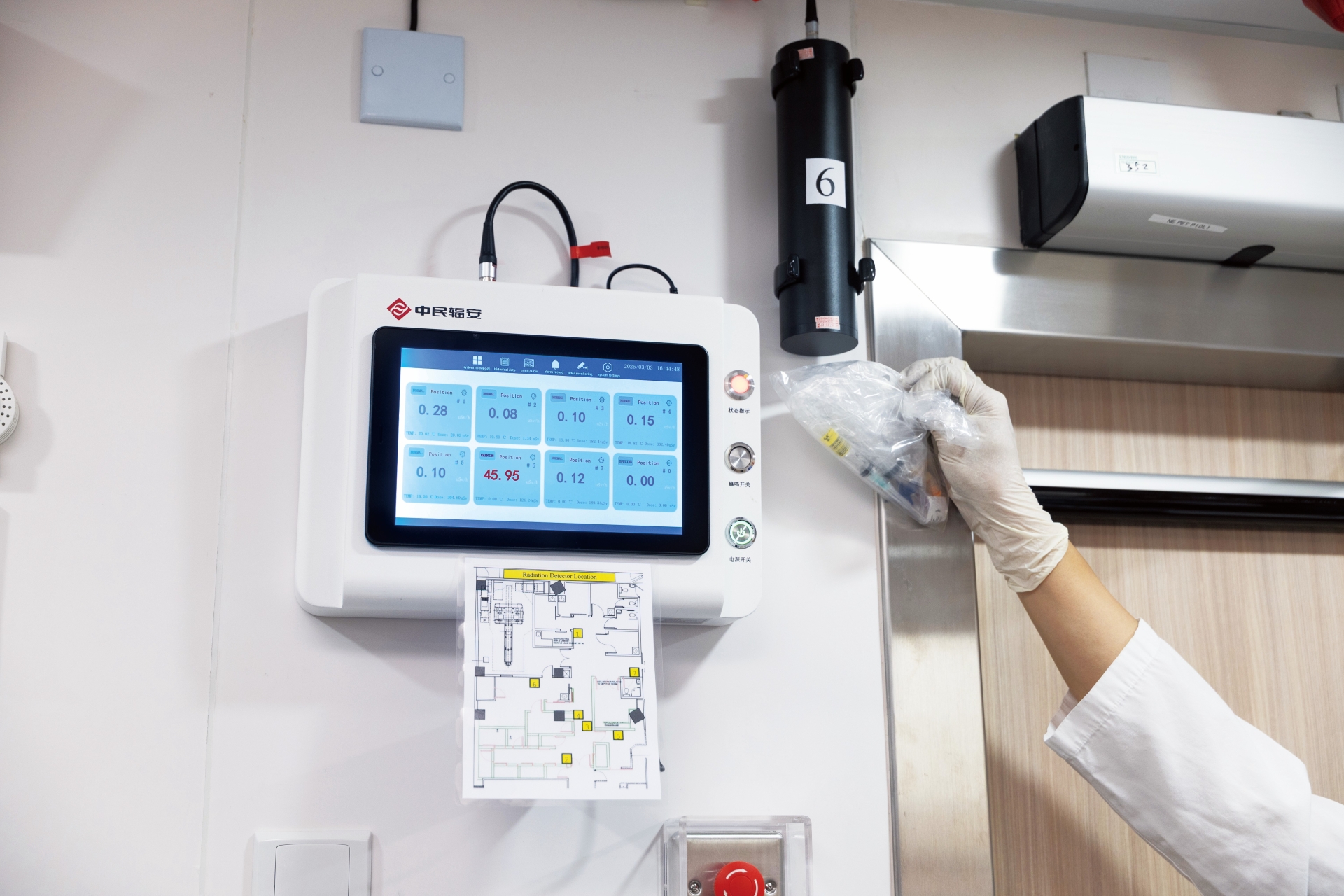
The expected growth in service volume heightens the radiation risks faced by staff. "We must fully protect our colleagues' occupational safety and health, keeping their radiation exposure at a low level," emphasises Dr Choi. Since PYNEH has attained the China's International Hospital Accreditation Standards (2021 Version) in December 2024, the department continues adopting the national standards with the best practices in radiation safety management, and introducing new facilities to safeguard staff safety at work. This includes a real-time omnidirectional radiation monitoring system – the first of its kind in public hospitals – to provide 24-hour environmental radiation surveillance. This system displays radiation level readings from seven locations in real time and triggers instant alert whenever radiation level exceeds safety threshold, thereby enhancing staff's safety awareness.
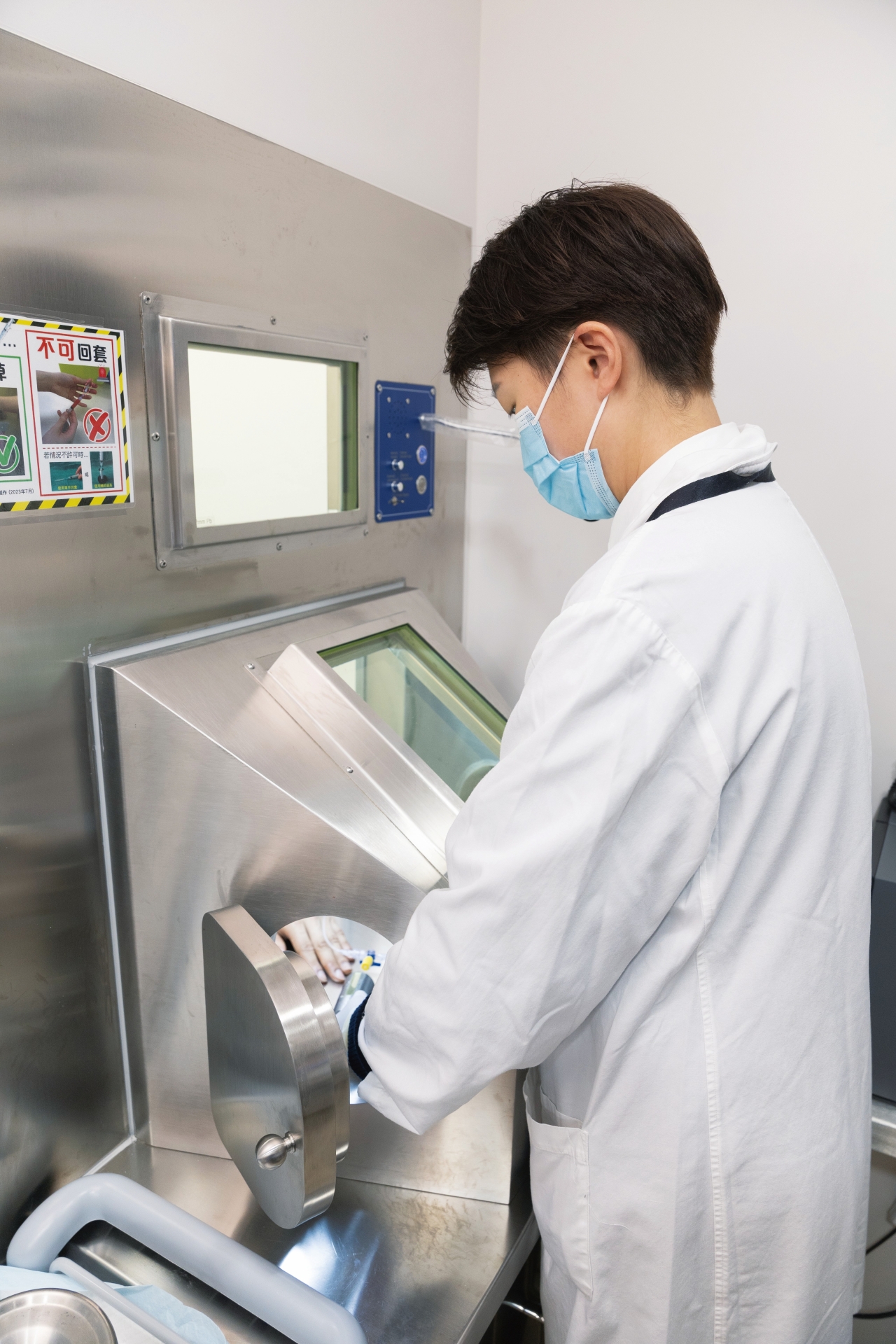
Additionally, the department introduced a custom-made lead-shielded injection workstation, allowing operators to verify radiopharmaceuticals, calibrate doses and inject into patients with minimal direct contact, so as to reduce staff radiation exposure risks.
With the new equipment now in operation, the service capacity is projected to increase by over 33% in the first year, enabling more than 1,000 additional scans. Dr Choi considered that this hardware upgrade is only a beginning and he envisaged in the future a continuing increase in PET-CT service capacity and scope with a greater variety of radiopharmaceuticals to address diverse patient needs.