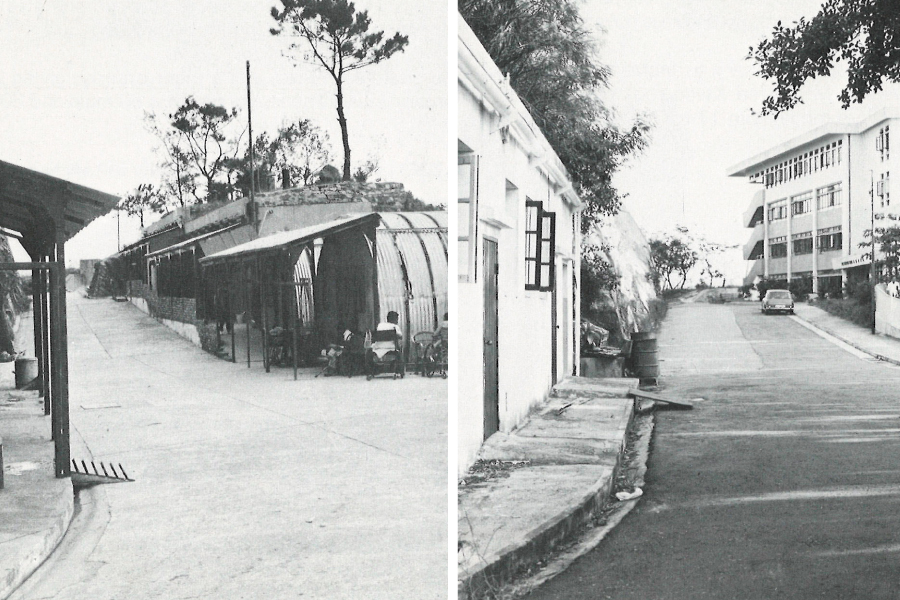
Transforming gunner's camp to care home
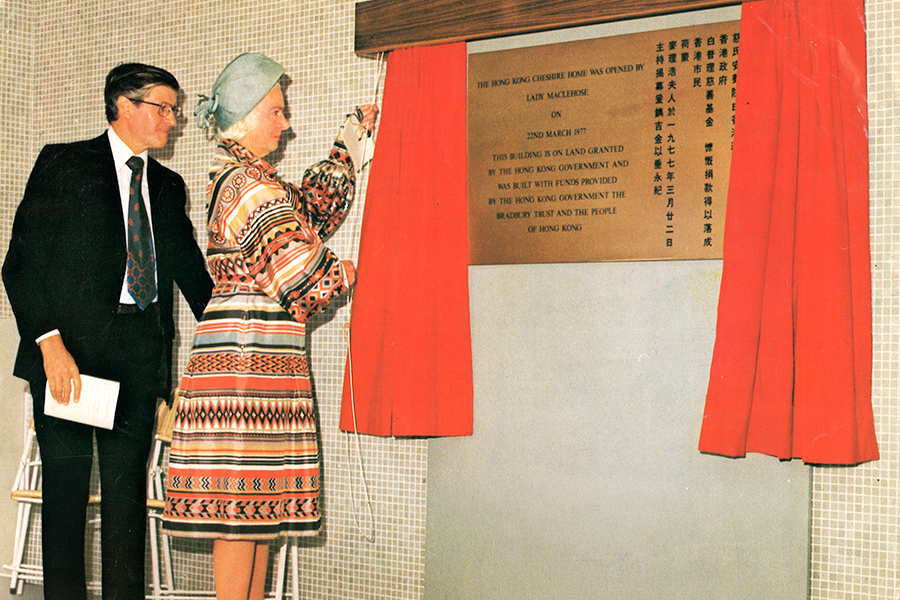
CCH was founded in 1961 by Colonel Nigel Watson, a former member of the British Royal’s Own Hussars and the Airborne Service. He helped the Leonard Cheshire Foundation International establish homes overseas. Colonel Watson secured government land at the site of former concrete blockhouses near the Chung Hom Kok Battery to house severely disabled persons. He raised funds to convert the gunner’s camp, with Sir Chau Sik-nin as the patron. Starting with only five residents, the community grew to 34 by 1977, at which point they relocated to the current ‘Original Home’. This building was officially opened by Lady MacLehose, wife of the then-Governor of Hong Kong.
Battery defending the southern part of HK Island during WWII
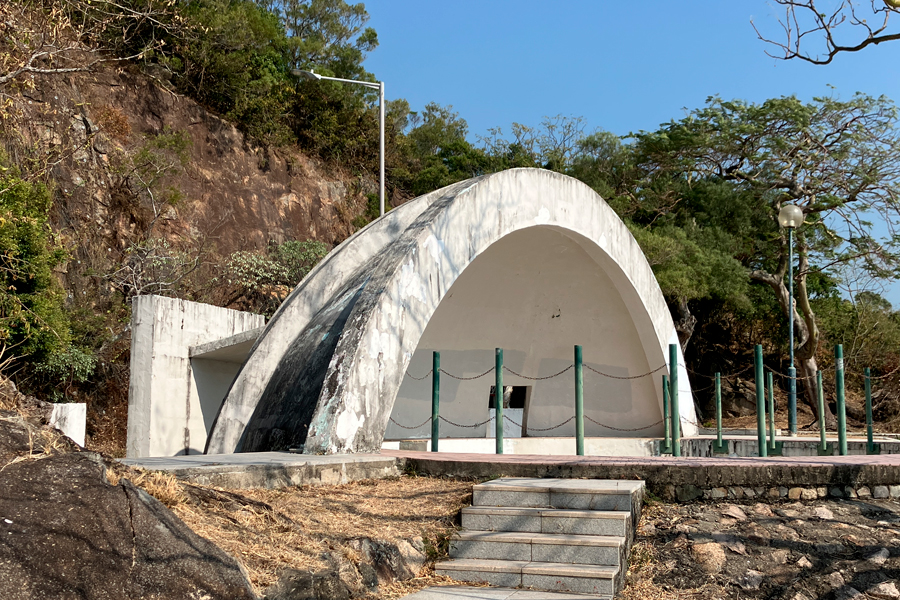
The original site of Cheshire Home, Chung Hom Kok was the upper level of the Chung Hom Kok Battery. The battery was built by the British Army around 1938 to defend the southern coastline of Hong Kong Island during the Second World War. The lower level of the battery remains preserved to this day and has been converted into Chung Hom Kok Park. In 2009, it was listed as a Grade II historic building and is now a popular spot for photography. During the Japanese invasion in 1941, the British Army deliberately sabotaged the battery to prevent it from falling into enemy hands. The upper emplacement was demolished and rebuilt as the Cheshire Home, only the lower level of battery was kept.
Diverse activities to explore a new world
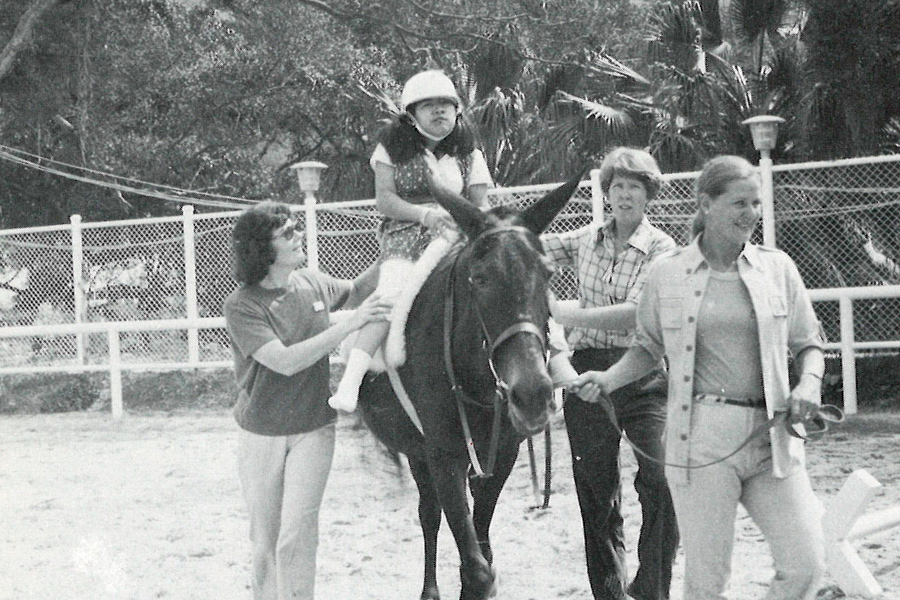
Due to the remote location of Chung Hom Kok, CCH was fortunate to receive generous support from the community. By 1980, it operated a dedicated minibus. Besides taking residents to and from sheltered workshops, it also transported them to the city for medical follow-ups, dental check-ups, and banking. This allowed residents to live lives similar to any other citizen. In the early years, CCH often used the minibus to take residents on outdoor activities, such as going to barbeques, and even horseback riding to help them continue exploring the world.
Youth campers stay overnight for promoting inclusive society
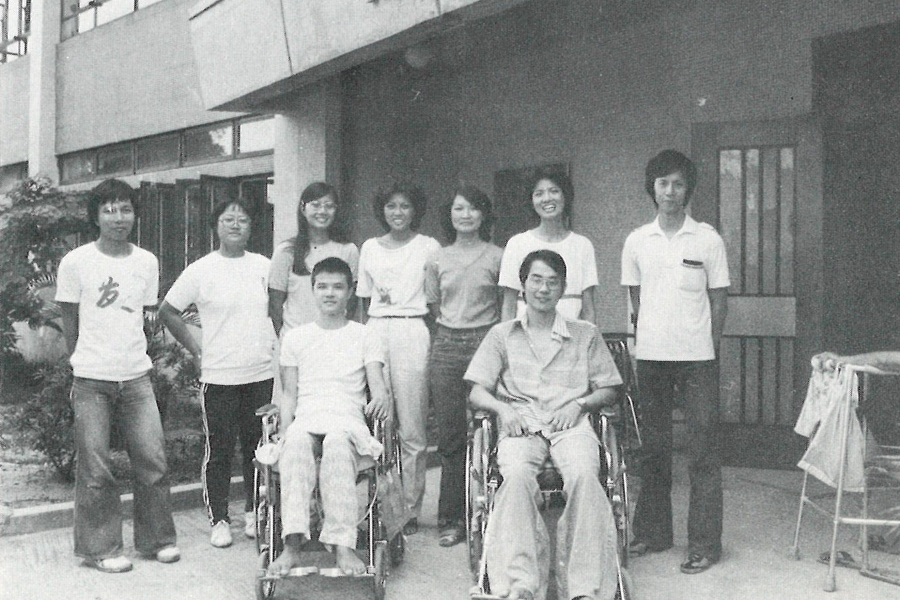
In 1979, CCH launched a residential scheme for Youth Auxiliary groups, inviting ten ‘campers’ from uniformed groups such as scouts, guides, and youth leaders to stay overnight at CCH. During their stay, they freely interacted with residents and taught subjects like English, Mathematics, and others. The ‘campers’ also helped assist the garden, clean windows, and organise barbeque activities. This scheme allowed the ‘campers’ to enjoy the natural beauty of Chung Hom Kok while embracing the spirit of helping others, bringing warmth and companionship to the residents.
Residents attended overseas exchange
The founder of the Leonard Cheshire Foundation International, Sir Leonard Cheshire, was a British Royal Air Force pilot who dedicated himself to charitable work after the war. In 1948, he opened the first Cheshire Home in Hampshire, the United Kingdom, and in 1952, he established the Leonard Cheshire Trust and Foundation to provide nursing care and a place to live for people with disabilities worldwide. Both Cheshire Home, Chung Hom Kok and Cheshire Home, Shatin are members of the Leonard Cheshire Foundation International (Hong Kong Region). Residents and staff from the Hong Kong Home have represented the Home at international Cheshire conferences, participating in global exchanges and broadening their horizons.