Enhance sensitivity to identify indicators of child abuse
From the carer’s interactions with their children to various physical or behavioural abnormalities in a child, many factors can serve as indicators of child abuse. Early identification helps build a safety net for children and provides better support for the carers. Dr Anna Cheng, Associate Consultant of the Department of Paediatrics and Adolescent Medicine at United Christian Hospital, shares two scenarios that required mandatory report.
The social worker reported that she found difficulty in engaging the mother and her friend in the past few months so she could not pay any home visit to see the child. Further investigation revealed that the friend had easy mood swing and failed to introduce solid food in accordance with the infant’s developmental needs, resulting in failure to thrive in the child, the friend also failed to provide appropriate positive stimulation resulting in developmental delay in the child. With ongoing support from the medical team, dietician, and developmental training from the occupational therapist, physiotherapist, the infant’s weight regained to her normal growth percentile and development caught up to be appropriate to her chronological age.
The mother’s friend as the main carer failed to provide adequate diet for the child though no urgent medical treatment was required but the friend’s unattended emotional problem was a significant risk factor. Moreover, they had not been engaged in formal intervention to address the childcare issue. The child was at real risk of suffering serious harm and mandatory report was required.
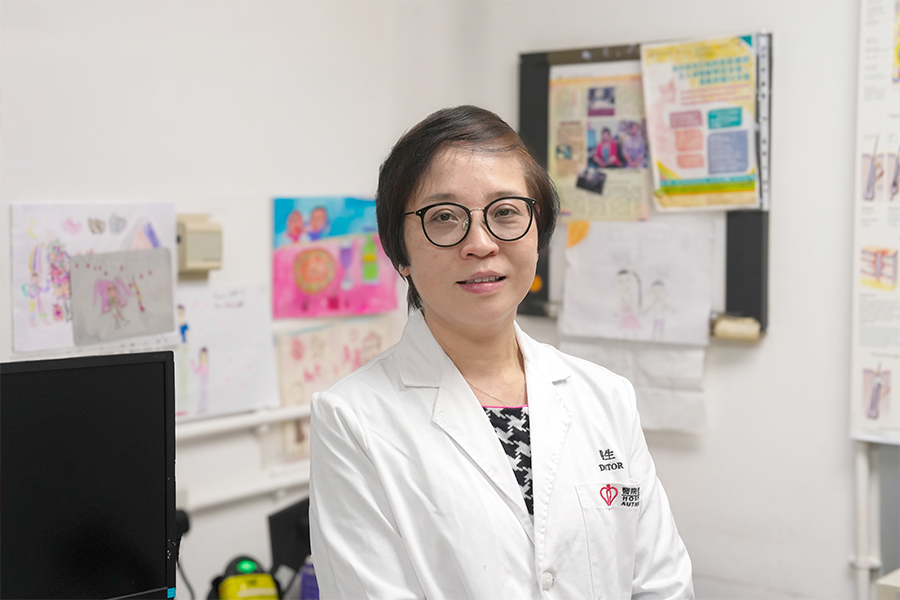 Dr Anna Cheng (pictured) remarks that the Guide for Mandated Reporters cannot include every real-life scenario for mandatory reporting, and therefore the professional judgment and comprehensive analysis of the different factors in different circumstances are crucial. The child’s situation, the suspected abuser, family dynamics, and environmental factors should be collectively considered. If there are reasonable grounds to suspect that the child is suffering from serious harm or facing a real risk of serious harm, the mandatory reporting mechanism should be activated decisively to safeguard the child’s best interests.
Multidisciplinary cooperation is vital in child protection. Dr Cheng cites an example: If a laboratory technician detects a sexually transmitted disease (Gonorrhea) in a four-year-old child, the staff could proactively contact the referring clinician to ensure he/she is aware of the situation for immediate clinical management, review the social background of the child and activate the mandatory reporting procedure as serious harm threshold of sexual abuse has been reached.
Following the gazetting of the Mandatory Reporting of Child Abuse Ordinance in July 2024, SWD and HA organised a series of online trainings for mandated reporters. HA also organised staff briefing to identify child abuse and have a better understanding of the workflows of mandatory reporting in preparation for the Ordinance’s commencement on 20 January 2026.
Online briefing on the Guide for Mandated Reporters
Scenario 1: Failure to thrive and developmental delay after entrustment of childcare to a friend
A 19-year-old mother who had grown apart from her family and lacked support, entrusted the care of her infant to a friend in order to make a living. The infant received up-to-date vaccination and development assessment at four months old was normal. But the mother subsequently failed to bring the infant for scheduled check-ups at six and nine months old. The in-charge paediatrician contacted the case social worker to home visit the family and strongly advise the mother to bring the child back to the clinic. With much effort, the social worker successfully accompanied the mother and the child back to see the paediatrician who had detected poor weight gain and motor developmental delay in the child.The social worker reported that she found difficulty in engaging the mother and her friend in the past few months so she could not pay any home visit to see the child. Further investigation revealed that the friend had easy mood swing and failed to introduce solid food in accordance with the infant’s developmental needs, resulting in failure to thrive in the child, the friend also failed to provide appropriate positive stimulation resulting in developmental delay in the child. With ongoing support from the medical team, dietician, and developmental training from the occupational therapist, physiotherapist, the infant’s weight regained to her normal growth percentile and development caught up to be appropriate to her chronological age.
The mother’s friend as the main carer failed to provide adequate diet for the child though no urgent medical treatment was required but the friend’s unattended emotional problem was a significant risk factor. Moreover, they had not been engaged in formal intervention to address the childcare issue. The child was at real risk of suffering serious harm and mandatory report was required.
Scenario 2: Infant dehydration caused by feeding boxed milk
A four-month-old infant was brought to Maternal and Child Health Centre for vaccination and growth surveillance. Mother was young, suffering from adjustment disorder and lacked family support. With mother’s consent, she was referred to a social worker in Integrated Family Service Centre, Social Welfare Department (SWD) for childcare support. During a home visit, the social worker noticed that the infant was slow to react and immediately brought the infant to the hospital. The infant was diagnosed with severe dehydration and borderline blood pressure requiring urgent treatment in the paediatric intensive care unit. Investigation revealed that due to financial difficulties, the mother had been feeding the baby boxed milk for the past two days. This was a case of child neglect with serious harm necessitating mandatory report.Comprehensive analysis of various factors and professional judgement
Dr Anna Cheng (pictured) remarks that the Guide for Mandated Reporters cannot include every real-life scenario for mandatory reporting, and therefore the professional judgment and comprehensive analysis of the different factors in different circumstances are crucial. The child’s situation, the suspected abuser, family dynamics, and environmental factors should be collectively considered. If there are reasonable grounds to suspect that the child is suffering from serious harm or facing a real risk of serious harm, the mandatory reporting mechanism should be activated decisively to safeguard the child’s best interests.
Multidisciplinary cooperation is vital in child protection. Dr Cheng cites an example: If a laboratory technician detects a sexually transmitted disease (Gonorrhea) in a four-year-old child, the staff could proactively contact the referring clinician to ensure he/she is aware of the situation for immediate clinical management, review the social background of the child and activate the mandatory reporting procedure as serious harm threshold of sexual abuse has been reached.
Following the gazetting of the Mandatory Reporting of Child Abuse Ordinance in July 2024, SWD and HA organised a series of online trainings for mandated reporters. HA also organised staff briefing to identify child abuse and have a better understanding of the workflows of mandatory reporting in preparation for the Ordinance’s commencement on 20 January 2026.
Online briefing on the Guide for Mandated Reporters