Why was Wong Tai Sin chosen as the location for the hospital?
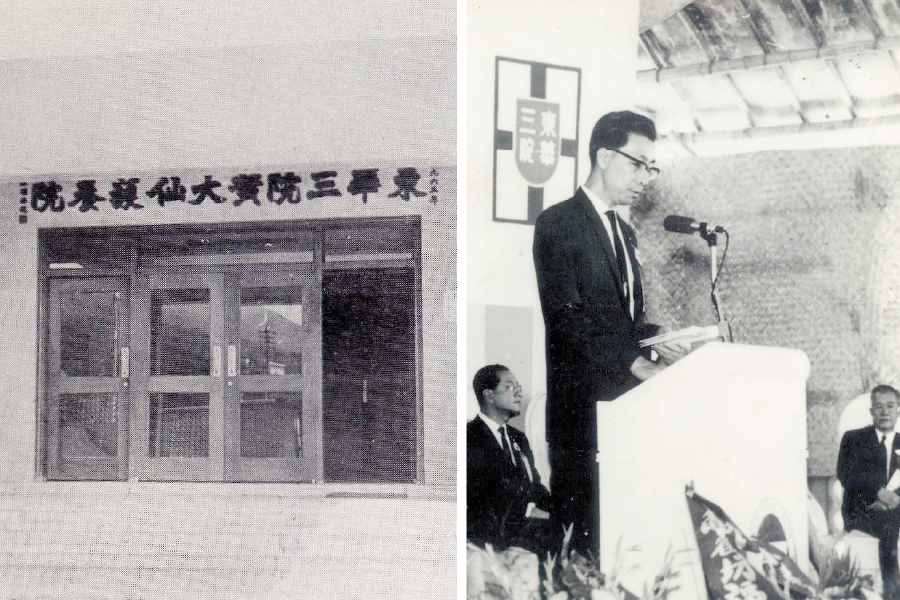
Wong Tai Sin district is always associated with feng shui when people talk about it. The Tung Wah Group of Hospitals originally considered Tai Wo Ping in the search for a new site for the Kwong Wah Infirmary. It was ruled out because its high elevation and mountainous terrain made it inconvenient for family visits while Wong Tai Sin offered better transport access and easier land development. The Wong Tai Sin Infirmary was completed in 1965 and, in 1993, it was renamed WTSH to signify the transformation of services.
Entertaining long-stay patients
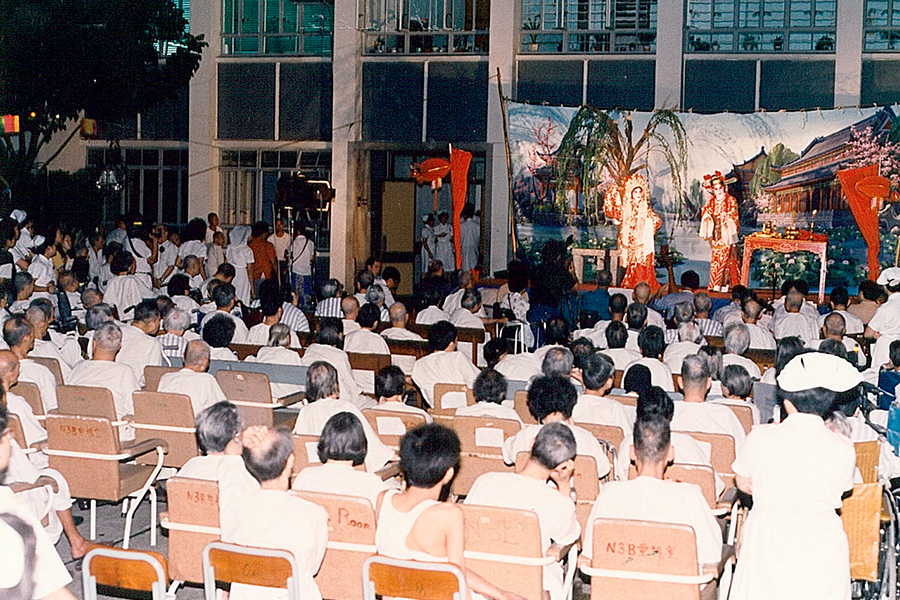
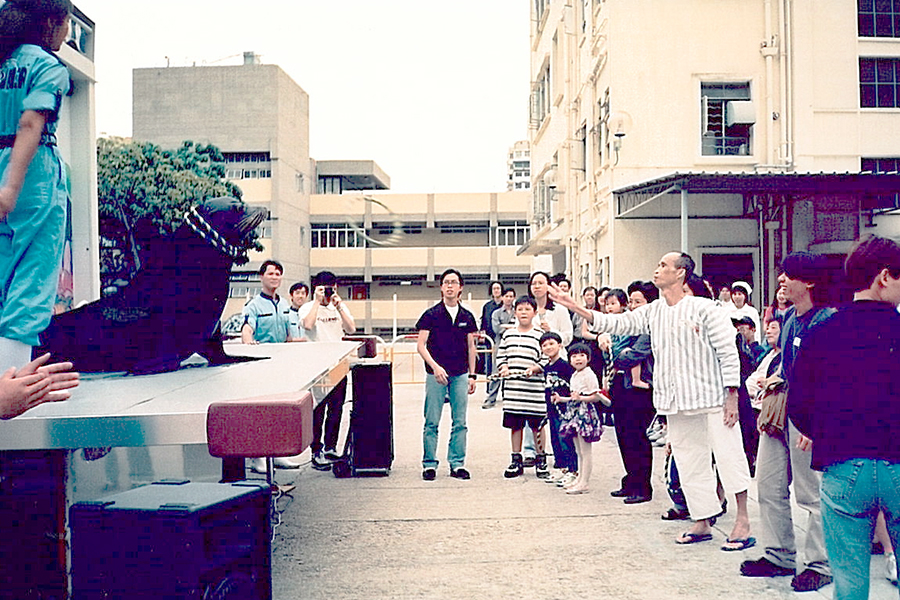
To bring warmth and entertainment to long-stay patients, a range of special activities are organised by the hospital. In the 1990s, Ocean Park arranged for sea lions to perform at the hospital, and Cantonese opera was performed during the Mid-Autumn Festival to bring the magic of the season to patients.
Andy Lau served as volunteer hairdresser
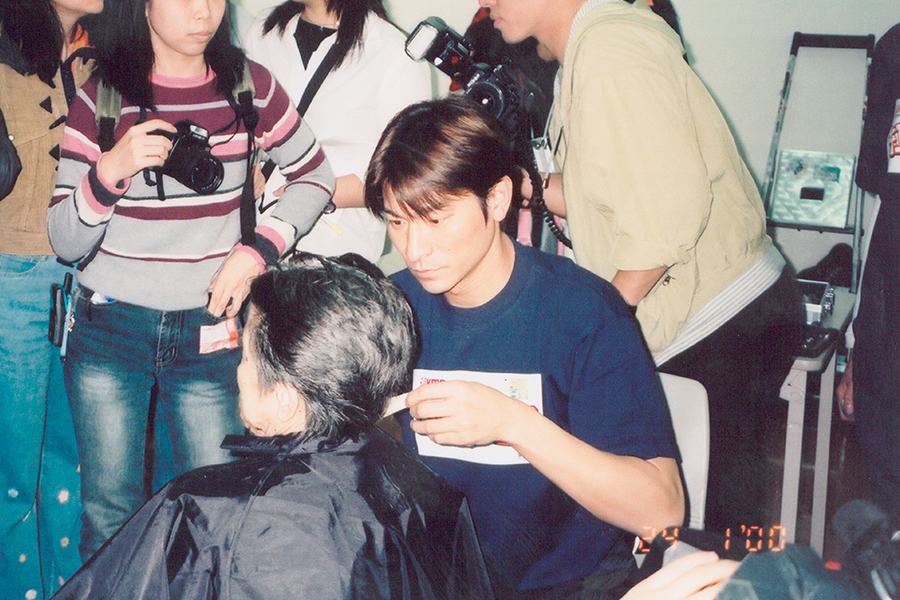
WTSH’s service are recognised by Hong Kong society. Volunteer services are held from time to time. Movie star and pop icon Andy Lau once joined volunteers at the hospital and gave haircuts to elderly patients.
A comfort corner for healing hearts
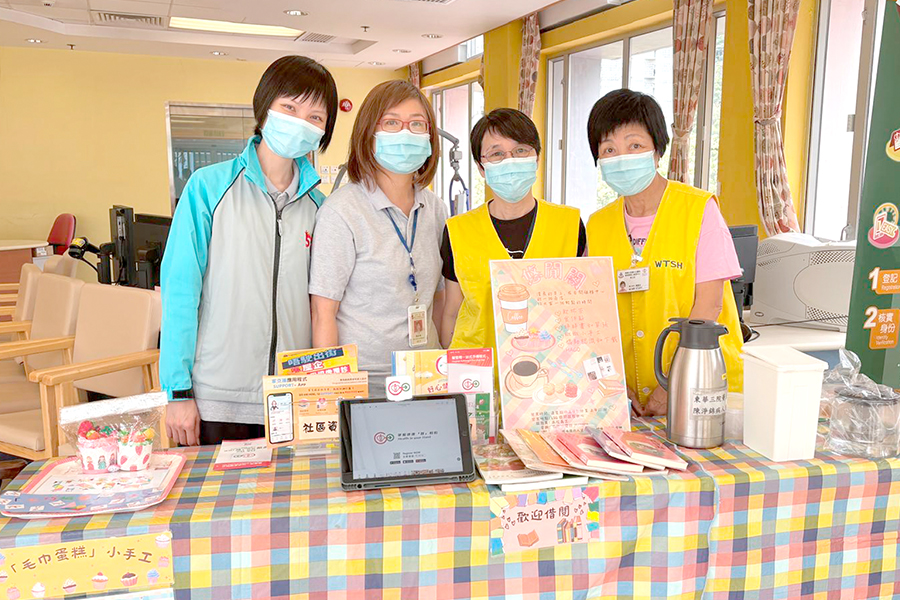
A group of devoted volunteers gathers in a quiet corner of the Palliative Care Specialist Outpatient Clinic every Thursday. They come from the Patient Resource Centre and set up a comfort corner. Patients attending follow-up appointments for palliative care and their families are greeted with light refreshments, a book-lending service, and handicraft workshops. Volunteers also help promote and offer assistance in installing ‘HA Go’ app for patients and their carers. Through these simple yet heartfelt gestures, the volunteers offer warmth, comfort, and a sense of companionship along the journey of care.
Walking with patients
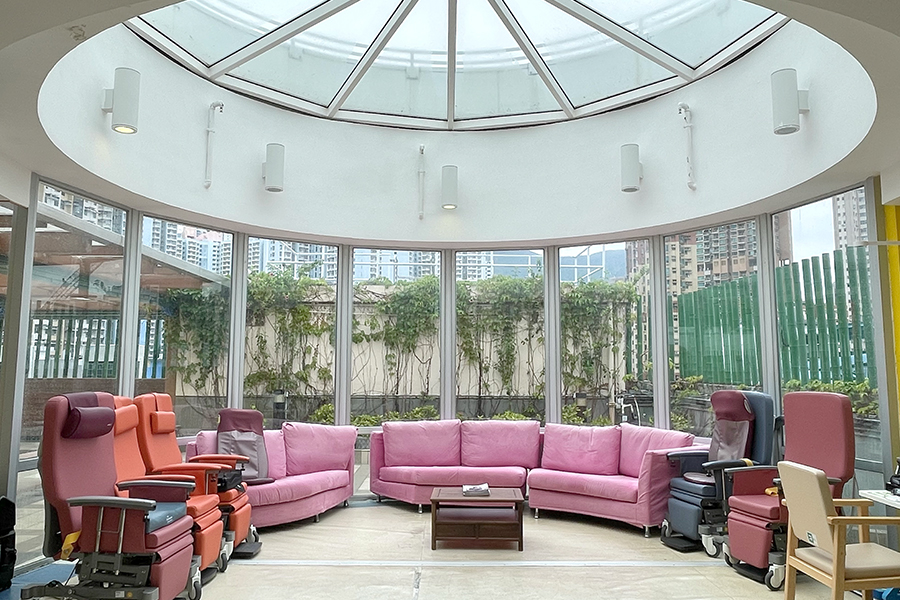
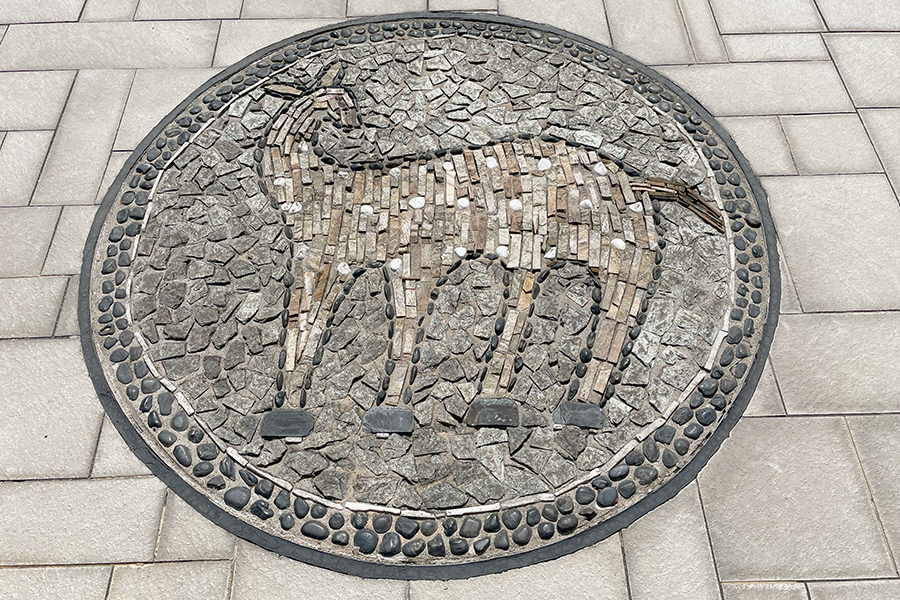
The BMCPC (Board of Management of the Chinese Permanent Cemeteries) Palliative Care Centre was opened in 2009 on the fifth floor of the hospital, caring for patients with end-stage organ failure and cancer. The centre’s design incorporates the concept of harmony between nature and humanity and features a domed pavilion and a traditional Chinese-style garden. The garden has stone mosaics with images from nature. The image of a deer looking back represents patients’ gratitude for the hospital’s heartfelt service, while the crane and pine tree symbolise blessings and wishes for peace and serenity as patients enter the final stages of life, a senior staff explains.
A tree with a story of fighting against the epidemic
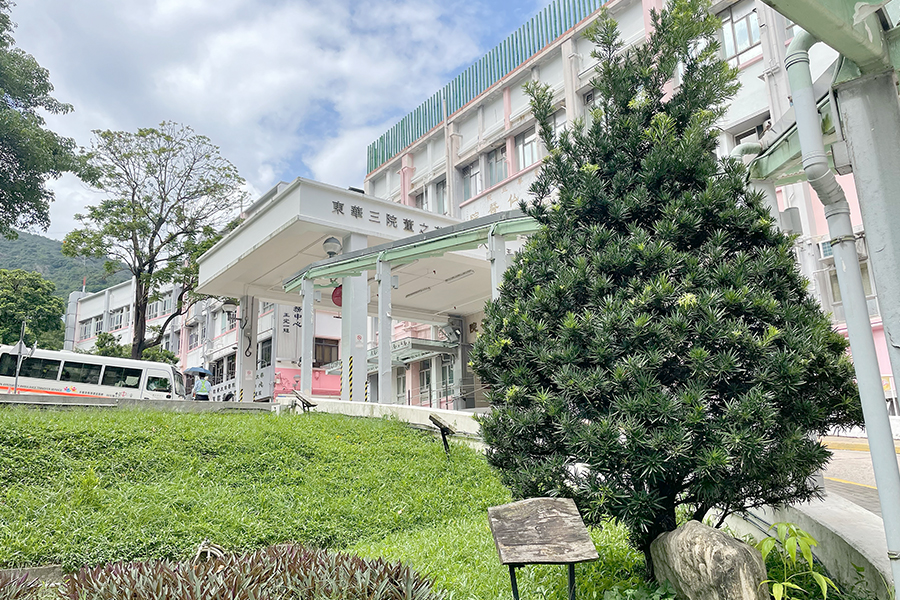
A Buddhist pine tree was planted outside the Geriatric Day Hospital after the 2003 SARS outbreak to commemorate the unity and teamwork shown during the crisis. The tree stands firm to this day, quietly bearing witness to that extraordinary period.