A closer look at chikungunya fever
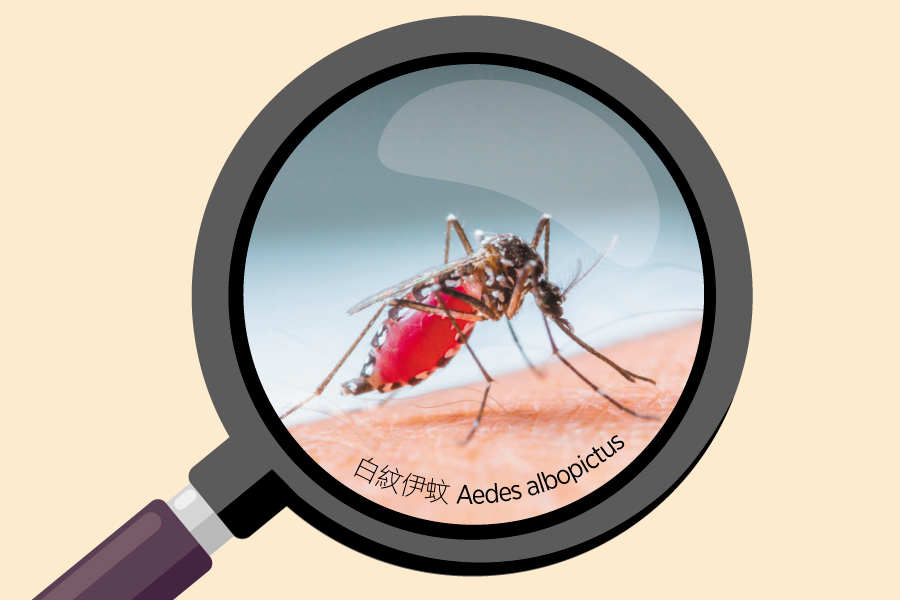 Chikungunya fever (CF) has been recorded in 119 countries and regions. As of July this year, over 240,000 cases have been reported in 16 countries/ regions worldwide. Among them, there were 90 fatal cases. Hong Kong has recorded 18 imported CF cases this year as at 16 September. Humid weather creates ideal conditions for mosquito breeding, making personal preventive measures essential to prevent mosquito bites and proliferation. If symptoms such as fever, acute joint pain or rash occur after visiting areas affected by mosquito-borne diseases, it is crucial to seek medical attention promptly.
What is chikungunya fever?
The name ‘chikungunya’ derives from a word in the Kimakonde language, meaning ‘to become contorted’, and describing the stooped appearance of patients suffering from joint pain. The disease is characterised by fever and debilitating joint pain. Other common signs and symptoms include muscle pain, headache, nausea, fatigue and rash. Most symptoms resolve within weeks, joint pain in some cases may persist for several months or even several years. Occasionally, chikungunya virus can cause severe complications of the eye, heart and nerves. Newborn, elderly and patients with underlying medical conditions are at higher risk for more severe disease.Mode of transmission and incubation period
CF is most commonly transmitted to humans through the bites of female Aedes mosquitoes carrying chikungunya virus. The incubation period typically ranges from 2 to 12 days. A patient is infectious to mosquito two days prior the onset of symptom and six days after the onset of symptom. If the patient is bitten by mosquitoes during the communicable period, further local transmission via mosquitoes is possible.Although the Aedes aegypti is not found in Hong Kong, Aedes albopictus, which can also spread the disease, is a mosquito commonly found in the locality. Chikungunya virus can also be rarely transmitted from mother to newborn.
Management and prevention
There is no specific antiviral drug treatment for CF. Anti-pyretics and analgesics are used to relieve the symptoms. At present, there is no locally registered CF vaccine available in Hong Kong. The best preventive measure is to avoid mosquito bites and prevent mosquito proliferation.Handling of suspected cases
People who have visited Foshan or other endemic areas during the incubation period, and developed fever and joint pain, or fever and rash, will be arranged to undergo a test and stay in a designated ward until they are ruled out as infected with CF. If the test result is positive, patient will be arranged to admit to mosquito-free environment.HA stays vigilant to combat mosquito-borne diseases
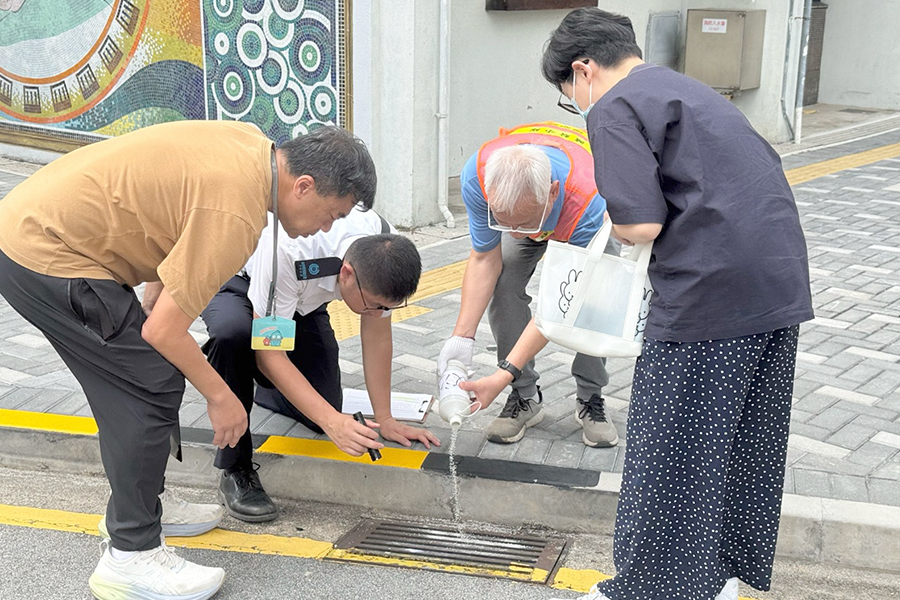
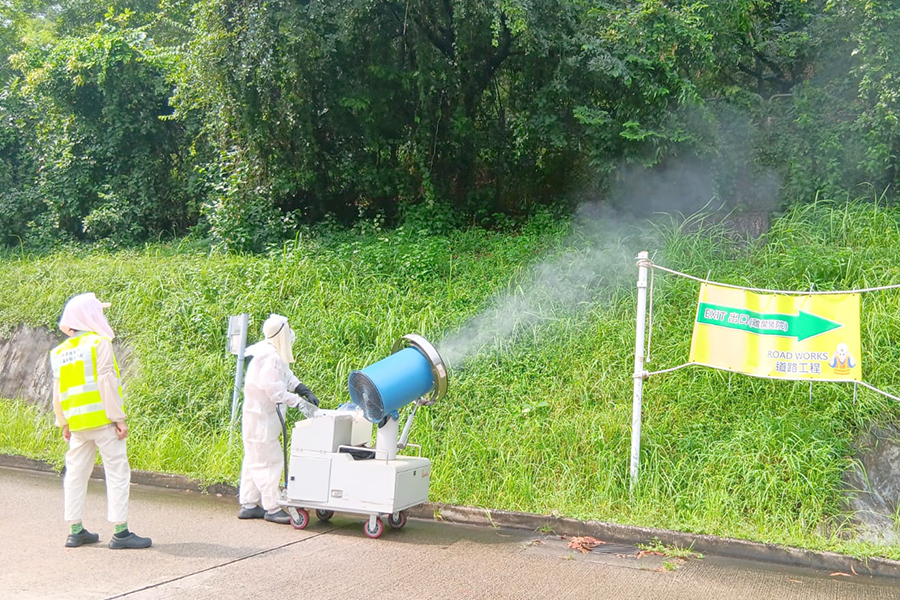 To deal with mosquito-borne diseases such as chikungunya fever and dengue fever, the Hospital Authority (HA) has stepped up mosquito control measures in its public hospitals and clinics, including eliminating mosquito breeding places, applying larvicides, and conducting fogging operations to eradicate adult mosquitoes. The HA has also reminded healthcare professionals to be vigilant in early identification of CF patients for timely diagnosis and management. The HA will continue to work closely and maintain communication with the Centre for Health Protection (CHP) of the Department of Health to make timely response. The HA has activated the surveillance and notification mechanism. When a suspected case is detected, the HA will report the case to the CHP immediately. The HA will continue to actively respond to mosquito-borne diseases and protect the health of citizens.