Intestinal ultrasound eases the burden of living with chronic conditions
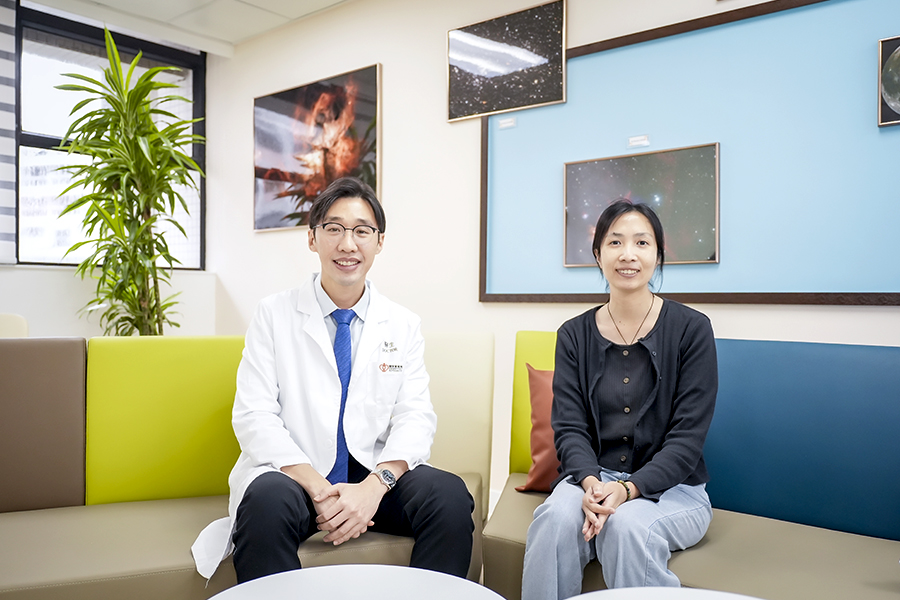
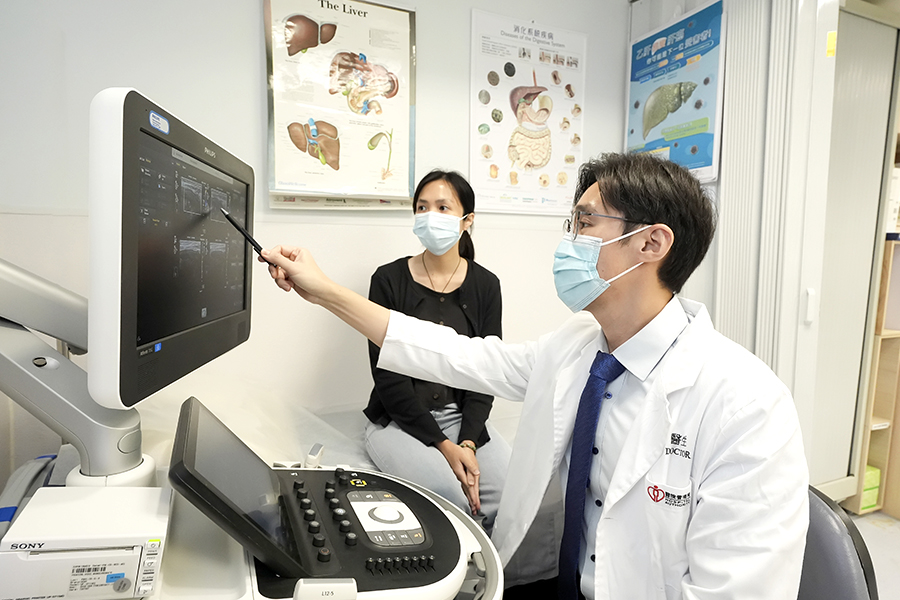 “My check-ups have become simple and reassuring, and I feel my quality of life has improved,” says Ms Chan, a Crohn’s disease patient, after undergoing an intestinal ultrasound at Princess Margaret Hospital (PMH). Since being diagnosed with Crohn’s disease in 2016, she has often felt stressed before abdominal imaging or colonoscopies required to monitor her condition. “In the past, I had to be careful with my diet, and drink laxatives before a colonoscopy. This might even affect my family, which made me anxious,” she recalls. For Dr Edmund Wu, Associate Consultant in the Department of Medicine and Geriatrics at PMH, seeing the improvement in patients’ experience brings immense satisfaction. “Empathy is the key to responding to patients’ needs,” he reflects.
A convenient and safer examination
Crohn’s disease is a type of inflammatory bowel disease caused by abnormal immune responses that lead to inflammation and ulceration of the digestive tract. Patients like Ms Chan require regular check-ups to monitor disease activity and assess the effectiveness of treatment.PMH introduced intestinal ultrasound service in 2023. Dr Wu explains: “Intestinal ultrasound has been widely used in Europe and United States for many years, but recently, its clinical applications for inflammatory bowel diseases have expanded significantly across Asia. The technique is radiation-free, non-invasive, requires no sedation, and is well tolerated by patients.”
Intestinal ultrasound takes only 10 to 30 minutes, and does not require dietary restrictions or contrast agents—this change has significantly improved Ms Chan’s quality of life. Looking back, Ms Chan recalls the burden of her earlier care: “Three days before a colonoscopy, I had to avoid high-fibre foods, otherwise it would affect the results. Drinking laxatives led to repeated visits to the bathroom, which disrupted my sleep and affected my family.”
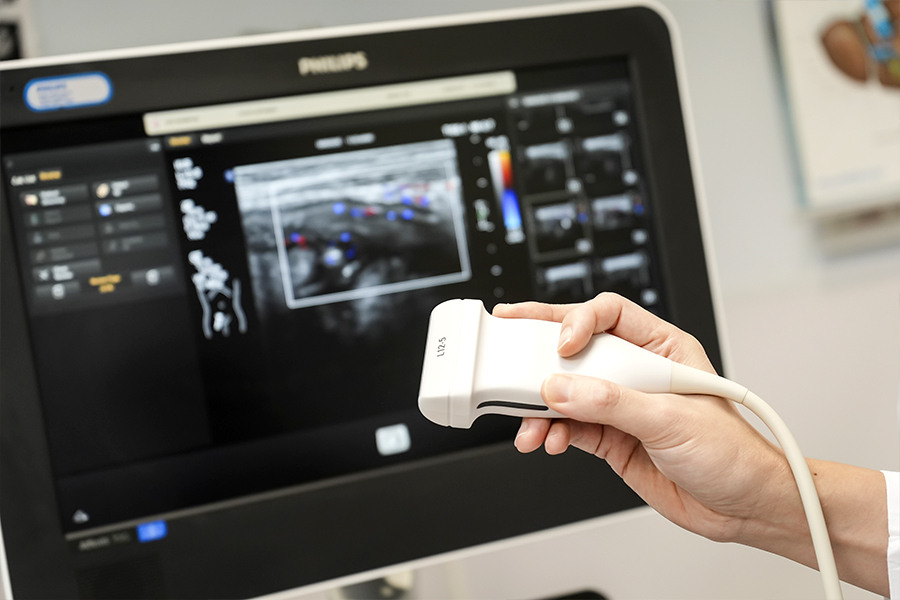
By contrast, conventional imaging and colonoscopy often involve waiting times of weeks or even months, and the procedures are more complex. Intestinal ultrasound is low-cost, can be performed at the bedside or in day centres, and can be repeated immediately if necessary. Doctors can directly assess bowel wall thickness, detect inflammation, and identify strictures, or abscesses—allowing for timely diagnosis and optimisation of treatment.
Provide cross-cluster training for doctors
Dr Wu trained in intestinal ultrasound in Germany and Italy. Through one-on-one supervision and dozens of hands-on scans completed over four weeks, he became the first doctor in Hong Kong to be certified by the International Bowel Ultrasound Group (IBUS). He also helped PMH become Hong Kong’s first IBUS-accredited training centre, where seven doctors from five clusters successfully completed hands-on training locally, reducing the need to travel overseas. Subsequently, Queen Mary Hospital and Prince of Wales Hospital have also become accredited training centres.The positive experience of patients fuels Dr Wu’s enthusiasm to promote the wider use of intestinal ultrasound. He hopes that more public hospitals in Hong Kong will establish the service in the future. Beyond Hong Kong, he also aspires to see the use of intestinal ultrasound extended across Asia. “Medical services should be patient-centered. Thoughtful improvements in service can greatly enhance patients’ quality of life,” he says.
It is the heartwarming testimony of patients like Ms Chan—and the transformative effect of intestinal ultrasound bring to their lives—that remind Dr Wu of the true value of doing the utmost for patients and keeping pace with innovation to provide the best possible care.