The journey of breast milk donation
1. Donor screening
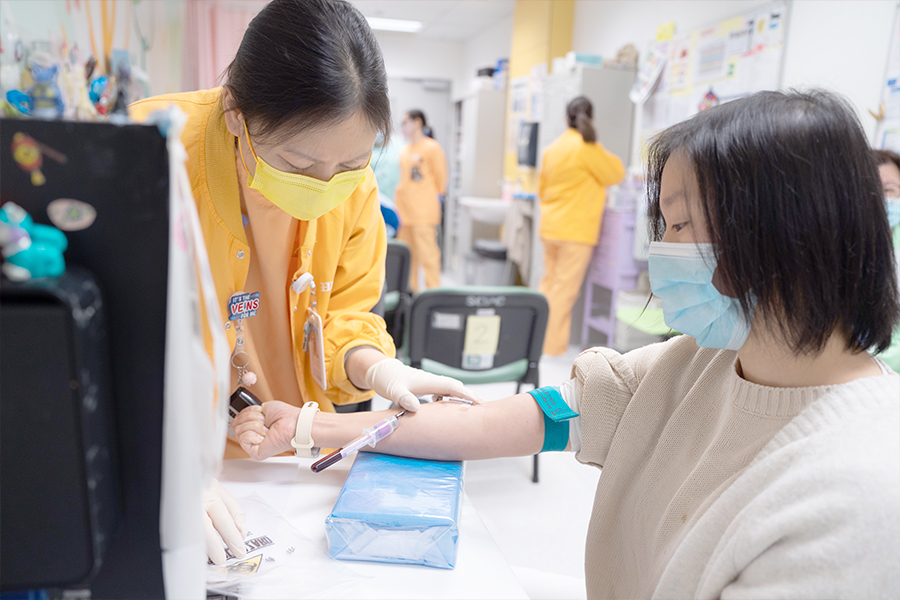 Mothers who are interested in donating breast milk must undergo a three-step screening process:
- Complete health questionnaire: This includes providing information about medical history and lifestyle habits
- Interview: A face-to-face health screening interview conducted by nurse
- Blood testing: A blood test to screen for infectious diseases. Regular blood tests will be required every three months to continue donating breast milk
2. Collect and store breast milk
Eligible donors will receive instructions on how to collect and safely store their breast milk. They will be provided with storage containers, such as bottles or bags. They may also choose to use commercially available food-grade and Bisphenol A-free storage bags. Breast milk must be kept frozen at all times and stored separately from other food items for up to 10 weeks.3. Delivery arrangements
A designated courier service will be arranged to collect the breast milk directly from the donor’s home, with proper temperature control and monitoring throughout the transportation process. Alternatively, if the donor chooses to personally deliver the frozen milk to the HKBMB, they can contact the staff in advance for assistance and arrangements.4. Processed in HKBMB with a robust system
Under precise temperature control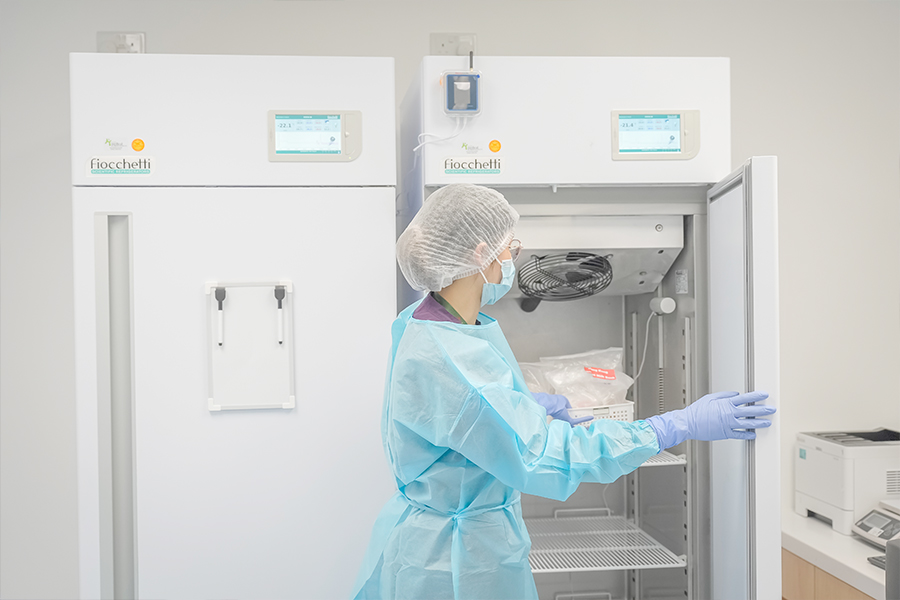 Upon arrival at the HKBMB, donor milk is stored in refrigerator at a temperature of -20˚C.
Pasteurisation
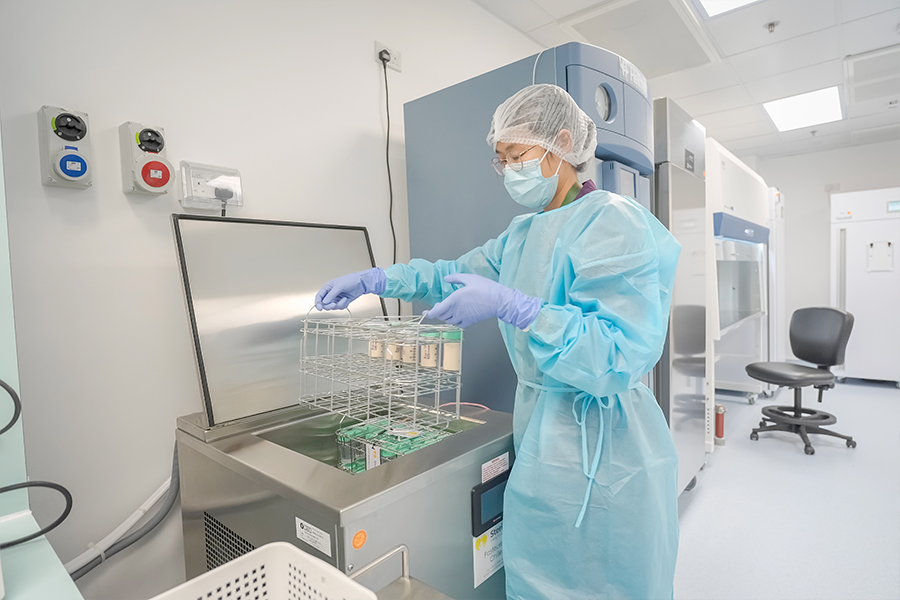 Processed solid donor milk is returned to liquid form before undergoing pasteurisation. Pasteurisation involves heating the breast milk to a specific temperature for a set period of time to eliminate bacteria and viruses. Most of the unique nutrients and components in the breast milk, such as immunological factors, are preserved to ensure its nutritional and protective benefits.
Microbiological testing
Laboratory staff perform microbiological testing on the donor milk both before and after pasteurisation to ensure its safety and quality.
Nutritional analysis
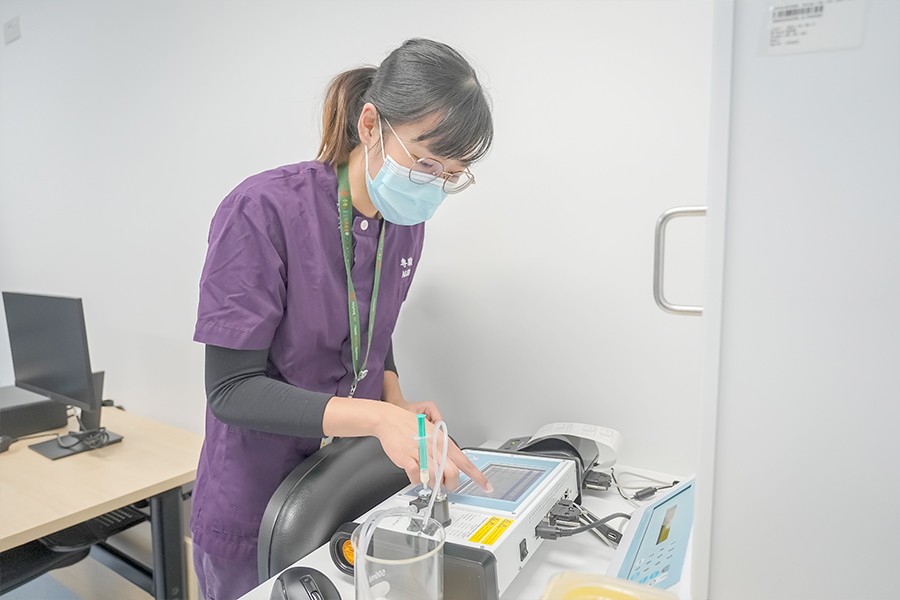 Donor milk samples are analysed to monitor their nutritional content, including carbohydrates and fats. These results are used as a reference when distributing the milk to meet the nutritional needs of babies.
5. Distribution of donor milk
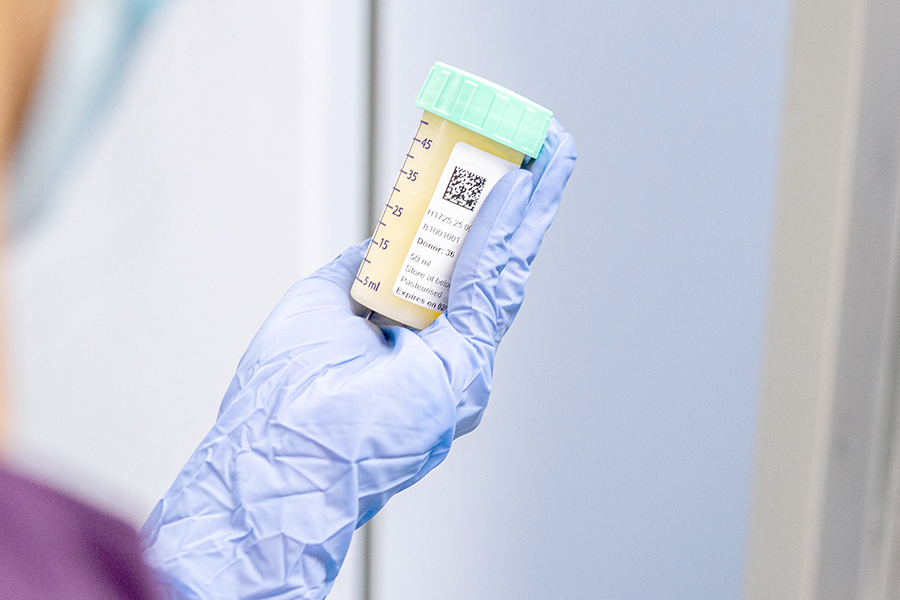 Donor milk that meets the required standards will be distributed to NICUs. It will be prescribed by paediatricians to babies in need, based on medical assessment.
Full traceability
HKBMB strictly adheres to international standards to ensure that donor milk is closely tracked at every stage—from collection and multiple processing steps to final delivery to infants. This meticulous tracking system ensures full traceability.Points to Note
- Breast milk donation is voluntary and without remuneration
- All donor information is kept strictly confidential
- Breastfeeding support will be provided to every donor by the HKBMB
- All breast milk donated to the HKBMB will not be returned