Service from the heart: Enhancing the patient experience
The HA is dedicated to improving patient care by continually striving for excellence and introducing new services. A range of innovative measures have been launched recently to provide more considerate, patient-centric services for outpatients, inpatients and carers.
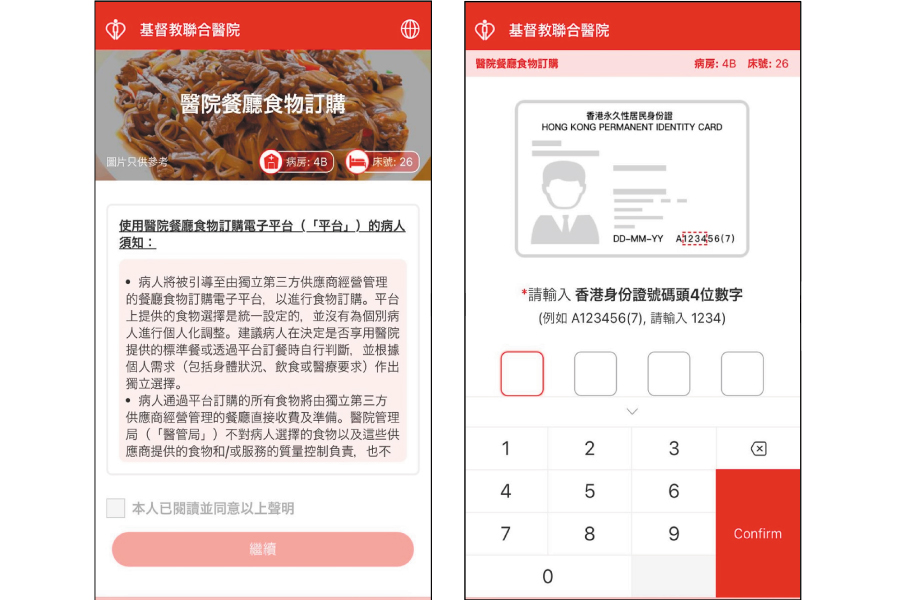 HA aims to increase the meal options for patients in hospitals. In addition to setting up more diverse vending machines, the initiative to allow suitable inpatients to order food from the hospital’s canteen is being piloted. Patients can scan a QR code provided by the ward staff to access an electronic ordering platform, where they can order canteen food and decide whether they still need the standard hospital meals (photo). The ordered food will be directly charged and handled by the canteen, and delivered to the ward at a designated time.
This initiative has been piloted in some wards in the second quarter of this year, and will gradually be expanded to suitable wards, such as convalescent hospitals, convalescent wards in acute hospitals, and wards of specific specialties, e.g. antenatal and palliative care.
Kowloon Hospital patient Mr Lam explains, “with the QR code provided by the nursing staff, I can choose from the diverse lunch options in the morning, place my order through an electronic platform, and receive my meal at lunchtime at my ward.”
“This new arrangement freed me from the constraints of standard hospital meals. I used the service 10 times, enjoying different dishes like char siu, soy chicken, and Singapore-style rice noodles. I particularly liked the roasted pork. The service lifted my mood during my hospital stay by giving a greater choice of food.”
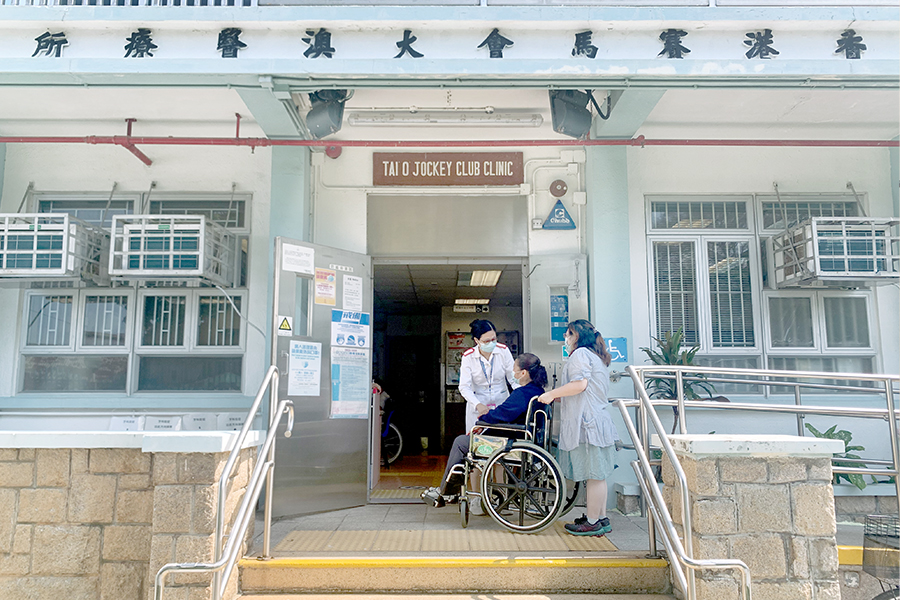 Patients in general were required to go to their designated hospital for blood taking tests. HA aims to provide patients with more convenient and flexible blood testing arrangements, which can help reduce the travel time for patients to the hospital. Starting from the second quarter of this year, each cluster has identified additional blood taking sites for patients according to demographic uniqueness, such as designated hospitals or general outpatient clinics (GOPC) of the same cluster.
Citing North Lantau Hospital (NLTH) and Princess Margaret Hospital (PMH) as examples, patients of these two hospitals living in Tai O or Mui Wo can have their blood taken at GOPCs in Tai O and Mui Wo. Kowloon West Cluster Clinic Manager Chan Ching says, “patients living in Tai O and Mui Wo who had to travel to NLTH or PMH for blood taking usually spent three to four hours commuting each time. This was particularly strenuous for elderly patients, and wheelchair-bound patients who had to pay taxi fares because of their mobility issues.”
One carer tells Chan she used to take time off to accompany her family members to NLTH for blood taking. Now, she can go to work as usual after taking them to a nearby clinic for the procedure in the morning. The new arrangement eases anxiety about blood taking affecting family members’ work schedules and reduces the physical discomfort associated with traveling, Chan observes.
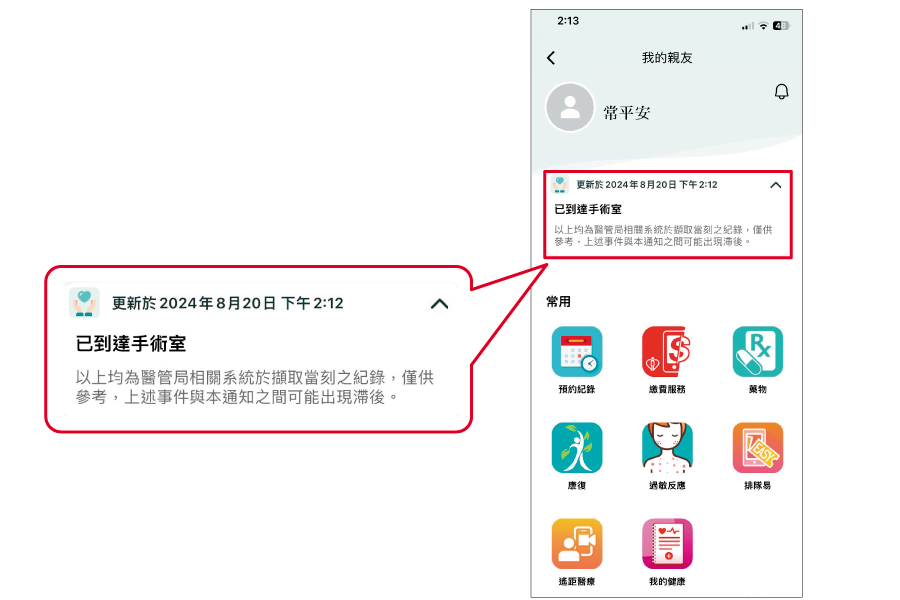 The ‘HA Go’ app has introduced a new ‘Family Touch’ feature to ease the stress of family members undergoing surgery by allowing them to check on the operation status of their loved ones from anywhere.
Patients can invite and confirm specific family members as carers in the app. When patients enter or leave the operating theatre, carers will receive timely notifications with messages such as “arrived at operating theatre” or “left operating theatre”. A patient at the Prince of Wales Hospital says, “my husband was waiting nearby outside the hospital while I was having surgery. He returned to the hospital to see me immediately after receiving the notification through the ‘HA Go’ app that the surgery had been completed. This initiative gives carer real-time information and greater peace of mind.”
Serving up a more appetising food choice
HA aims to increase the meal options for patients in hospitals. In addition to setting up more diverse vending machines, the initiative to allow suitable inpatients to order food from the hospital’s canteen is being piloted. Patients can scan a QR code provided by the ward staff to access an electronic ordering platform, where they can order canteen food and decide whether they still need the standard hospital meals (photo). The ordered food will be directly charged and handled by the canteen, and delivered to the ward at a designated time.
This initiative has been piloted in some wards in the second quarter of this year, and will gradually be expanded to suitable wards, such as convalescent hospitals, convalescent wards in acute hospitals, and wards of specific specialties, e.g. antenatal and palliative care.
Kowloon Hospital patient Mr Lam explains, “with the QR code provided by the nursing staff, I can choose from the diverse lunch options in the morning, place my order through an electronic platform, and receive my meal at lunchtime at my ward.”
“This new arrangement freed me from the constraints of standard hospital meals. I used the service 10 times, enjoying different dishes like char siu, soy chicken, and Singapore-style rice noodles. I particularly liked the roasted pork. The service lifted my mood during my hospital stay by giving a greater choice of food.”
Taking the strain out of blood taking
Patients in general were required to go to their designated hospital for blood taking tests. HA aims to provide patients with more convenient and flexible blood testing arrangements, which can help reduce the travel time for patients to the hospital. Starting from the second quarter of this year, each cluster has identified additional blood taking sites for patients according to demographic uniqueness, such as designated hospitals or general outpatient clinics (GOPC) of the same cluster.
Citing North Lantau Hospital (NLTH) and Princess Margaret Hospital (PMH) as examples, patients of these two hospitals living in Tai O or Mui Wo can have their blood taken at GOPCs in Tai O and Mui Wo. Kowloon West Cluster Clinic Manager Chan Ching says, “patients living in Tai O and Mui Wo who had to travel to NLTH or PMH for blood taking usually spent three to four hours commuting each time. This was particularly strenuous for elderly patients, and wheelchair-bound patients who had to pay taxi fares because of their mobility issues.”
One carer tells Chan she used to take time off to accompany her family members to NLTH for blood taking. Now, she can go to work as usual after taking them to a nearby clinic for the procedure in the morning. The new arrangement eases anxiety about blood taking affecting family members’ work schedules and reduces the physical discomfort associated with traveling, Chan observes.
‘HA Go’ keeps family members informed of the operation status to ease stress
The ‘HA Go’ app has introduced a new ‘Family Touch’ feature to ease the stress of family members undergoing surgery by allowing them to check on the operation status of their loved ones from anywhere.
Patients can invite and confirm specific family members as carers in the app. When patients enter or leave the operating theatre, carers will receive timely notifications with messages such as “arrived at operating theatre” or “left operating theatre”. A patient at the Prince of Wales Hospital says, “my husband was waiting nearby outside the hospital while I was having surgery. He returned to the hospital to see me immediately after receiving the notification through the ‘HA Go’ app that the surgery had been completed. This initiative gives carer real-time information and greater peace of mind.”