Walking together on the difficult journey
 Multidisciplinary Care of Parents and Babies at Periviable Gestations
Queen Mary Hospital
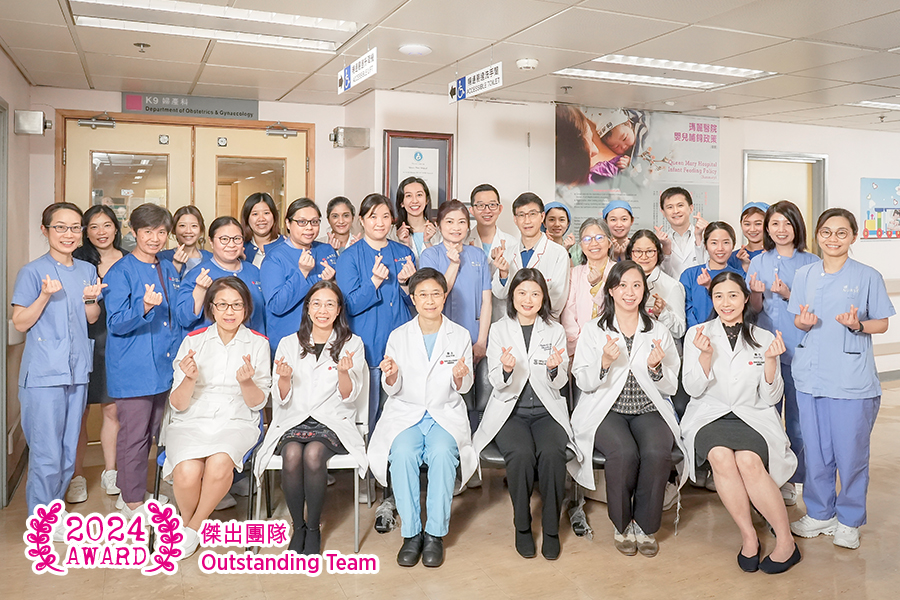
Babies born extremely prematurely face a struggle to survive from the moment they take their first breath and can be prone to developmental issues as they grow. However, medical advances mean they now have higher survival rates and a much better chance of growing up healthy. A multidisciplinary team for babies delivered between 23 and 25 weeks – regarded as the borders of viability – and their parents was set up at Queen Mary Hospital in 2021. The Team comprises of obstetric and paediatric healthcare professionals, clinical psychologists, and social workers.
Team members counsel parents on the long-term outlook and potential impact of delivery at periviability, and guide them to make decision on curative care or palliative care in the event of an emergency. “Some mothers who have struggled to conceive and prefer on a multi-pronged lifesaving approach at 23 weeks, despite the fact that they understand their babies may have a high risk of cerebral palsy and complications after birth. There are also husbands who don’t want to put their wives at risk knowing the prognosis of the babies may not be good. We understand that parents-to-be are at a loss when it comes to these situations, so we want to use our professional knowledge and data to help them make choices,” the spokesperson says.
The Team provides medical support to mothers, such as prescribing antenatal corticosteroid to accelerate fetal lung maturation and increase the chances of survival for infants. Many of these little fighters can survive and discharge after a stormy journey in Neonatal Intensive Care Unit with the company and support from our staff and their family members. “Some parents have come back to the hospital to celebrate the first birthday of a child who survived.”
The team members also comfort devastated parents who lose their babies. “The day parents lose a baby is heartbreaking but, in some cases, emotions also strike on other days after they are discharged from the hospital. So, we follow up with parents and help them deal with the feelings of loss. We have parents who lost their babies coming back to express their gratitude to us for being there to help them through their most difficult journey. Their stories are our motivation.” The Team now hopes to extend its caring services to other hospitals in future and to educate the public more widely on the issue of fetal loss.
Team List