Conquering a towering waste mountain
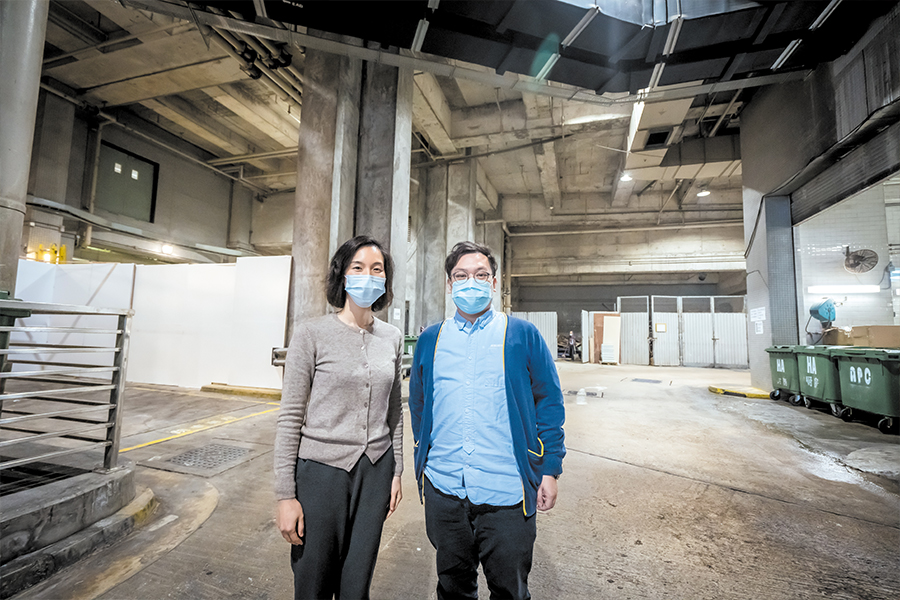 As frontline medical staff worked tirelessly to treat patients during the severe epidemic, behind the scenes, many of supporting colleagues were battling with their own exceptional crises, including grappling with rapid surge of hospital waste. During the fifth wave of the epidemic, many public hospitals, including the Pamela Youde Nethersole Eastern Hospital (PYNEH), faced a sharp rise in clinical waste (also known as ‘red bag’ waste) as the confirmed cases surged. Waste overloaded and blocked refuse areas and posed a major challenge for PYNEH’s cleansing team leaders Man Chan and Daphne Shiu. “Every hospital was facing a crisis of overflowing waste,” they recall. “There was a serious shortage of licensed collectors for handling clinical waste, so we had to get help where we could.”
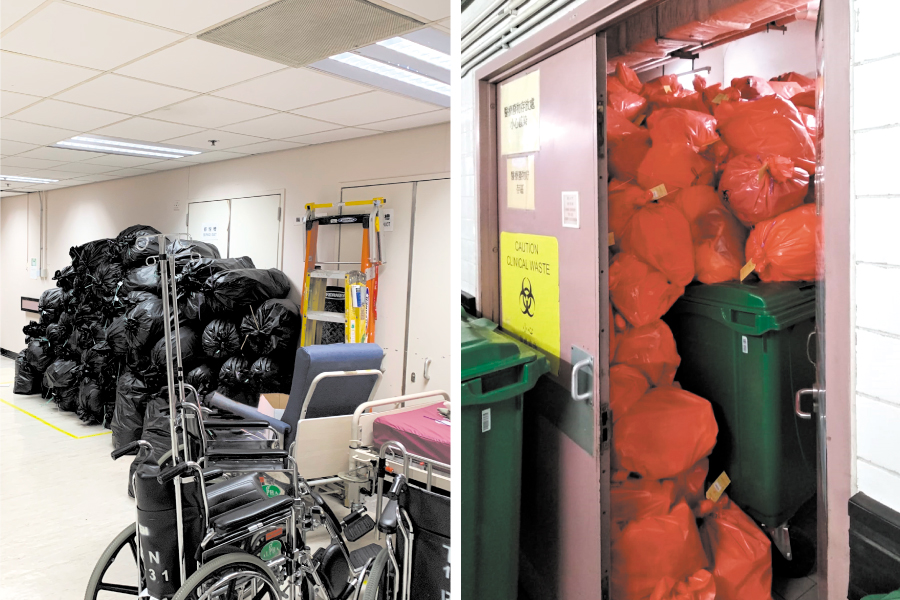
Man, the housekeeping supervisor of PYNEH, is responsible for supervising and coordinating more than 200 staff in the cleansing division and inspections. He works closely with Assistant Hospital Administrator Daphne, who is responsible for the management of environmental hygiene. They both witnessed an unprecedented tide of waste. “In just a few days, the waste load in the hospital had nearly doubled,” Man recalls. “The refuse areas on some floors were blocked by waste. Some garbage bags were even stacked near the wards. It was awful. We had to remove the waste and enhance supervision before the situation got worse, so as to ensure stringent infection control and hygiene, avoid bad smells and prevent pest infestation happening in the hospital.”
From crisis to solution within a week
While Man dealt with the removal of waste inside the hospital, Daphne settled the issue of getting it taken away. “The amount of waste to handle per day had increased for more than 50% during peak period, with more than 200 barrels of waste a day to deal with”, Daphne recalls, “at least 60% to 70% of which was clinical waste in red plastic bags which had to be taken away by licensed clinical waste collectors’ trucks for incineration.”“Only seven or eight barrels could be taken away at a time, and more waste quickly accumulated,” Daphne explains. “The collector also reflected that they had no solution as there were huge demands from many hospitals.” She had to call in additional licensed collectors to clear the waste by increasing the flow of trucks. Meanwhile, Man and the team arranged to temporarily store the backlog of waste in another designated place in the hospital, to avoid affecting environmental hygiene. The Centre for Health Protection updated the guidelines for handling wastes arising from COVID-19 cases thereafter, classifying those wastes as general waste in black plastic bags. “Larger garbage compactors could then transport more than a hundred barrels of black plastic bags at a time, greatly easing our burden,” Daphne says.
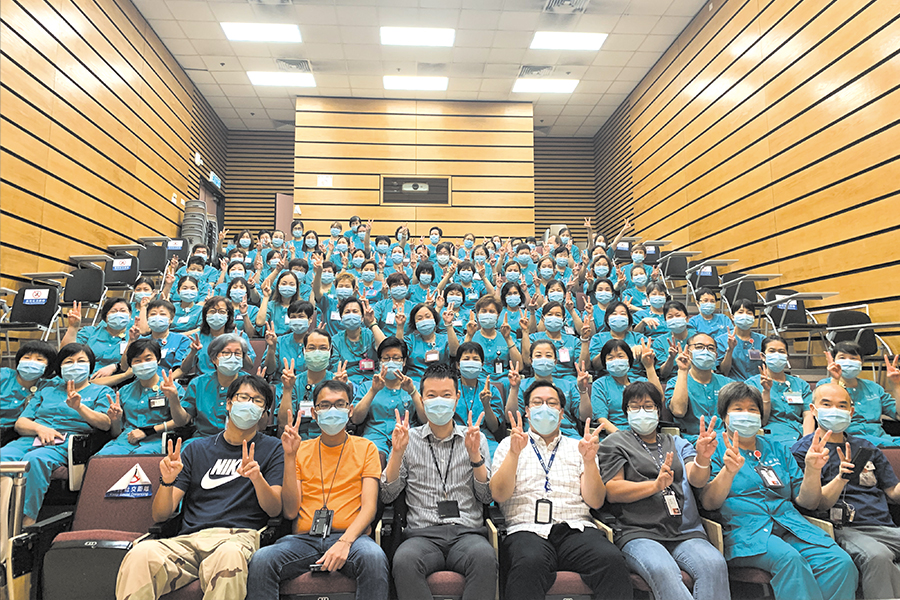
With everyone working relentlessly together, the hospital’s garbage mountain was reduced to manageable proportions within a week, to the relief of Man and Daphne. “Frontline medical staff worked very hard during the epidemic, it made me understand the importance of work behind the scenes,” Daphne reflects. “If we do our tasks well, our frontline colleagues can treat patients with peace of mind.” Man admitted that he felt helpless in the crisis at one stage but was grateful for the hard work of his colleagues who worked into the night to clear the waste. “The epidemic brought my colleagues together. The challenges helped equip ourselves, so that we are more confident to face any challenges ahead,” he says.