A pioneering hospital’s century of care for mothers and babies
The exceptional quality of care at the Tsan Yuk Hospital – which marks its centenary in 2022 – was so impressive that experts from around the world came to visit from the 1950s to the 1990s. Its outstanding obstetric services also won international acclaim.
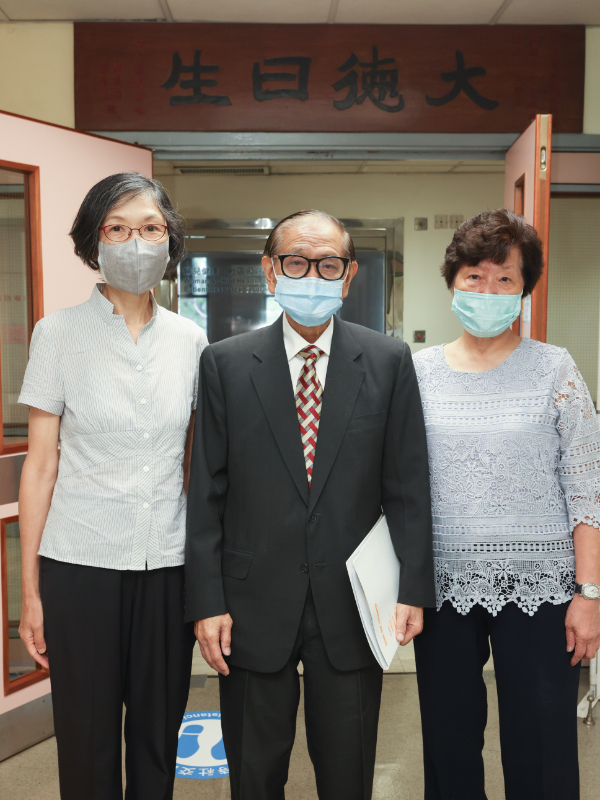
In this edition of HASLink, we have invited former Obstetrician and Gynaecologist Professor Lee Kin-hung, former midwife Fong Jick-har, and Honourary Consultant Obstetrician and Gynaecologist at Queen Mary Hospital and Tsan Yuk Hospital Dr Lee Chi-peng to reflect on the hospital’s landmark anniversary.
In this edition of HASLink, we have invited former Obstetrician and Gynaecologist Professor Lee Kin-hung, former midwife Fong Jick-har, and Honourary Consultant Obstetrician and Gynaecologist at Queen Mary Hospital and Tsan Yuk Hospital Dr Lee Chi-peng to reflect on the hospital’s landmark anniversary.
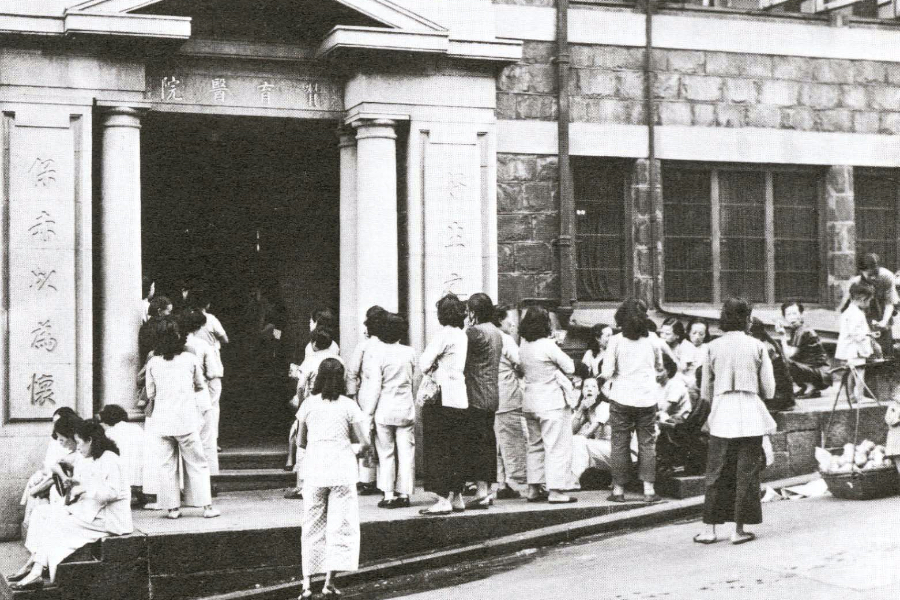
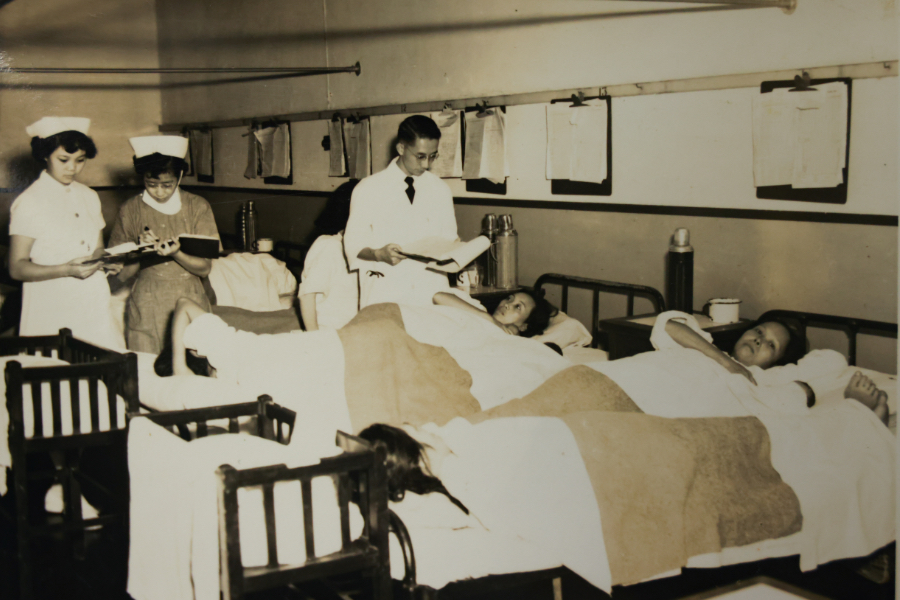
The hospital opened in Western Street in Sai Ying Pun in 1922 before relocating to a seven-storey building with 200 patient beds and dedicated quarters for midwives and doctors in Hospital Road in 1955 to deal with the post-war baby boom in Hong Kong. At its new site, the hospital quickly found itself struggling to keep up with rapidly-rising demand. The number of pregnant women admitted increased from 6,984 in 1955 to 10,865 in 1957. From 1958, therefore only women categorised as high risk – such as the chronically ill or those having their first child or who had previously had five or more children – were admitted.
Professor Lee Kin-hung, now aged 86, worked at the hospital from 1957 till 1975 and recalled how it captured international attention during his early days there. “At that time, the hospital had three training purposes – to provide training to midwives, to provide internship opportunities to medical students, and to offer obstetricians and gynaecologists specialist training,” he says.
In 1950s, the infant mortality rates in Hong Kong were as low as around 36 per 1,000 births, catching the attention of the Royal College of Obstetricians and Gynaecologists in Britain, which later sent its lecturer Dr AM Thomson to stay in the hospital for six weeks in order to examine its patient records for a full year. “Dr AM Thomson found the statistics were accurate and the standards of the hospital were comparable to those in Britain,” Professor Lee recalls. “This conclusion was published in a medical journal, and that attracted many other overseas experts to visit the hospital.”
Professor Lee Kin-hung, now aged 86, worked at the hospital from 1957 till 1975 and recalled how it captured international attention during his early days there. “At that time, the hospital had three training purposes – to provide training to midwives, to provide internship opportunities to medical students, and to offer obstetricians and gynaecologists specialist training,” he says.
In 1950s, the infant mortality rates in Hong Kong were as low as around 36 per 1,000 births, catching the attention of the Royal College of Obstetricians and Gynaecologists in Britain, which later sent its lecturer Dr AM Thomson to stay in the hospital for six weeks in order to examine its patient records for a full year. “Dr AM Thomson found the statistics were accurate and the standards of the hospital were comparable to those in Britain,” Professor Lee recalls. “This conclusion was published in a medical journal, and that attracted many other overseas experts to visit the hospital.”
Valuable lessons of round-the-clock care
Fong Jick-har studied to become a midwife at the hospital and worked there for 34 years until her retirement in 1994. She recalls the incredible pressure as a midwife student. “It’s the most unforgettable to stay in the hospital for a whole month without going home. When the patients were admitted, we promptly took them to a room on the first floor where we would conduct examinations and help them give birth and take care of them until the mother and baby were ready to be discharged.”
The month in the hospital without a break was very tough but Fong says she learnt a great deal from doctors including how to treat different types of wounds, stitching techniques and general medical knowledge. The intensive month-long stints for students eventually ended in 1964 because of complaints from midwives’ parents.
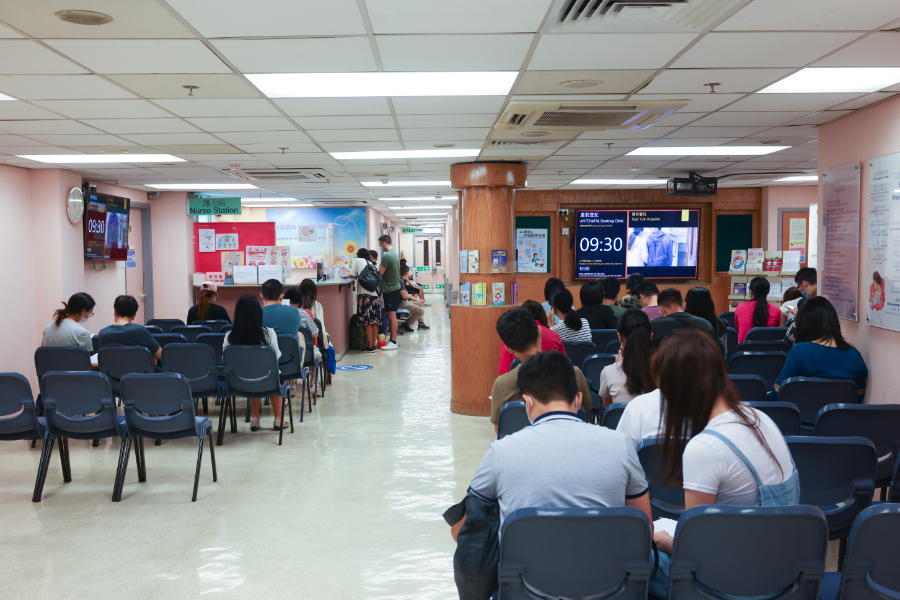
As medical services developed and became more sophisticated, Dr Lee Chi-peng explains, the delivery and in-patient services in the hospital were switched to Queen Mary Hospital in 2001. Today, nearly 100 years after it first opened its doors, Tsan Yuk Hospital is still responsible for first obstetric examinations with follow-up appointments triaged to Queen Mary Hospital or Maternal Child Health Centres. The hospital also carries out fetal ultrasound examinations and antenatal diagnosis, as well as providing family medicine, primary care, and psychiatric services.
The month in the hospital without a break was very tough but Fong says she learnt a great deal from doctors including how to treat different types of wounds, stitching techniques and general medical knowledge. The intensive month-long stints for students eventually ended in 1964 because of complaints from midwives’ parents.
As medical services developed and became more sophisticated, Dr Lee Chi-peng explains, the delivery and in-patient services in the hospital were switched to Queen Mary Hospital in 2001. Today, nearly 100 years after it first opened its doors, Tsan Yuk Hospital is still responsible for first obstetric examinations with follow-up appointments triaged to Queen Mary Hospital or Maternal Child Health Centres. The hospital also carries out fetal ultrasound examinations and antenatal diagnosis, as well as providing family medicine, primary care, and psychiatric services.