Facts about Tung Wah Hospital
Tung Wah and Shennong
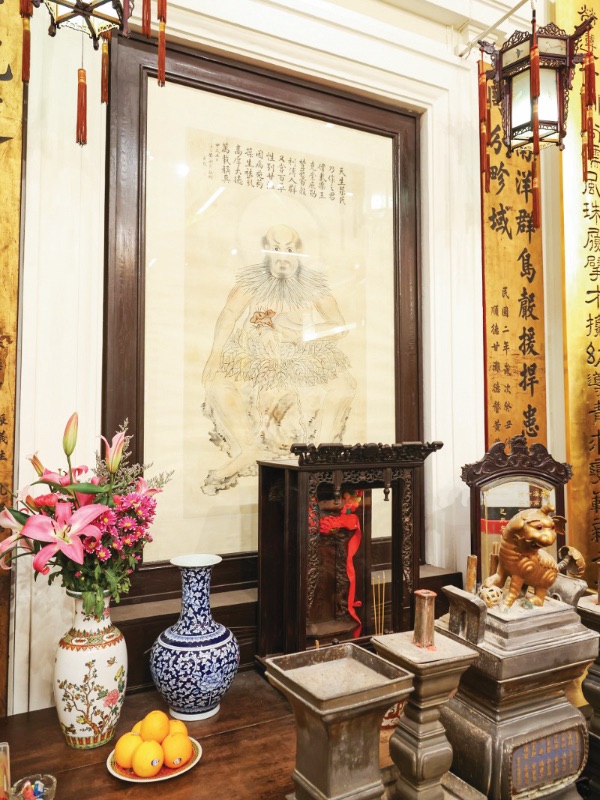
Tung Wah Hospital (TWH) was never a place of worship. However, in the 19th century, it was rare for Chinese people to go to a hospital for treatment. To make patients and employees feel at ease, the hospital was dedicated to Shennong, a pioneer of traditional medicine whose legacy is care for the sick, the elderly and people in peril. Nowadays, tribute is still paid to Shennong by Tung Wah Board members and senior staff in the Assembly Hall at the hospital on his birthday, 28 April of the lunar calendar, or during board inaugurations and other important events.
The conquest of smallpox
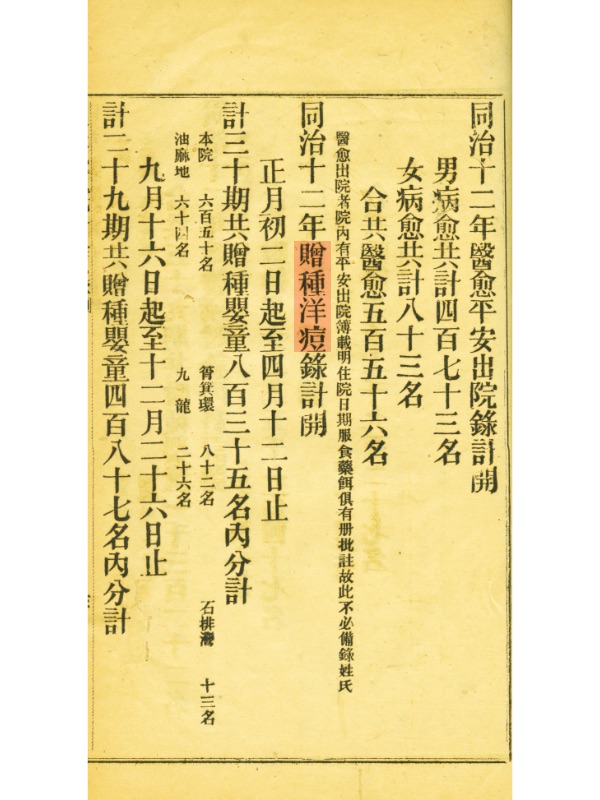
Zhengxinlu (annual report) of TWH shows that TWH provided vaccinations against smallpox in its early years. Residents from across the city received vaccinations during the early spring and autumn. The injections were given at the cooler, drier times of year as it provided a better environment for scarring from smallpox to recover after vaccinations.
Helping disaster victims
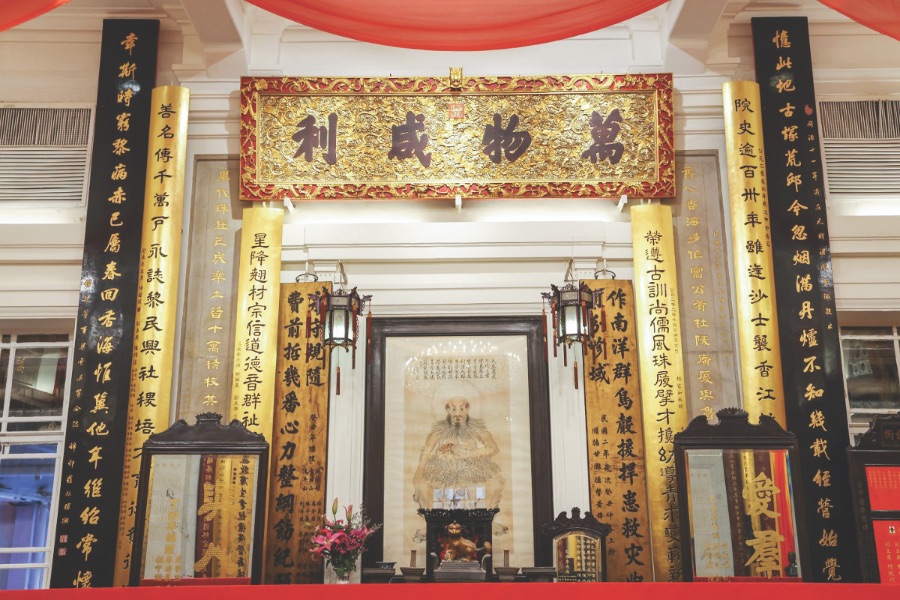
The plaque in the Assembly Hall was bestowed upon TWH by the Guangxu Emperor of the Qing Dynasty, in 1885. In that year, heavy rains caused extensive flooding in the Pearl River Delta and claimed the lives of more than 200,000 people. TWH raised HK$100,000 for disaster relief and the plaque bestowed in gratitude for the generous donations. The plaque is surrounded by couplets and inscribed tablets, bearing testimony to the hospital’s long history of helping the less fortunate wherever they are.
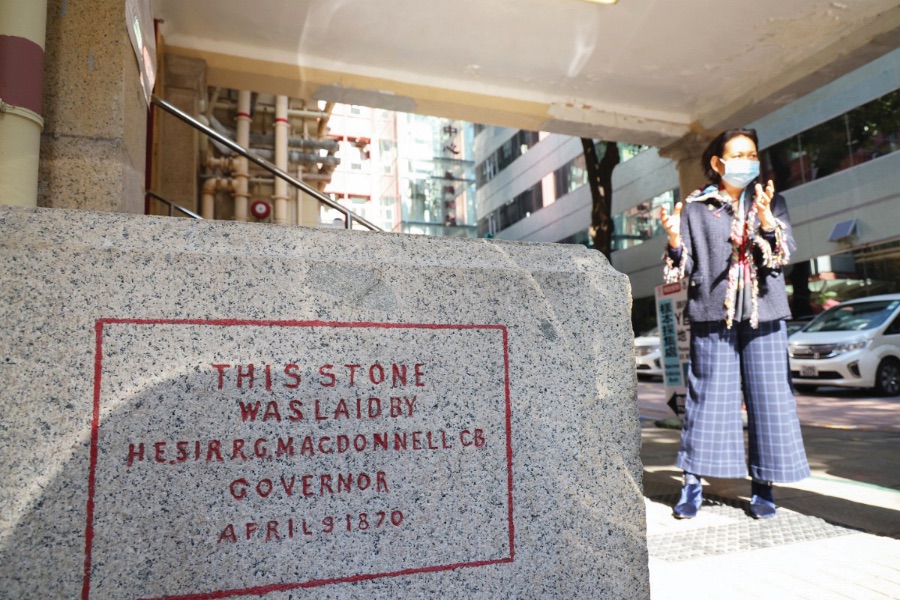
Managing the Man Mo Temple by the hospital
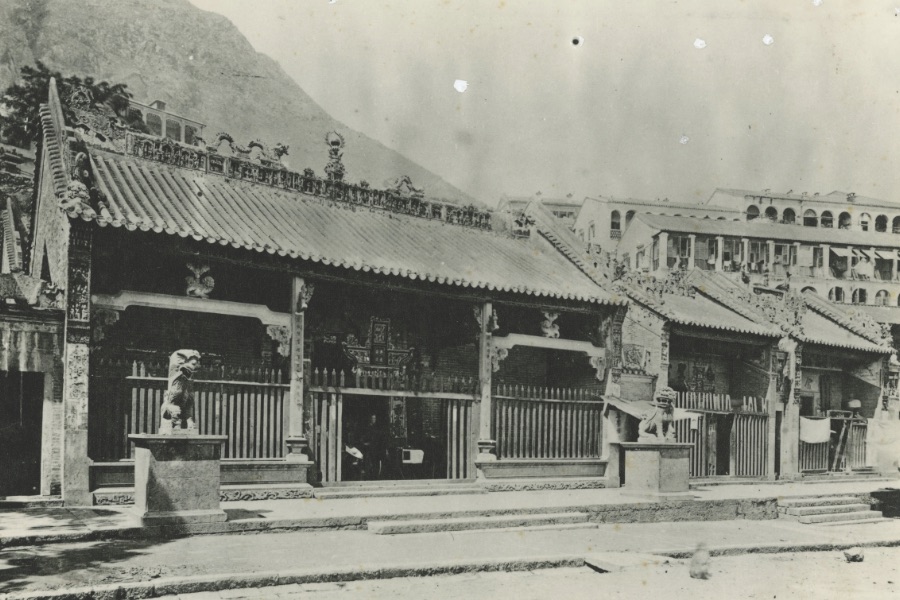
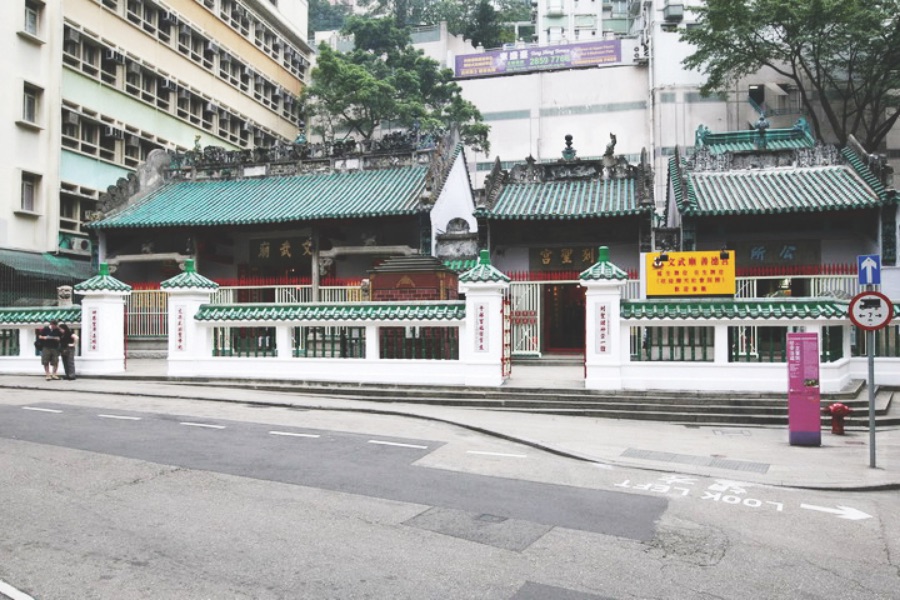
The Man Mo Temple on Hollywood Road, Sheung Wan, dedicated to civil god Man Cheong and martial god Kwan Tai, was managed by Chinese community leaders. In 1908, the Government enacted the Man Mo Temple Ordinance and the temple was officially handed over to the hospital.
A cemetery beside the hospital
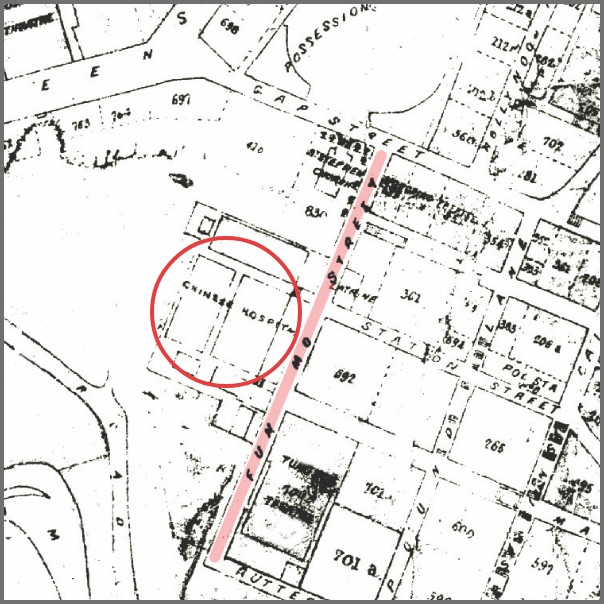
TWH is located in Po Yan Street today but before the establishment of the hospital, it had a more sinister name – Fun Mo Street, which translates as cemeteries. The reason for the name is that the street was set against a hillside where Chinese people buried their ancestors. A century and a half on, the graves have been replaced by trendy galleries, coffee shops, and fashion boutiques, while the hillside is a popular area for tourists and locals to take a stroll.